
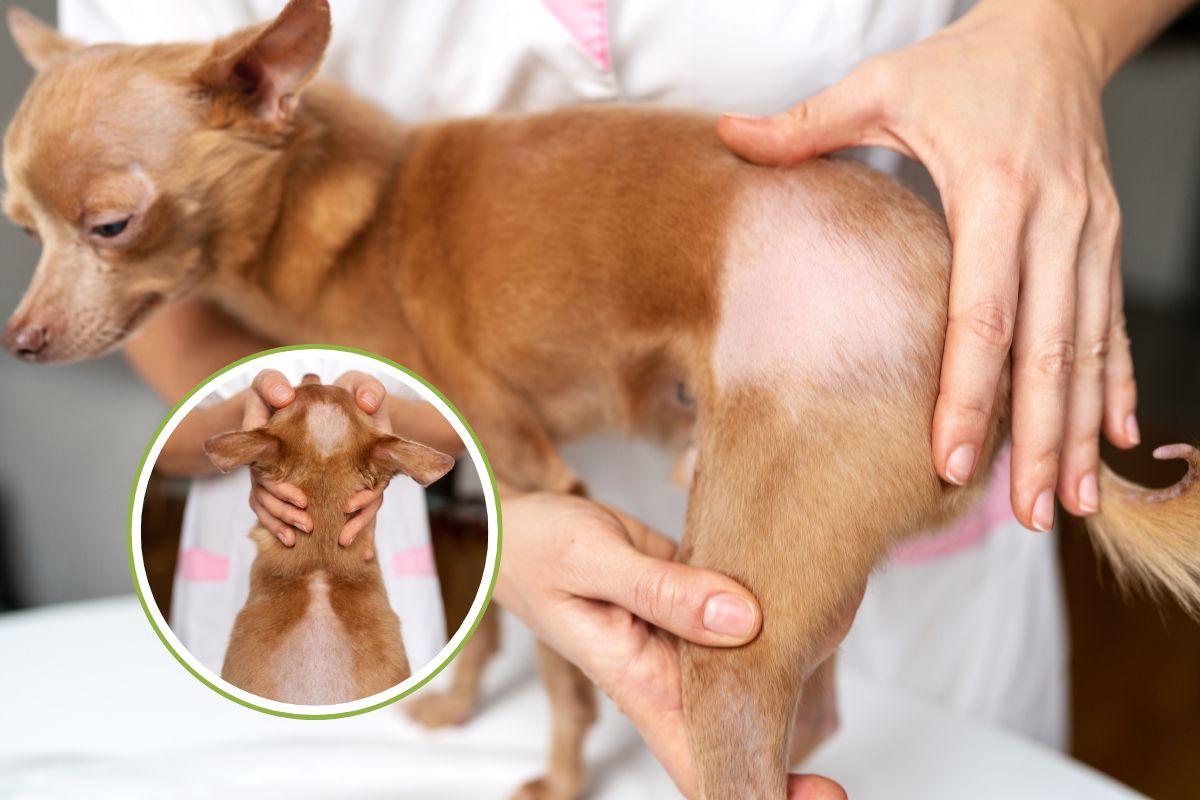
Finding bald patches on your dog can be alarming—especially when the skin underneath looks red, flaky, or irritated. The truth is, patchy fur loss (alopecia) is common in dogs, but the causes range from minor to serious.
Below is a full breakdown to help you understand why dogs lose fur in patches, what signs to look for, and when you should contact a veterinarian.
1️⃣ Allergies (Food, Environment, or Flea Bites)
Allergies are the #1 cause of patchy hair loss in dogs.
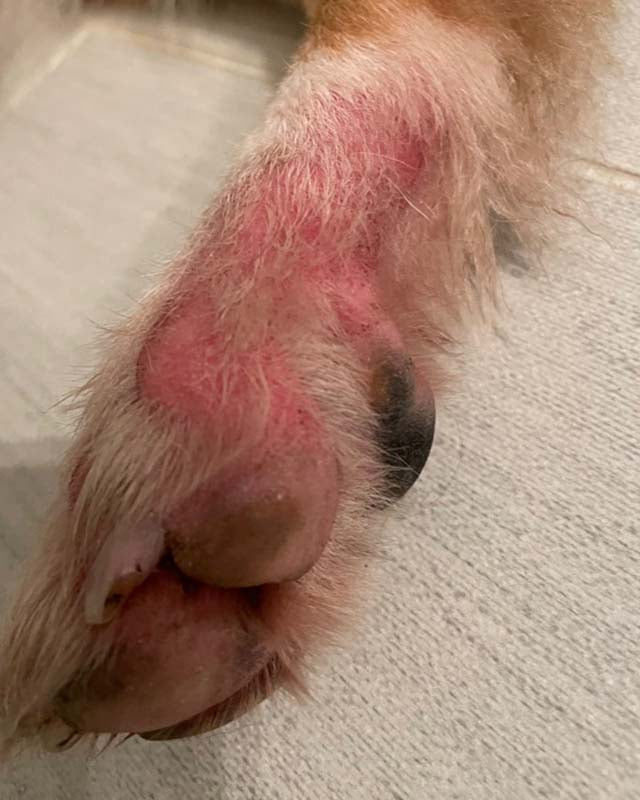
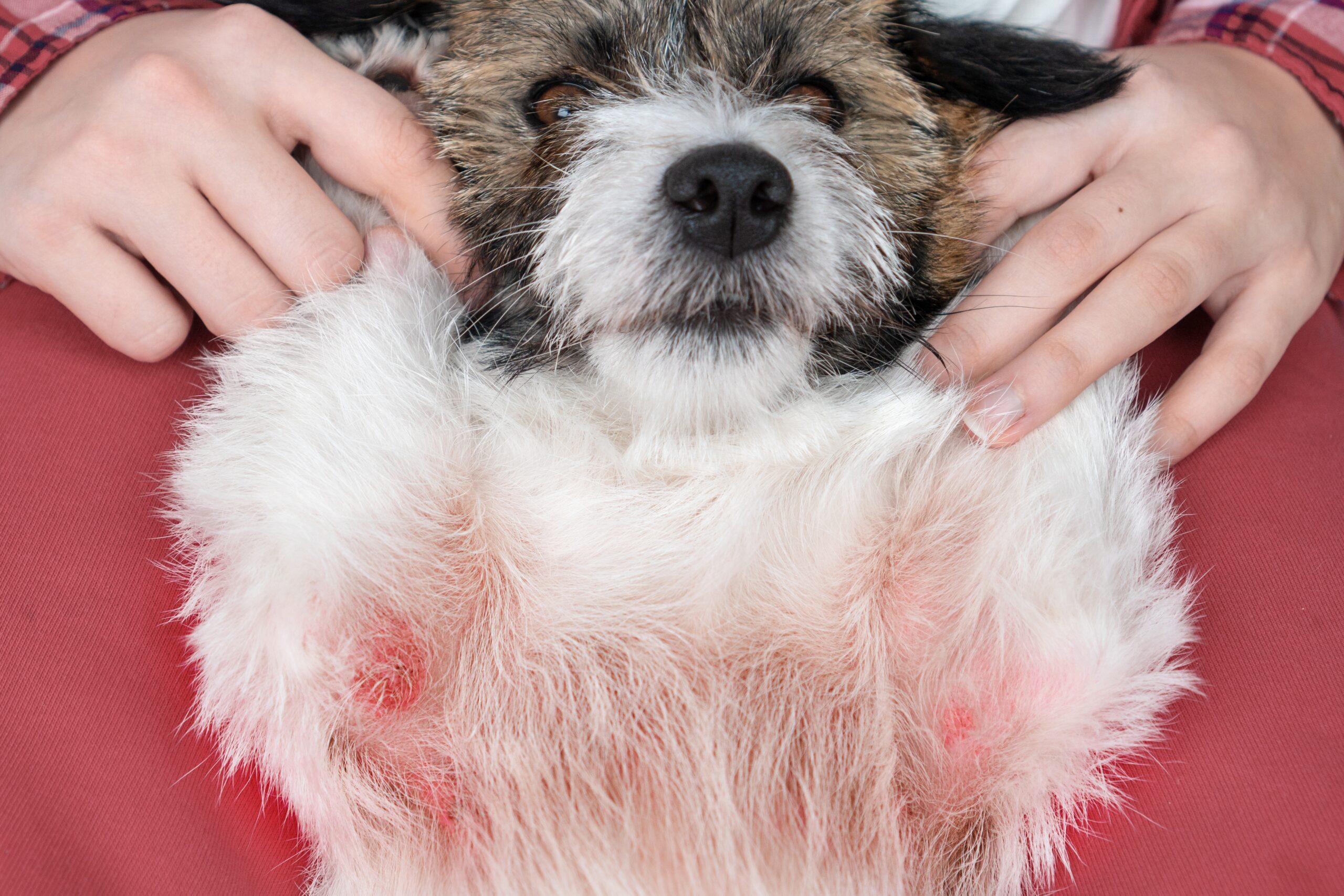
Common allergy triggers:
• Grass, pollen, dust mites
• Certain proteins (chicken, beef, dairy)
• Flea bites (even ONE bite can cause fur loss!)
Symptoms:
• Itching, scratching, licking
• Red or inflamed skin
• Hair loss in circular or irregular patches
2️⃣ Parasites (Mites, Fleas, Ticks)
Skin parasites can cause intense itching and rapid fur loss.
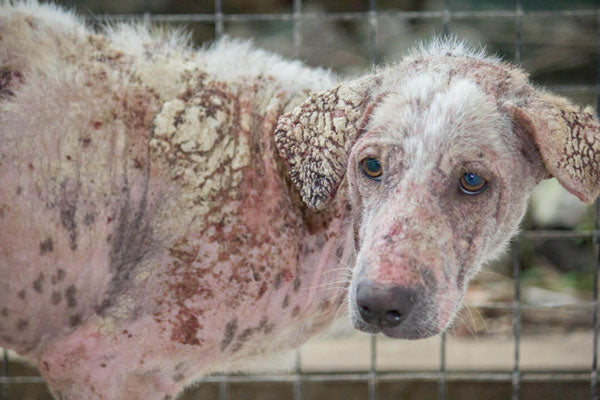

Common parasite-related conditions:
• Sarcoptic mange (scabies)
• Demodectic mange
• Flea allergy dermatitis
Signs:
• Crusty or scabby bald patches
• Red, irritated skin
• Constant scratching
3️⃣ Fungal or Bacterial Infections (Ringworm)
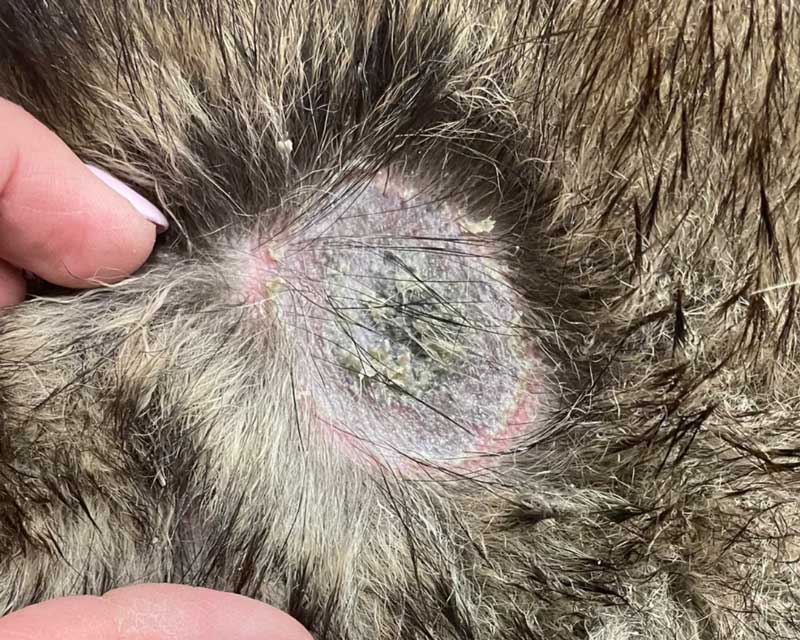
Ringworm causes perfect circular bald patches with flaky skin.

Symptoms:
• Round areas of fur loss
• Scaly or crusty edges
• Mild itching or none at all
Ringworm is contagious to humans and pets.
4️⃣ Hormonal Disorders (Thyroid, Cushing’s Disease)
When hormones become imbalanced, the skin and coat suffer.


Signs:
• Symmetrical fur loss
• Thin skin
• Darkened patches
• Weight changes
• Low energy
These conditions require blood tests.
5️⃣ Stress, Anxiety, or Overgrooming
Dogs may lick or chew areas due to emotional stress.


Triggers:
• Separation anxiety
• Boredom
• Nervous behaviors
Often appears on the legs, paws, or flank.
📌 When Should You See a Vet?
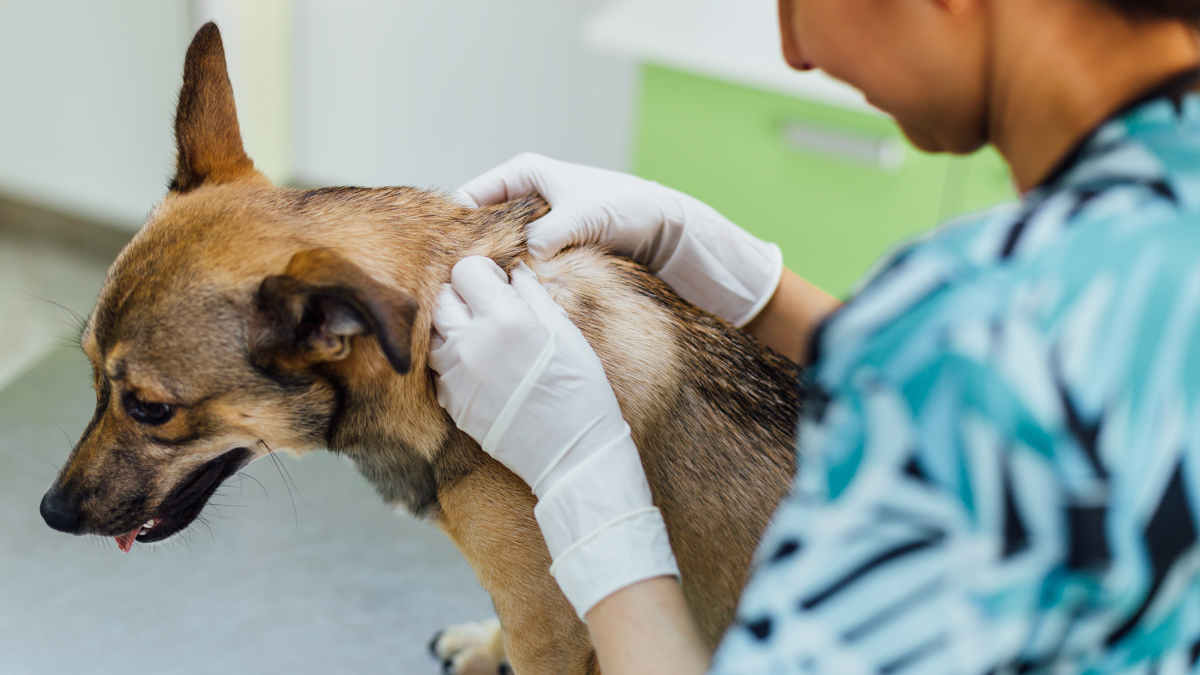
Seek veterinary help if fur loss is accompanied by:
✔ Red, inflamed, or crusty skin
✔ Constant scratching or pain
✔ Sudden or rapid spreading
✔ Bad odor
✔ Oozing or bleeding
✔ Lethargy or behavior changes
Early diagnosis prevents infection and speeds recovery.
💡 Final Thoughts
Patchy fur loss is not always a medical emergency, but it’s definitely something to monitor closely.
From allergies to parasites to hormonal problems, the causes vary widely—and the right treatment depends on identifying what’s behind the hair loss.
With timely care, most dogs make a full recovery and regrow their coat beautifully.