
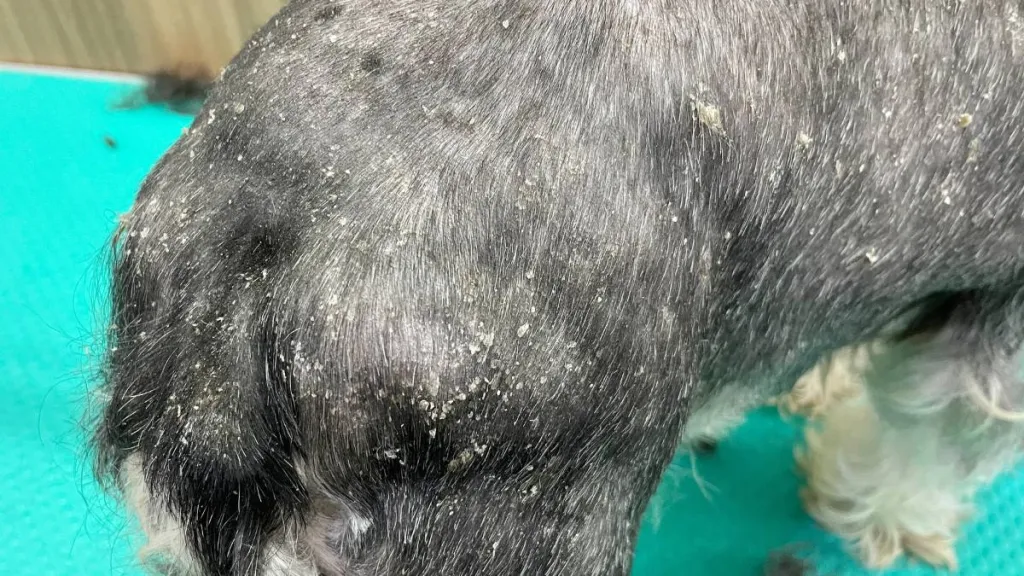
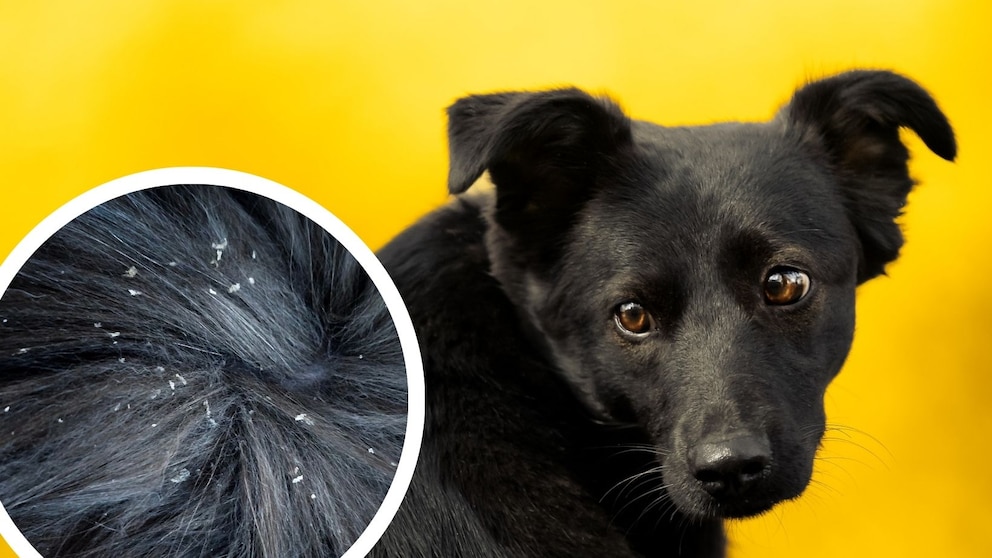
Does your dog’s coat look dusty, flaky, or covered in little white specks?
Just like humans, dogs can get dandruff—known medically as canine seborrhea. While mild flaking is common, excess dandruff is usually a sign of an underlying issue.
Here’s a complete breakdown of the most common causes and what you can do to help.
1️⃣ Dry Skin (Most Common Cause)
Dry environments, cold weather, or frequent bathing can strip your dog’s natural oils.

Signs:
• White flakes on back or rump
• Dull coat
• Mild itching
Why it happens:
• Low humidity
• Overbathing
• Lack of essential fatty acids
2️⃣ Allergies (Food or Environmental)
Allergies often irritate the skin, causing inflammation and flaking.
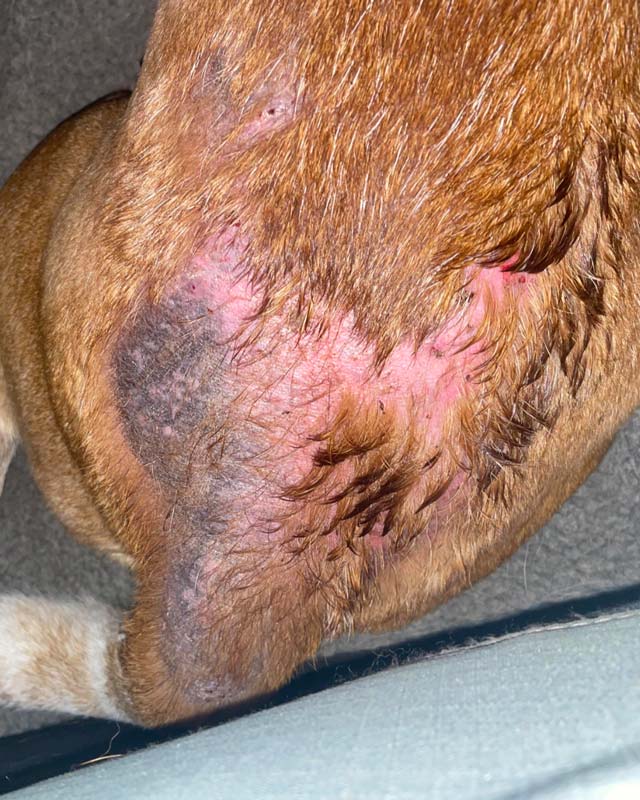
Common triggers:
• Grass, pollen, dust mites
• Chicken, beef, dairy
• Grooming products
Symptoms:
• Flakes + redness
• Itching, paw licking
• Ear problems
3️⃣ Parasites (Mites, Cheyletiella “Walking Dandruff”)
Yes, some mites actually look like dandruff and move.
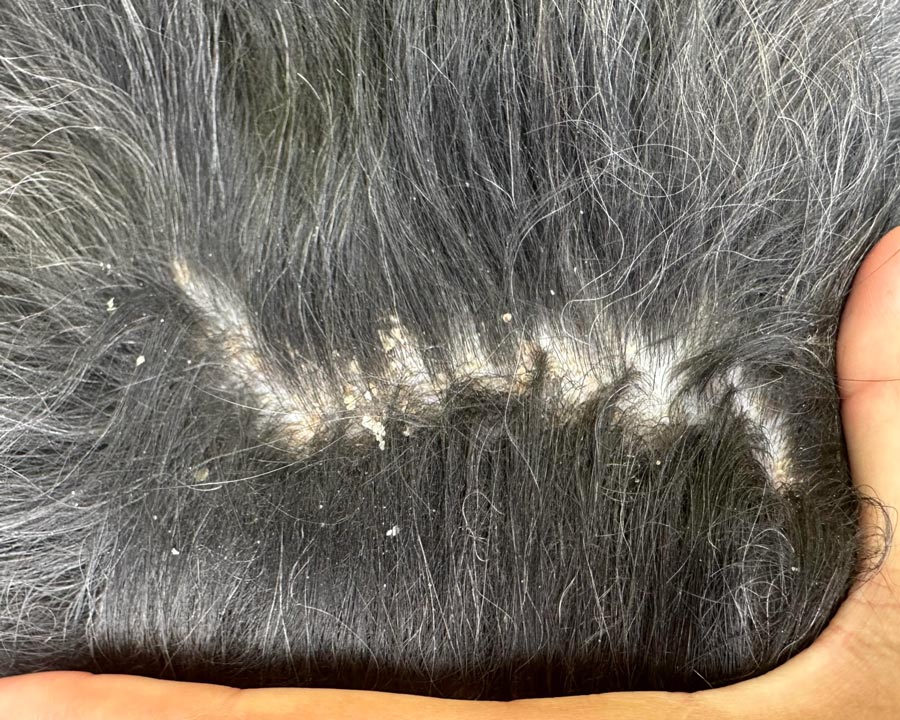
Signs:
• Excess dandruff along back
• Intense itching
• Mites sometimes visible as moving white specks
Requires vet treatment.
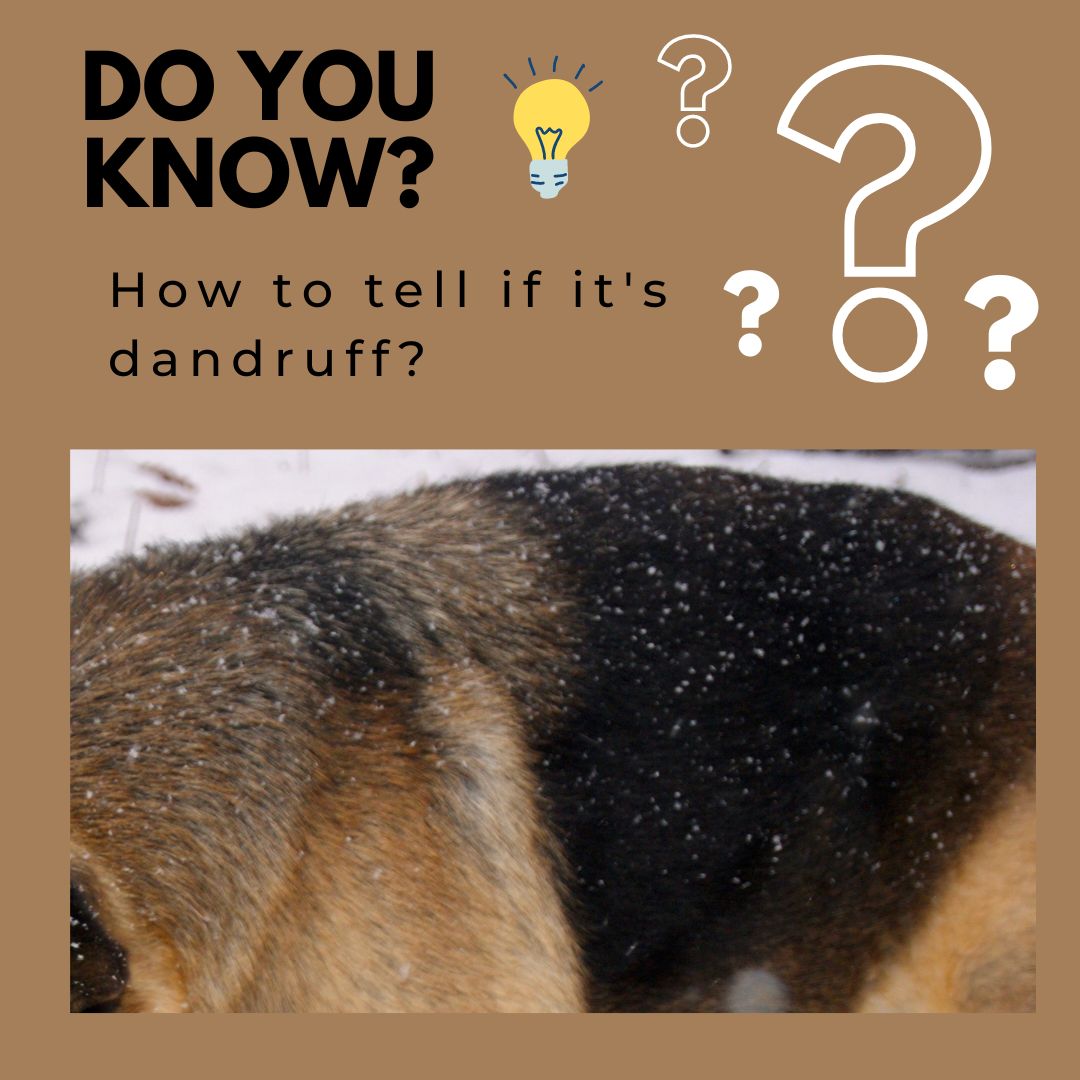
4️⃣ Poor Diet or Nutrient Deficiency
Low-quality diets lacking omega-3 and omega-6 fatty acids lead to dry, flaky coats.

Fix:
• Improve food quality
• Add fish oil or salmon oil
5️⃣ Skin Infections (Yeast or Bacterial)
Infections cause inflammation → skin flakes excessively.
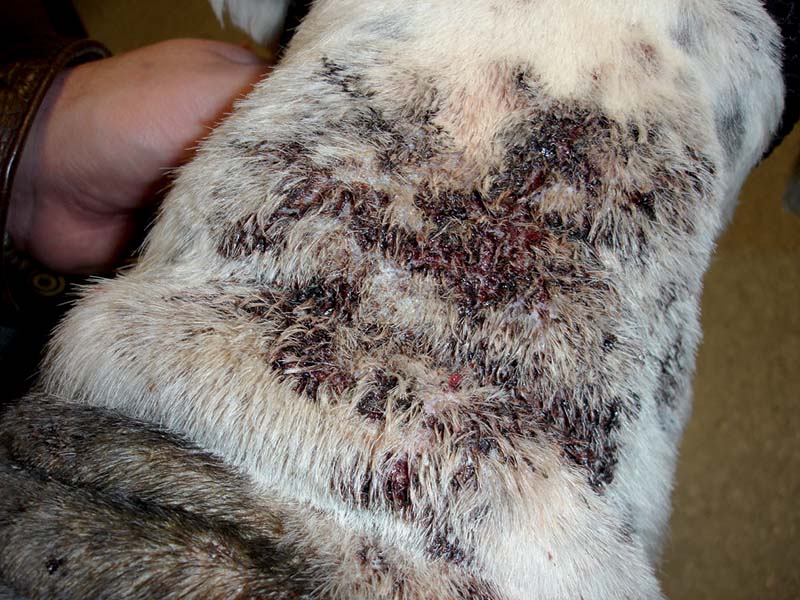
Look for:
• Odor
• Greasy patches
• Red or darkened skin
• Clumps of dandruff
These need vet treatment.
6️⃣ Hormonal Disorders (Thyroid or Cushing’s)
Hormonal imbalances disrupt oil production and coat health.


Signs:
• Flaky skin
• Weight gain or muscle loss
• Low energy
• Symmetrical hair thinning
7️⃣ Stress or Anxiety
Stress reduces immune function + increases shedding → more flakes.
📌 When Should You See a Vet?
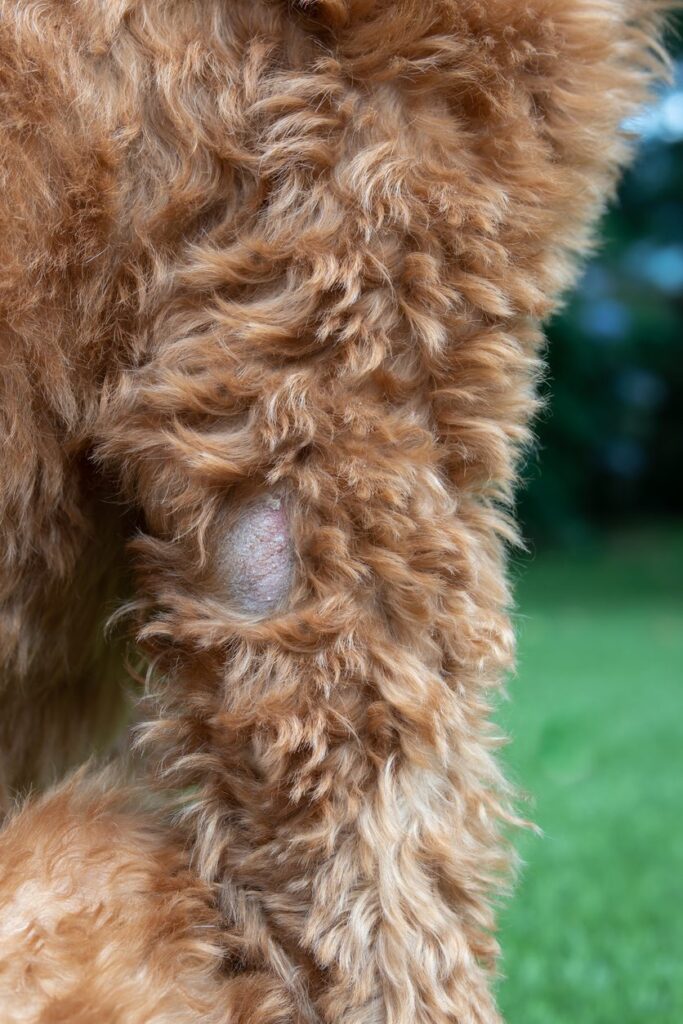
Seek veterinary care if:
✔ Dandruff is spreading
✔ There is odor, redness, or hair loss
✔ The dog is scratching constantly
✔ You see moving “flakes” (possible mites)
✔ Skin looks infected
💡 Treating Dandruff at Home
✔ Omega-3 supplements
✔ Hypoallergenic shampoo
✔ Better-quality diet
✔ Humidifier in dry climates
✔ Regular brushing to distribute oils
If dandruff continues → always rule out allergies, mites, or hormonal issues.