
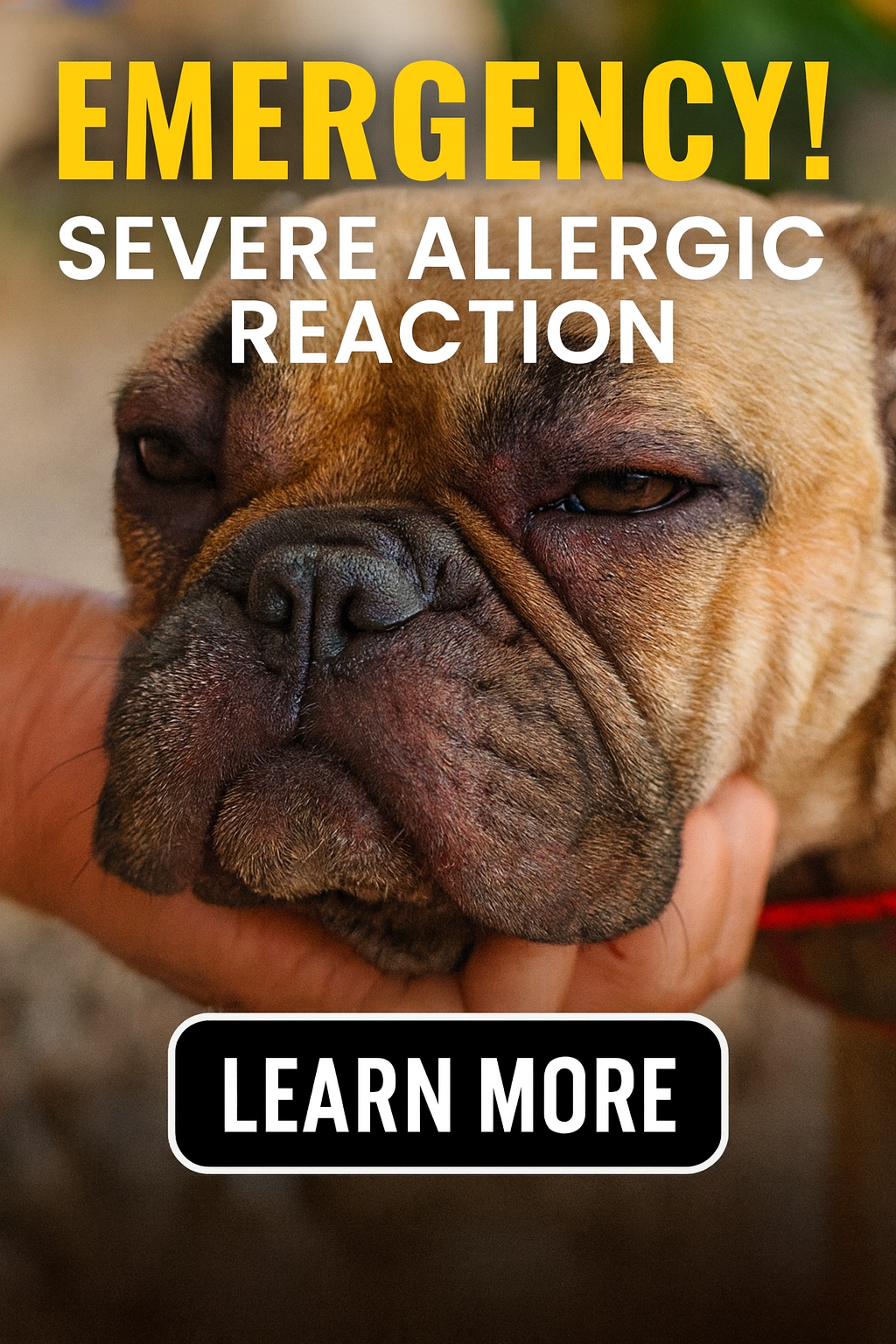
My Dog Breaks Out in Hives Randomly — What Does It Mean?
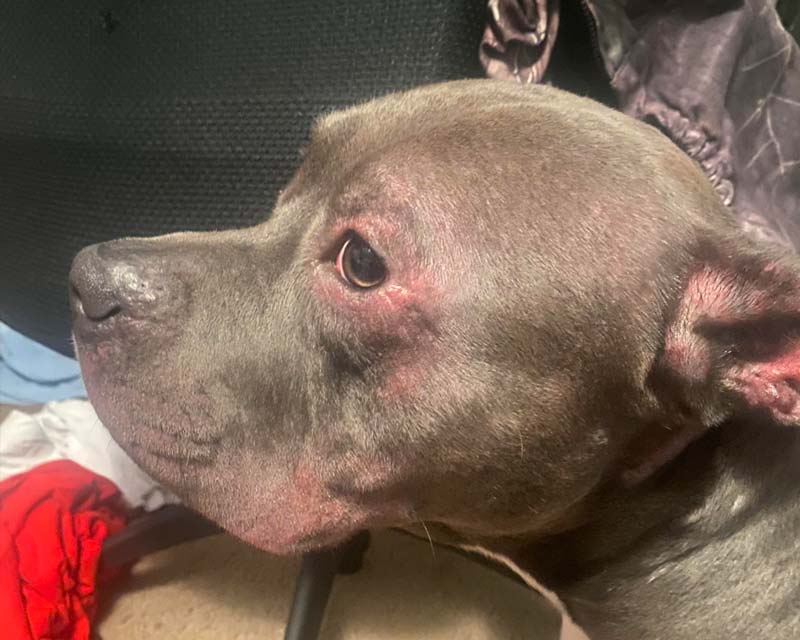
Hives in dogs — also called urticaria — appear as raised, itchy welts on the skin. They can pop up within minutes and disappear just as quickly.
While sudden hives often look frightening, most cases are caused by allergies, though some situations require urgent attention.
Below are the most common reasons dogs break out in random hives and how to know when to worry.
1️⃣ Environmental Allergies (Most Common Cause of Random Hives)

Dogs can react instantly to:
• Grass
• Pollen
• Mold spores
• Dust mites
• Outdoor plants
Signs:
✔ Hives appear after walks
✔ Swelling around face or eyes
✔ Itchy skin or paw licking
✔ Seasonal patterns
Environmental hives often fade within 30–60 minutes.
2️⃣ Insect Stings or Bites (Very Sudden Reactions)
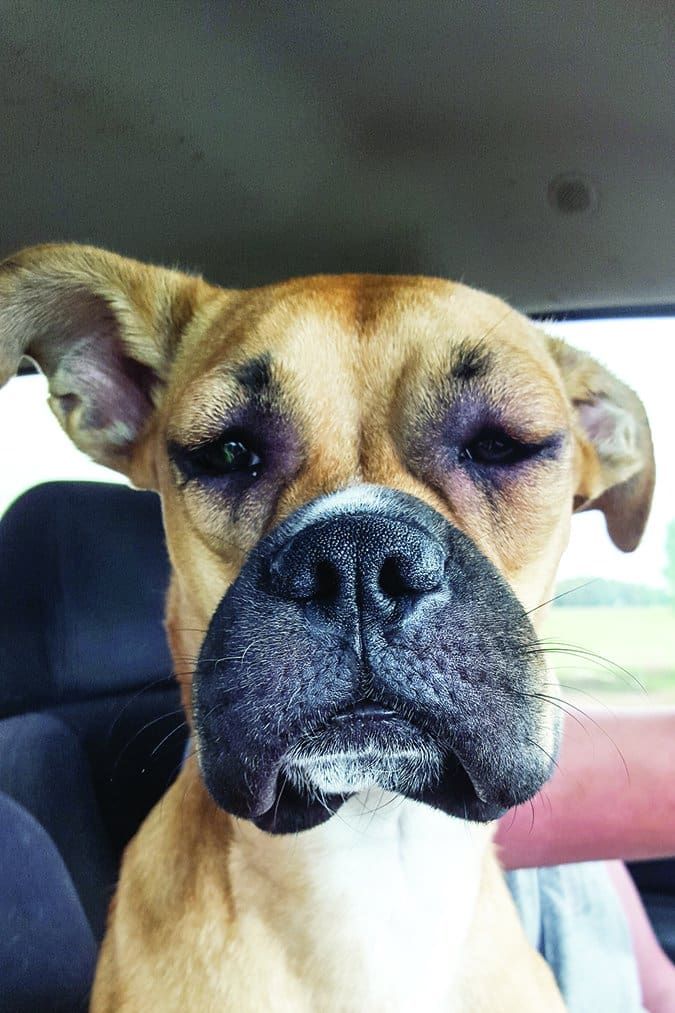

Bees, wasps, spiders, fire ants, and mosquitos can trigger sudden hives.
Clues:
• One-sided swelling
• Dog yelped or pawed suddenly
• Rapid appearance of hives
• Sometimes face swelling too
Insect-triggered hives can turn serious if swelling spreads.
3️⃣ Food Allergies or New Treats

Food-related hives may appear:
• Minutes to hours after eating
• After switching kibble
• After trying new treats
Frequent triggers include:
🐔 Chicken
🐄 Beef
🌾 Wheat
🐟 Fish
🥚 Eggs
If hives flare after meals, a food elimination trial may be needed.
4️⃣ Medication or Vaccine Reactions

Some dogs react to:
• Antibiotics
• Pain medications
• Vaccines
• Flea & tick preventatives
These reactions typically start within a few hours.
Emergency signs:
❗ Vomiting
❗ Facial swelling
❗ Difficulty breathing
Prompt vet care is essential if these occur.
5️⃣ Contact Dermatitis (Shampoos, Cleaners, Surfaces)

Direct skin irritation can happen when a dog touches:
• Strong cleaning chemicals
• New carpet or bedding
• Laundry detergents
• Grooming products
• Certain plants
Hives from contact irritants usually appear on the belly or chest.
6️⃣ Stress or Anxiety-Triggered Reactions (Less Common)

Some dogs develop stress-induced immune responses.
Triggers include:
• Vet visits
• Car rides
• Loud noises
• New environments
These hives usually fade once the dog calms down.
📌 When Are Hives an Emergency?
Seek immediate veterinary care if you see:
❗ Facial swelling (eyes, muzzle, lips)
❗ Vomiting or diarrhea
❗ Trouble breathing
❗ Hives spreading rapidly
❗ Collapse or weakness
These may indicate anaphylaxis, a life-threatening allergic reaction.
📌 What You Can Do at Home (Mild Cases)
✔ Cool compress on itchy areas
✔ Remove potential triggers (wipe paws/belly after walks)
✔ Avoid new foods until reaction source is found
✔ Use vet-approved antihistamines (ONLY with dosage guidance)
If hives occur repeatedly, your dog likely has an underlying allergy that needs diagnosis.