

Introduction: Anxiety as the Silent Gateway to Addiction


Anxiety is one of the most common mental health conditions worldwide, yet it is also one of the most misunderstood. Many people live with constant worry, fear, racing thoughts, or physical tension without ever realizing how deeply it affects their behavior. When anxiety becomes chronic, it doesn’t just cause emotional discomfort — it reshapes the brain’s priorities.
For someone trapped in anxiety, relief becomes urgent. The mind is no longer searching for happiness, growth, or meaning — it is searching for silence. Substances and addictive behaviors offer exactly that: temporary escape. Over time, this escape becomes a dependency, quietly transforming anxiety into addiction.
1. Anxiety


Anxiety activates the brain’s fight-or-flight system, designed to protect us from danger. When this system is constantly turned on, the body floods with stress hormones like cortisol and adrenaline. The nervous system rarely gets a chance to rest.
In this survival state:
-
The brain prioritizes short-term relief
-
Rational thinking becomes secondary
-
Emotional regulation weakens
Addictive substances and behaviors artificially shut down this alarm system — even if only briefly — making them extremely appealing to anxious individuals.
2. Dopamine: Why Anxiety Makes Addiction Feel So Powerful


Dopamine is the brain chemical responsible for motivation, pleasure, and relief. Anxiety lowers baseline dopamine levels, making everyday life feel exhausting, dull, or overwhelming.
When a substance or behavior suddenly boosts dopamine:
-
Anxiety fades temporarily.
-
The body relaxes
-
The mind experiences relief or control
The brain quickly remembers this shortcut. Over time, it begins to associate dopamine release only with the addictive behavior — reducing interest in healthy activities and increasing dependence.
3. Self-Medication: When Relief Becomes a Trap
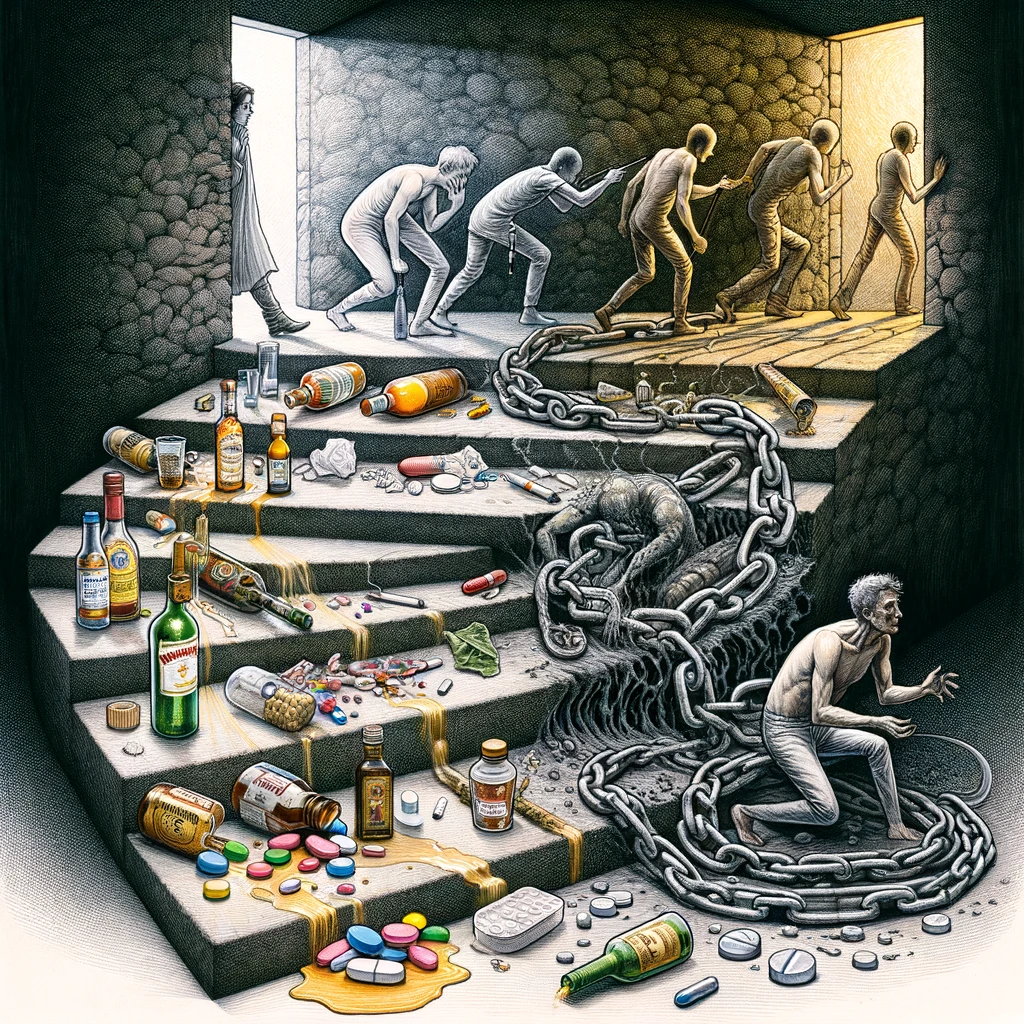
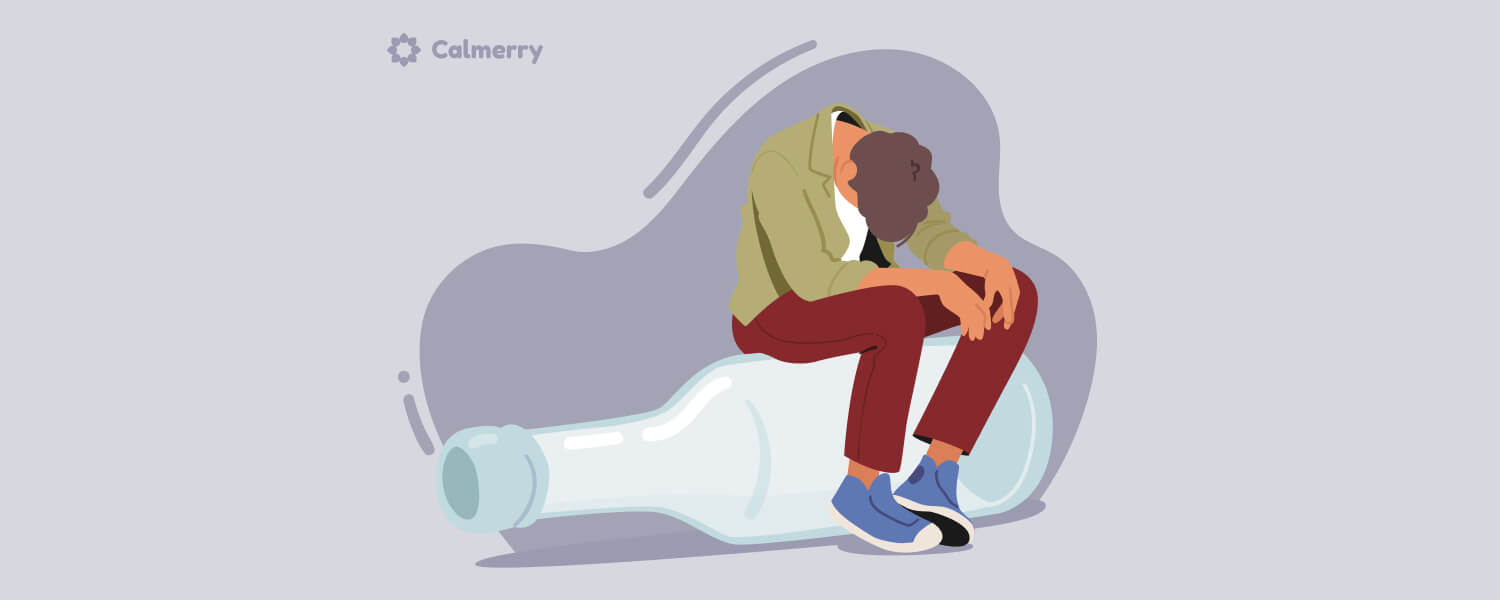
Most people with anxiety do not intend to become addicted. They are trying to cope.
Common self-medication patterns include:
-
Alcohol is okay.
-
Drugs to escape intrusive thoughts
-
Prescription misuse to numb emotional pain
-
Excessive scrolling or gaming to avoid stress
-
Gambling or shopping to feel temporary control
What starts as coping slowly replaces natural emotional regulation, making addiction feel necessary for daily functioning.
4. Anxiety Erodes Decision-Making and Self-Control

Chronic anxiety impairs the prefrontal cortex, the brain area responsible for judgment, impulse control, and long-term planning. When anxiety is high:
-
Cravings feel stronger
-
Consequences feel distant
-
“Just this once” becomes easier to justify
This neurological imbalance makes it harder to stop once an addictive behavior begins, accelerating the path from use to dependency.
5. Avoidance: The Core Link Between Anxiety and Addiction


Anxiety three
Instead of facing fear, substances provide:
-
Emotional numbness
-
Mental distraction
-
Temporary confidence
And
6. Trauma, Anxiety, and Increased Addiction Risk


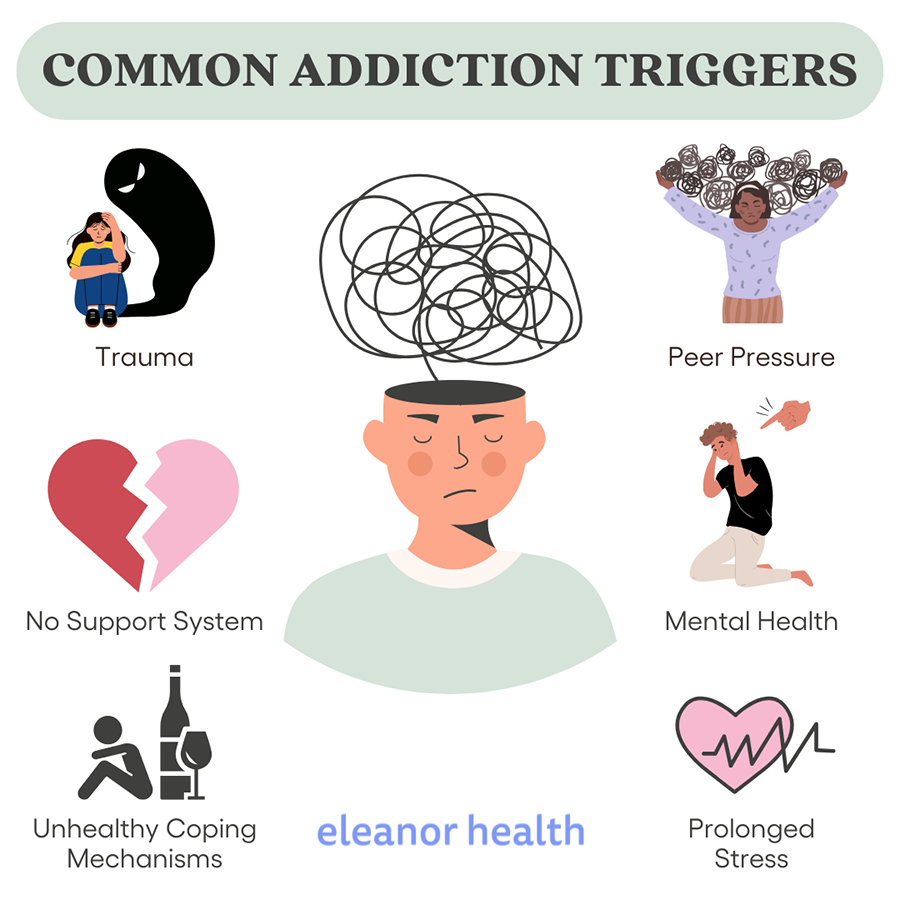
Many anxiety disorders are rooted in unresolved trauma. Trauma sensitizes the nervous system, making individuals more reactive to stress and emotional pain.
In
-
Stress feels overwhelming
-
Against
-
Safety feels temporary
Addiction becomes a false sense of control — a way to manage emotional intensity when internal tools are missing.
7. How Addiction Ultimately Worsens Anxiety
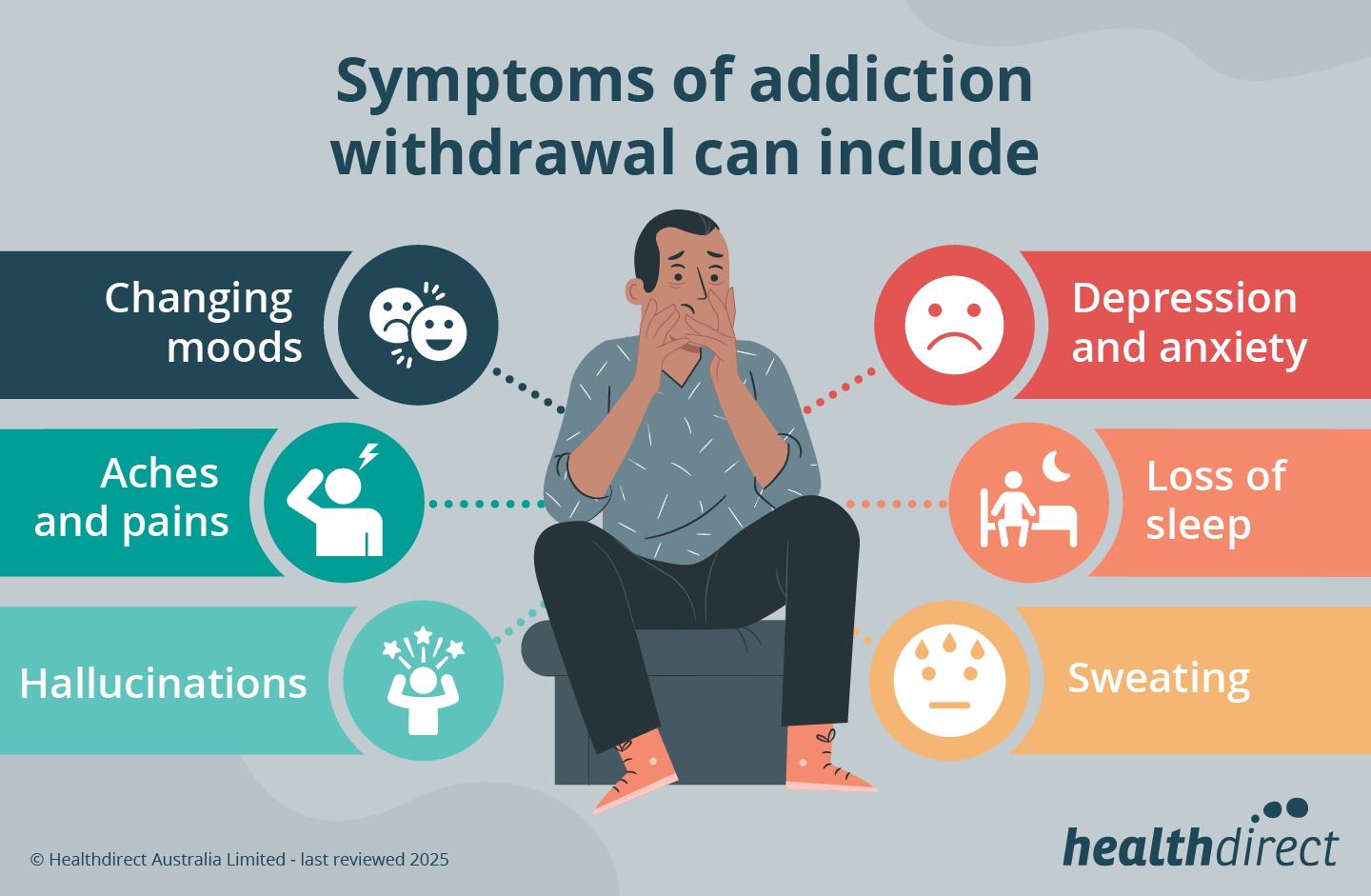
Although addiction begins as relief, it eventually amplifies anxiety:
-
Withdrawal symptoms increase panic and restlessness
-
Guil
-
Financial, social, and health consequences create new stressors
The person becomes trapped in a feedback loop where anxiety fuels addiction — and addiction fuels anxiety.
8. Social Isolation and Shame Intensify the Cycle


A
Fear of judgment prevents seeking help. Shame silences vulnerability. Isolation removes support — making substances feel like the only companion left.
This emotional loneliness significantly increases relapse risk and delays recovery.
9. Breaking the Anxiety–Addiction Connection
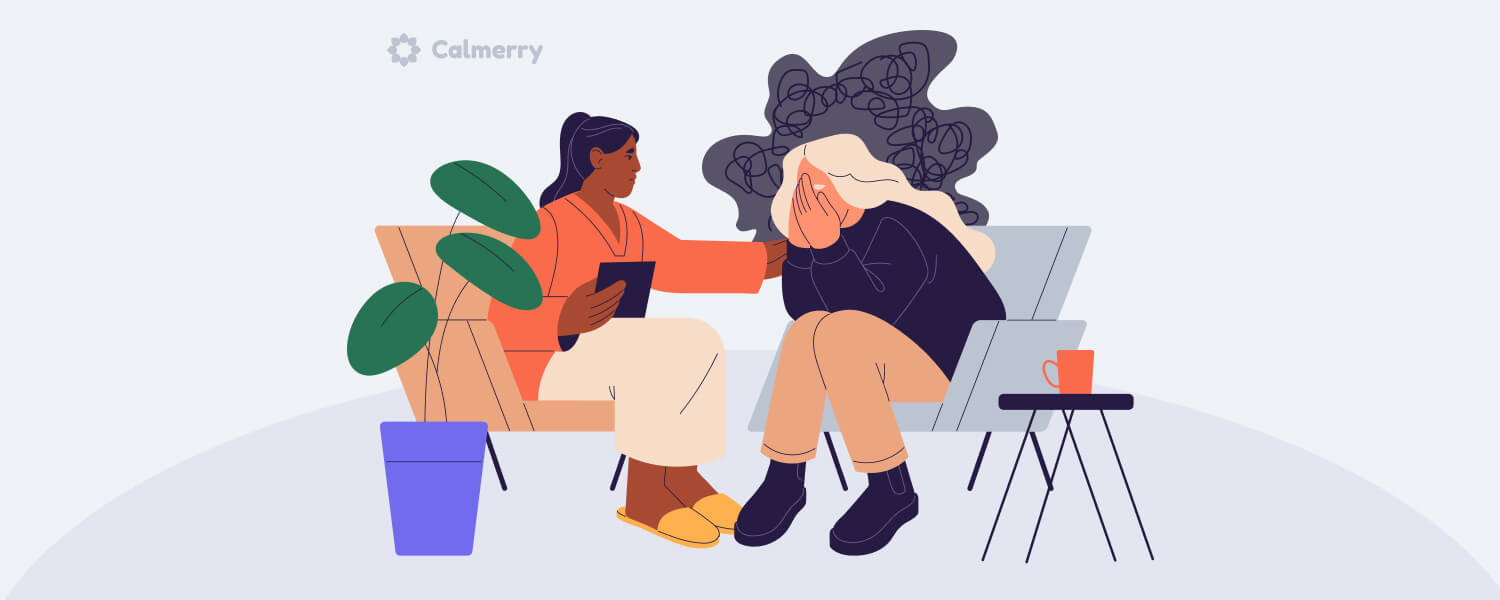
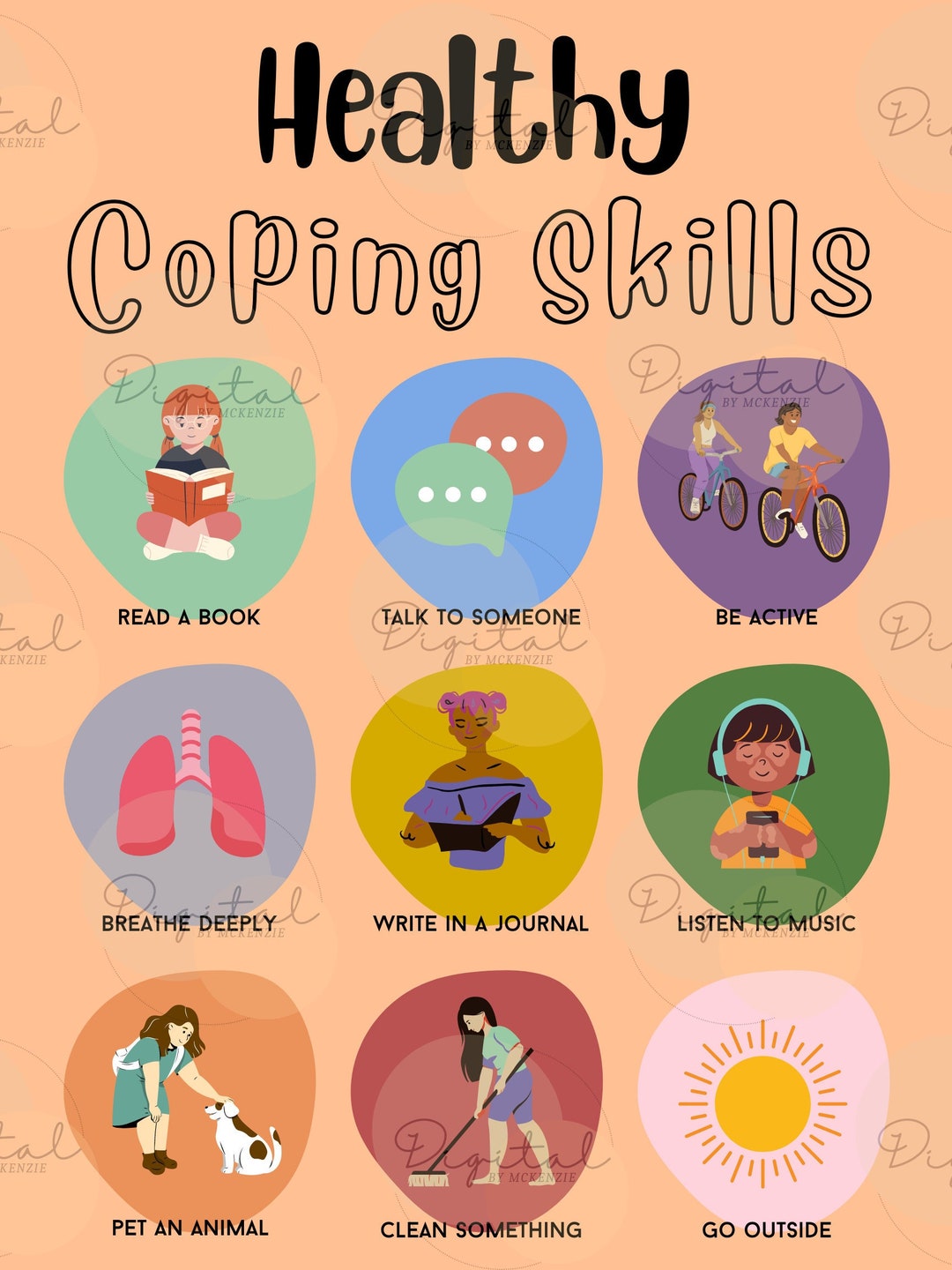
Recovery begins not by removing substances alone, but by treating anxiety at its source.
AND
-
Cognitive Behavioral Therapy (CBT)
-
Between
-
Mindfulness and nervous system regulation
-
Physical movement and sleep stabilization
-
Building emotional tolerance instead of avoidance
When anxiety becomes manageable, the need for escape weakens.
Conclusion

Anxiety increases the risk of addiction because the human brain is wired to seek relief from pain. Addiction is not a moral failure — it is a survival response gone wrong.
By understanding the deep connection between anxiety and addiction, we shift from blame to compassion, from punishment to healing. When anxiety is treated with care and skill, addiction loses its power — and recovery becomes possible.