

Introduction
Social anxiety is more than just shyness. For millions of people worldwide, it is a persistent fear of being judged, embarrassed, or rejected in social situations. Over time, many turn to alcohol as a way to ease this discomfort. Science shows that this coping strategy, while common, can quietly evolve into alcohol misuse — creating a dangerous cycle that is hard to break.
Understanding Social Anxiety

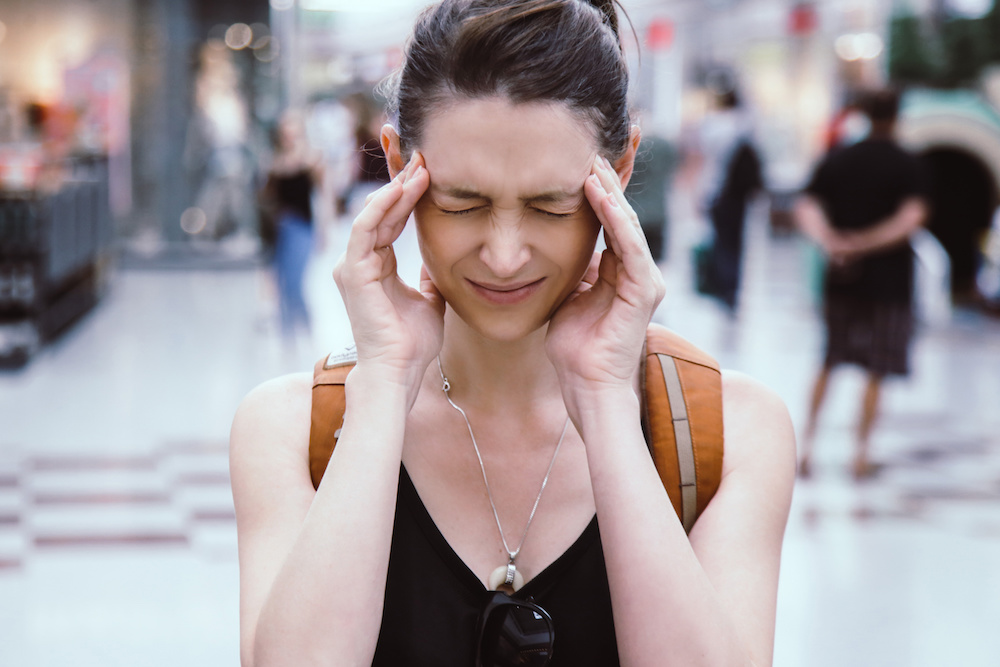

Social anxiety disorder (SAD) is characterized by intense fear or avoidance of social interactions. Common symptoms include:
-
Racing heart and sweating in social settings
-
Fear of speaking, eating, or performing in front of others
-
Persistent worry before and after social events
Research suggests that people with social anxiety are significantly more likely to develop substance use problems compared to the general population.
Why Alcohol Feels Like a Solution

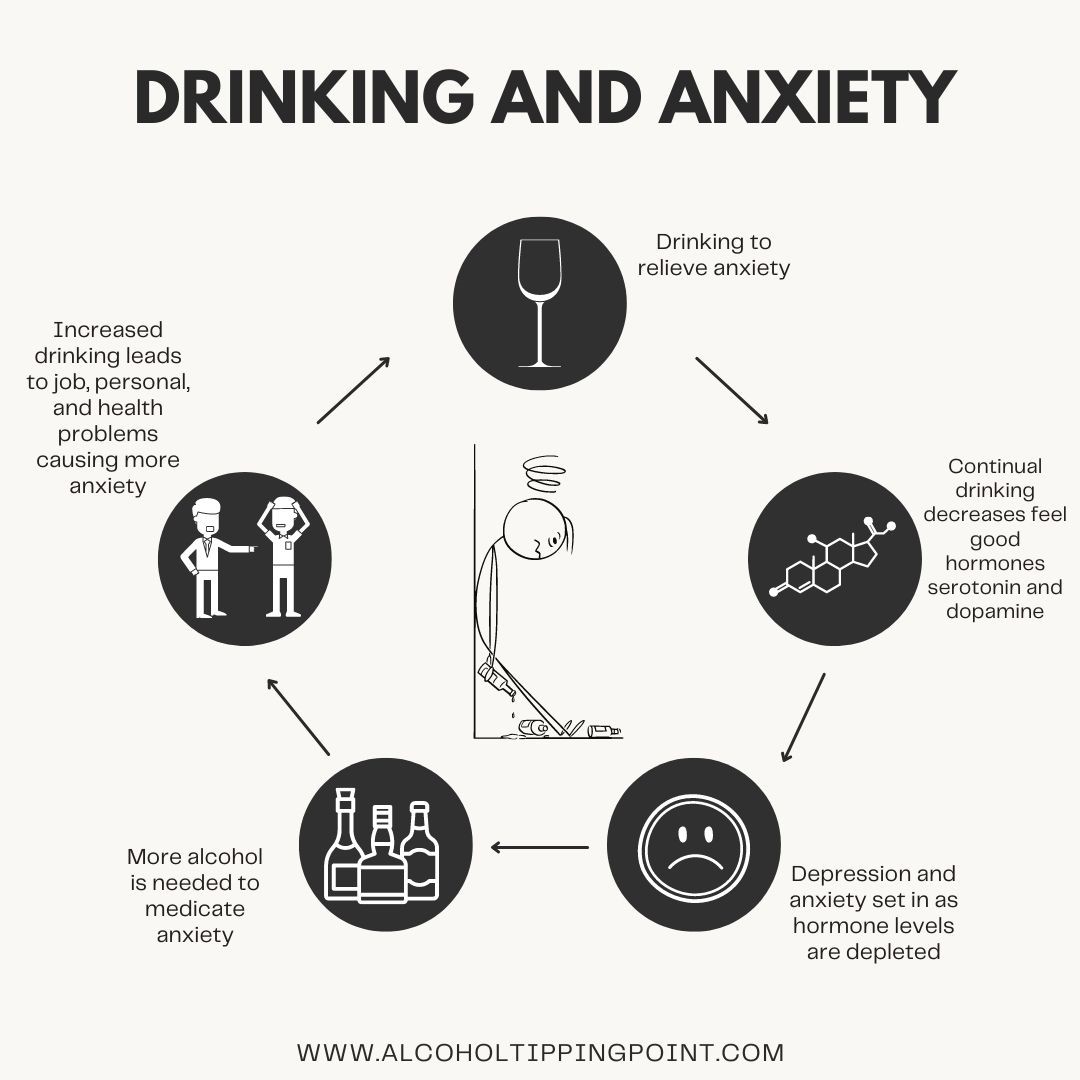

Alcohol acts as a central nervous system depressant. In the short term, it:
-
Lowers inhibitions
-
Reduces self-conscious thoughts
-
Creates a temporary sense of confidence
For someone with social anxiety, this relief can feel life-changing. Social events become “manageable,” conversations feel easier, and fear fades — but only briefly.
What Science Reveals About the Risk


Scientific studies show a strong link between social anxiety and alcohol misuse:
-
People with SAD often begin drinking earlier and drink more heavily in social situations
-
Alcohol rewires reward pathways in the brain, reinforcing its use as a coping tool
-
Over time, tolerance builds, requiring more alcohol to achieve the same calming effect
This creates a feedback loop: anxiety leads to drinking, and drinking increases long-term anxiety.
When Alcohol Makes Anxiety Worse


While alcohol may reduce anxiety temporarily, it often intensifies it later:
-
Rebound anxiety (“hangxiety”) after drinking
-
Increased social fear due to regret or embarrassment
-
Heightened anxiety during alcohol withdrawal
Studies indicate that frequent drinking can actually strengthen anxiety pathways in the brain, making social anxiety more severe over time.
Breaking the Cycle: Evidence-Based Approaches

Science supports healthier, more sustainable solutions:
-
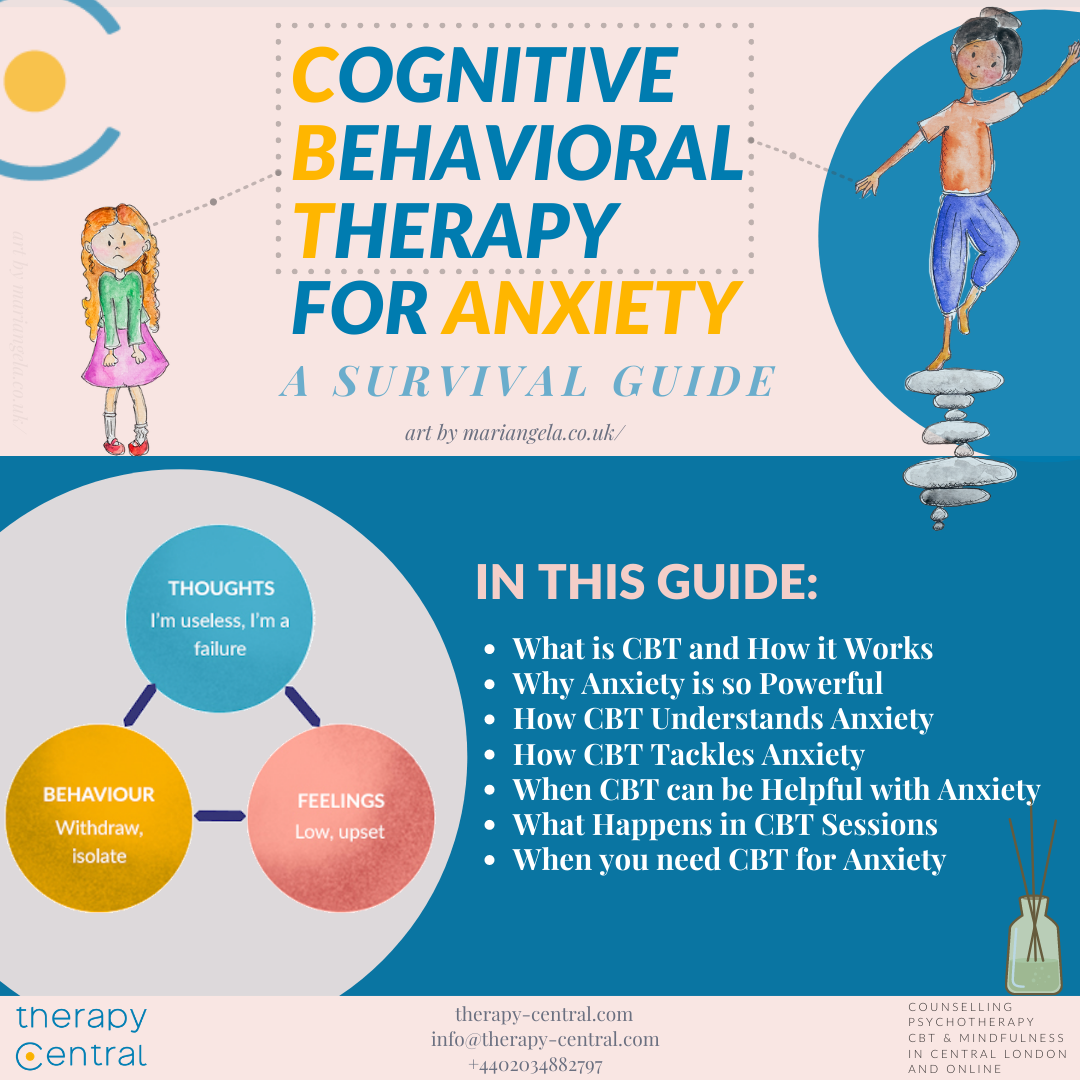
Cognitive Behavioral Therapy (CBT): Helps reframe fear-based thinking
-
Exposure therapy: Gradually builds confidence in social settings
-
Mindfulness and stress regulation: Reduces physical anxiety symptoms
-
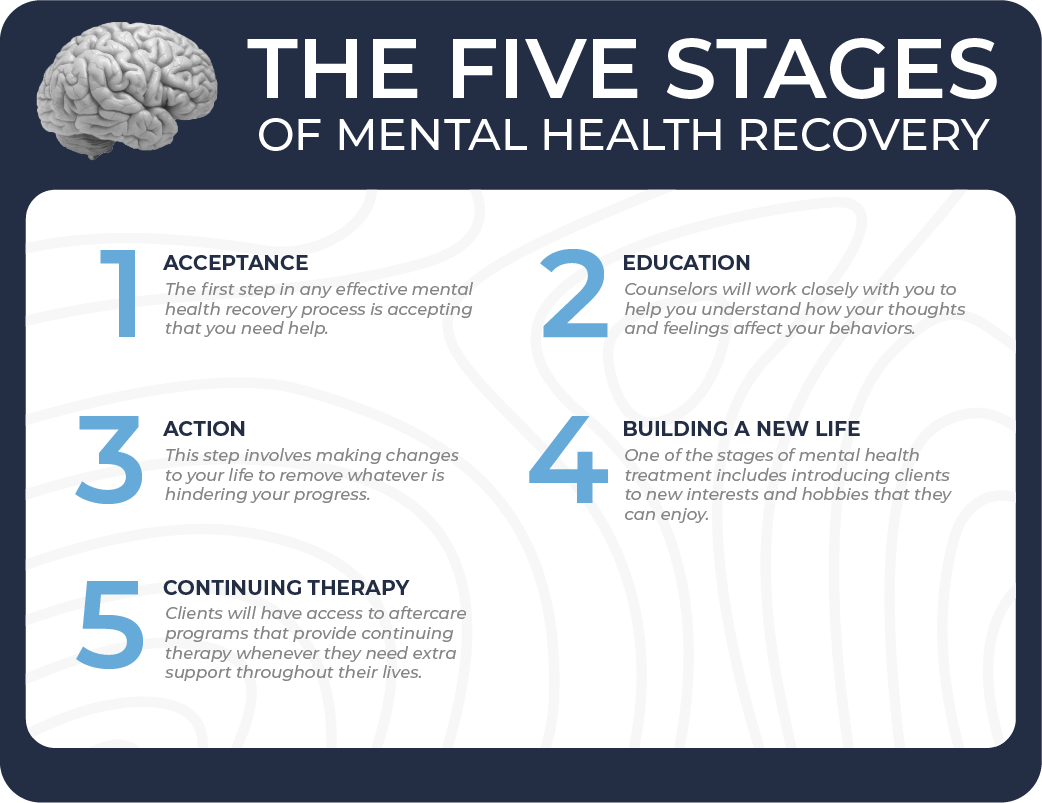
Professional support: Treating anxiety first lowers the risk of alcohol misuse
When anxiety is addressed directly, reliance on alcohol often decreases naturally.
Final Thoughts
Social anxiety and alcohol misuse are deeply connected — not by weakness, but by biology and learned coping. Science makes one thing clear: alcohol is not a cure for social fear. While it may silence anxiety temporarily, it often strengthens it in the long run. Real relief comes from understanding the anxiety itself and choosing strategies that heal rather than harm.