
Introduction
Recovery is not just about quitting a substance—it’s about rebuilding the mind and nervous system. One of the most underestimated threats to long-term recovery is chronic stress. Unlike sudden crises, chronic stress works quietly, wearing down emotional resilience and reopening the door to relapse. Understanding this hidden connection is essential for prevention, healing, and sustainable sobriety.
How Chronic Stress Affects the Brain


Image caption: Prolonged stress disrupts brain chemistry, impairing judgment and emotional regulation.
Chronic stress keeps the body locked in survival mode. Elevated cortisol levels interfere with the brain’s reward system, decision-making centers, and impulse control. Over time, this makes the brain more vulnerable to cravings—especially for substances that once provided quick relief.
When stress becomes constant:
-
The brain seeks shortcuts to comfort
-
Emotional regulation weakens
-
Past addictive pathways reactivate more easily
This biological shift explains why relapse can occur even after long periods of sobriety.
Why Stress Triggers Relapse


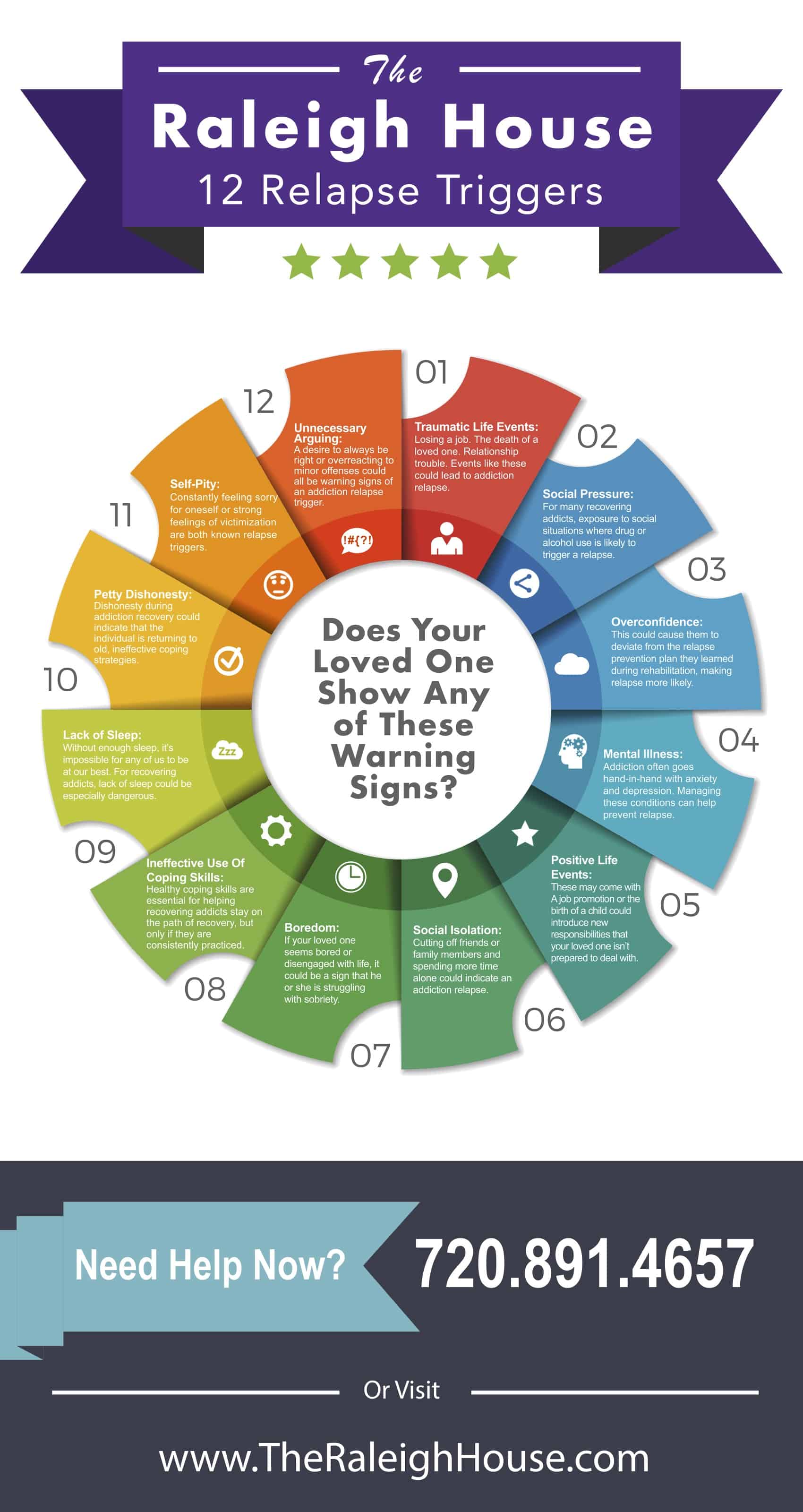
Image caption: Stress can quietly reawaken old coping mechanisms tied to substance use.
Substances often become tools for emotional escape. When stress resurfaces, the brain remembers how effective those tools once felt. Chronic stress:
-
Reduces coping capacity
-
Amplifies anxiety and depression
-
Makes cravings feel urgent and rational
Relapse is rarely about weakness—it’s often about an exhausted nervous system looking for relief.
Common Sources of Chronic Stress in Recovery


Image caption: Daily pressures can accumulate and silently threaten recovery.
Some stressors are persistent and unavoidable:
-
Financial instability
-
Workplace pressure or burnout
-
Family conflict or unresolved trauma
-
Social isolation or loneliness
When these stressors pile up without healthy outlets, relapse risk increases significantly.
Breaking the Stress–Relapse Cycle


Image caption: Managing stress is not optional—it’s a core part of recovery.
Preventing relapse requires addressing stress directly, not ignoring it. Effective strategies include:
-
Mindfulness and grounding practices to calm the nervous system
-
Therapy or counseling to process emotional overload
-
Structured routines that create stability
-
Social support that reduces isolation
-
Physical activity to regulate stress hormones
Recovery strengthens when stress management becomes a daily practice, not an emergency response.
Conclusion
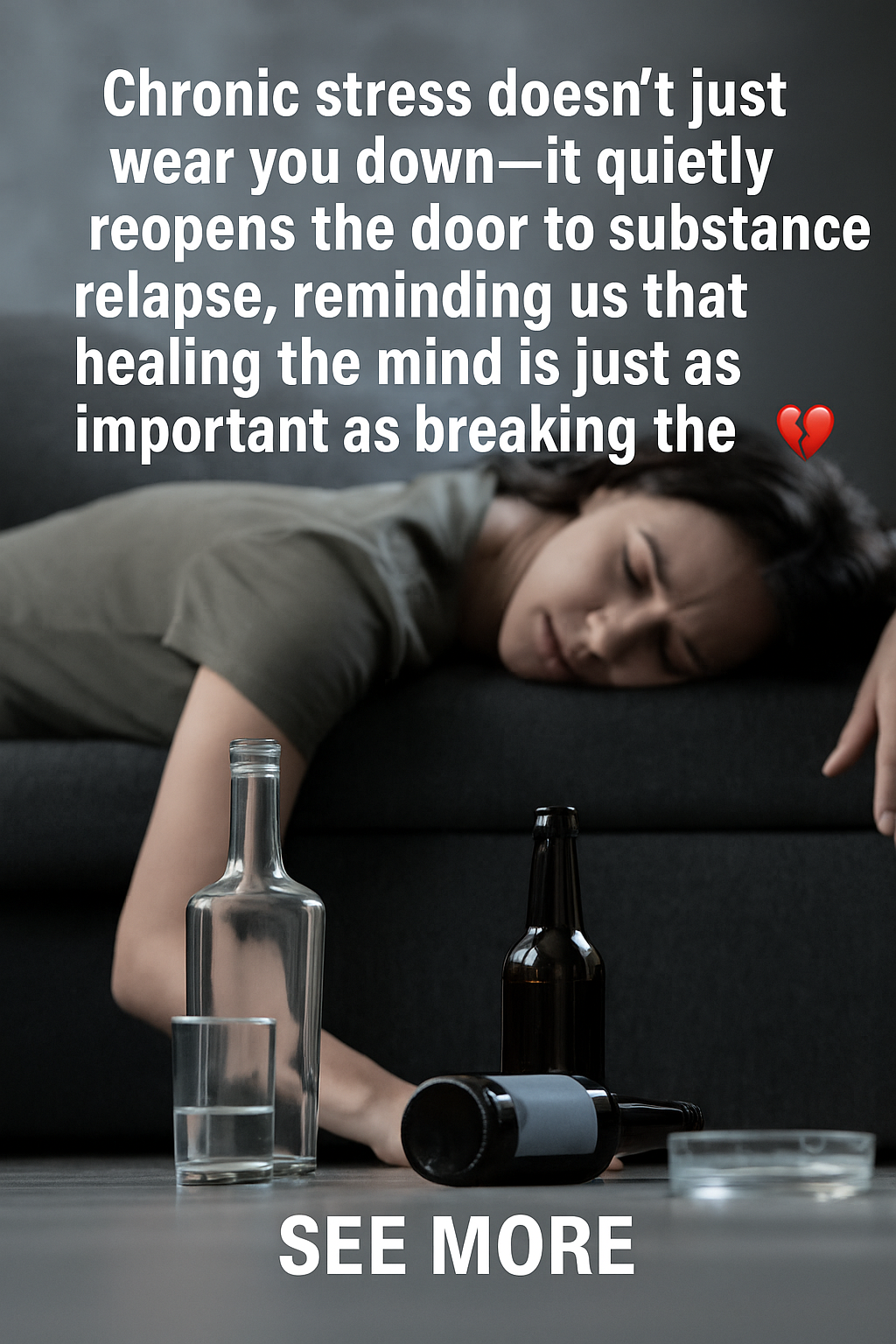
Chronic stress doesn’t announce itself—but its impact is powerful. It quietly erodes emotional defenses and reactivates old patterns, making relapse feel almost inevitable. The good news is this: stress can be managed, and relapse is preventable. Healing the mind is just as critical as breaking the habit. When stress is addressed with compassion and strategy, recovery becomes not only possible—but sustainable.