

Introduction
Early detox is often described as one of the most emotionally intense phases of recovery—and anxiety sits at the center of that experience. When substances are removed, the brain and nervous system must rapidly adapt to functioning without chemical shortcuts. This adjustment can trigger powerful anxiety patterns that feel frightening, overwhelming, and sometimes unbearable. Understanding these patterns is essential, not only to reduce fear but also to prevent relapse during this vulnerable stage.
1. Constant Restlessness and Inner Tension

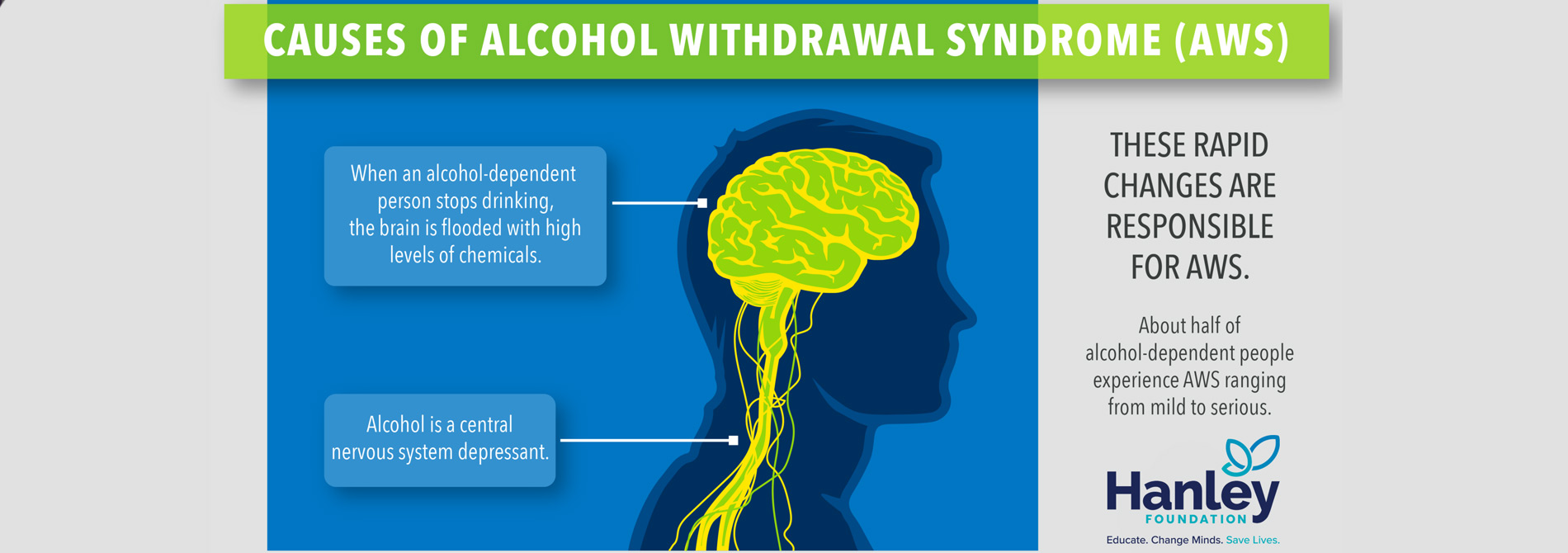
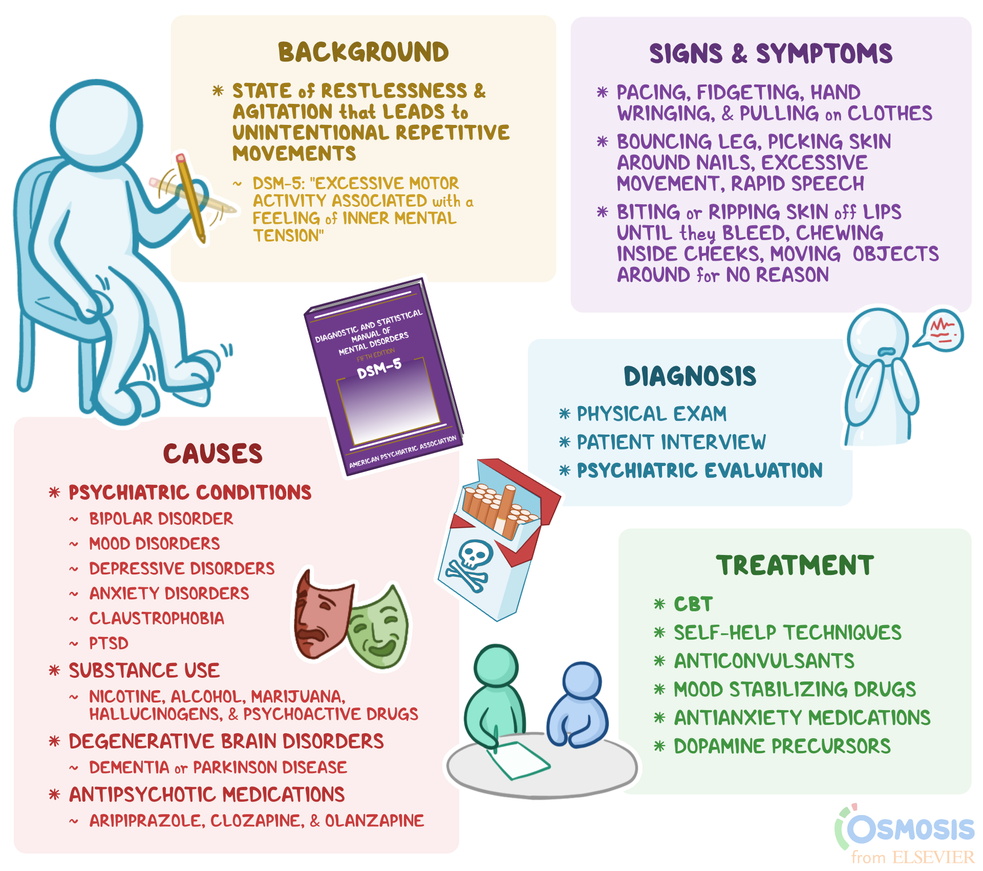
Image caption: Persistent restlessness is one of the earliest anxiety signs during detox.
One of the most common anxiety patterns in early detox is a relentless sense of restlessness. People often describe feeling “on edge” all day—unable to sit still, relax, or focus. This happens because substances like alcohol, opioids, or stimulants previously dampened or overstimulated the nervous system. Once removed, the brain struggles to recalibrate neurotransmitters such as GABA and dopamine. The result is a heightened state of alertness, as if the body believes danger is imminent—even when it isn’t.
2. Racing Thoughts and Overthinking


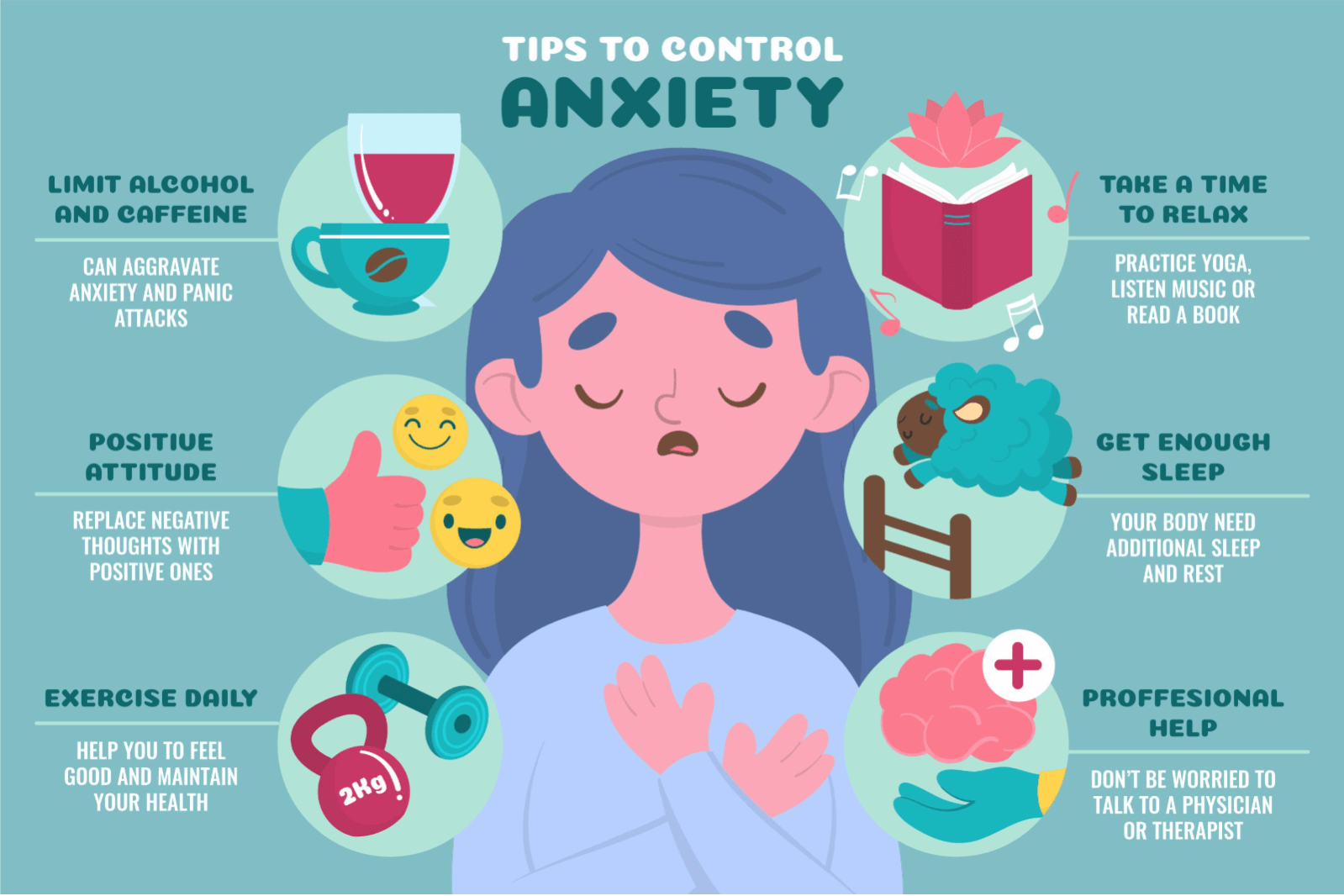
Image caption: Anxiety in detox often appears as nonstop mental chatter and fear-driven thoughts.
Another hallmark of early detox anxiety is racing thoughts. The mind jumps rapidly from one worry to another: What if I can’t do this? What if the anxiety never stops? What if I relapse? Without substances numbing emotional responses, unresolved fears and suppressed emotions surface all at once. This mental overload can feel exhausting and may intensify insomnia, panic symptoms, and cravings.
3. Physical Anxiety Symptoms That Mimic Illness
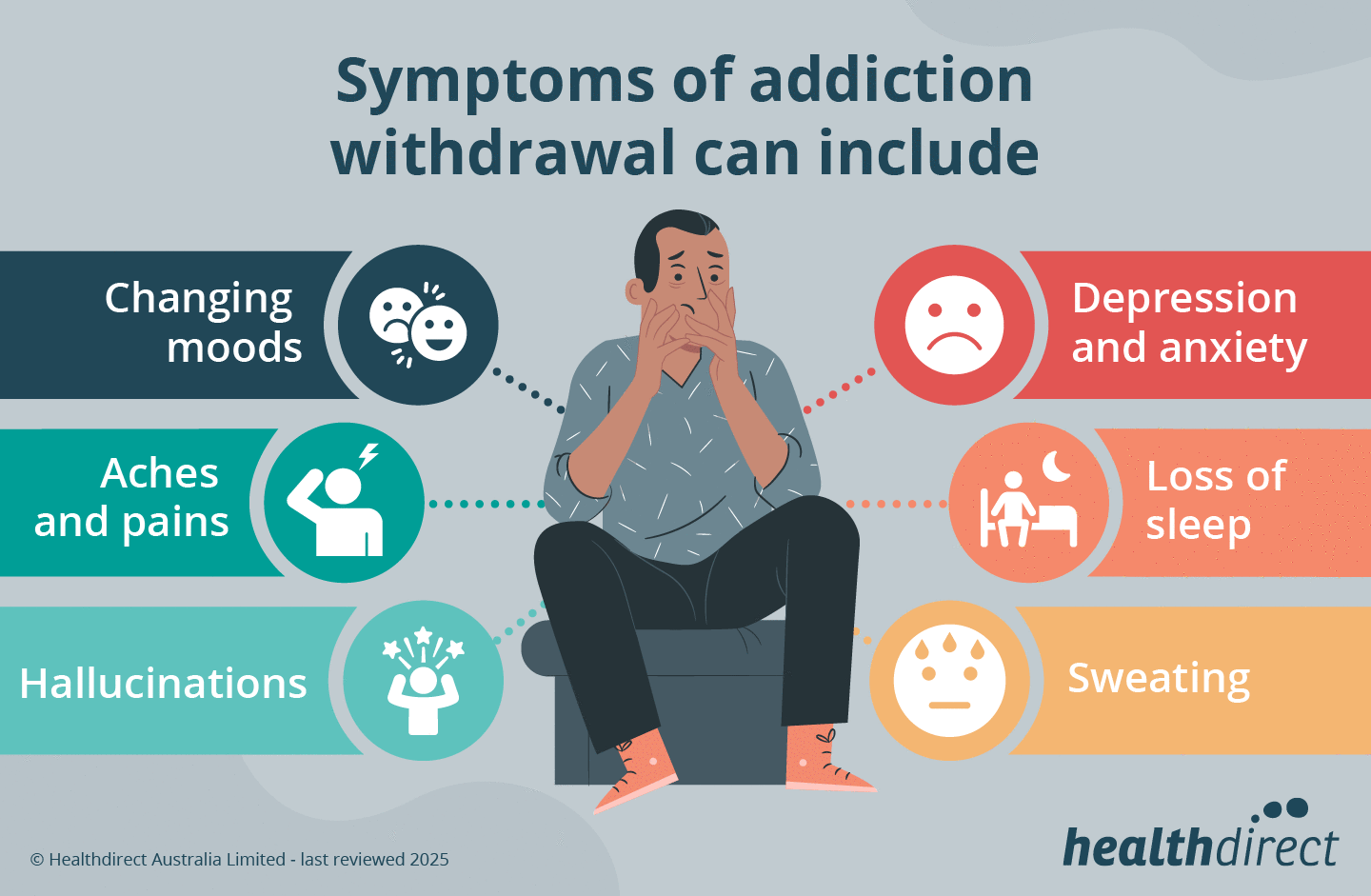


Image caption: Detox-related anxiety often produces intense physical sensations.
In early detox, anxiety doesn’t stay in the mind—it moves into the body. Many people experience heart palpitations, sweating, trembling, chest tightness, nausea, or shortness of breath. These sensations can be terrifying, especially for those unfamiliar with anxiety. The body is relearning how to regulate stress hormones like cortisol and adrenaline, which explains why physical symptoms can feel so intense during this phase.
4. Fear of Losing Control or “Going Crazy”
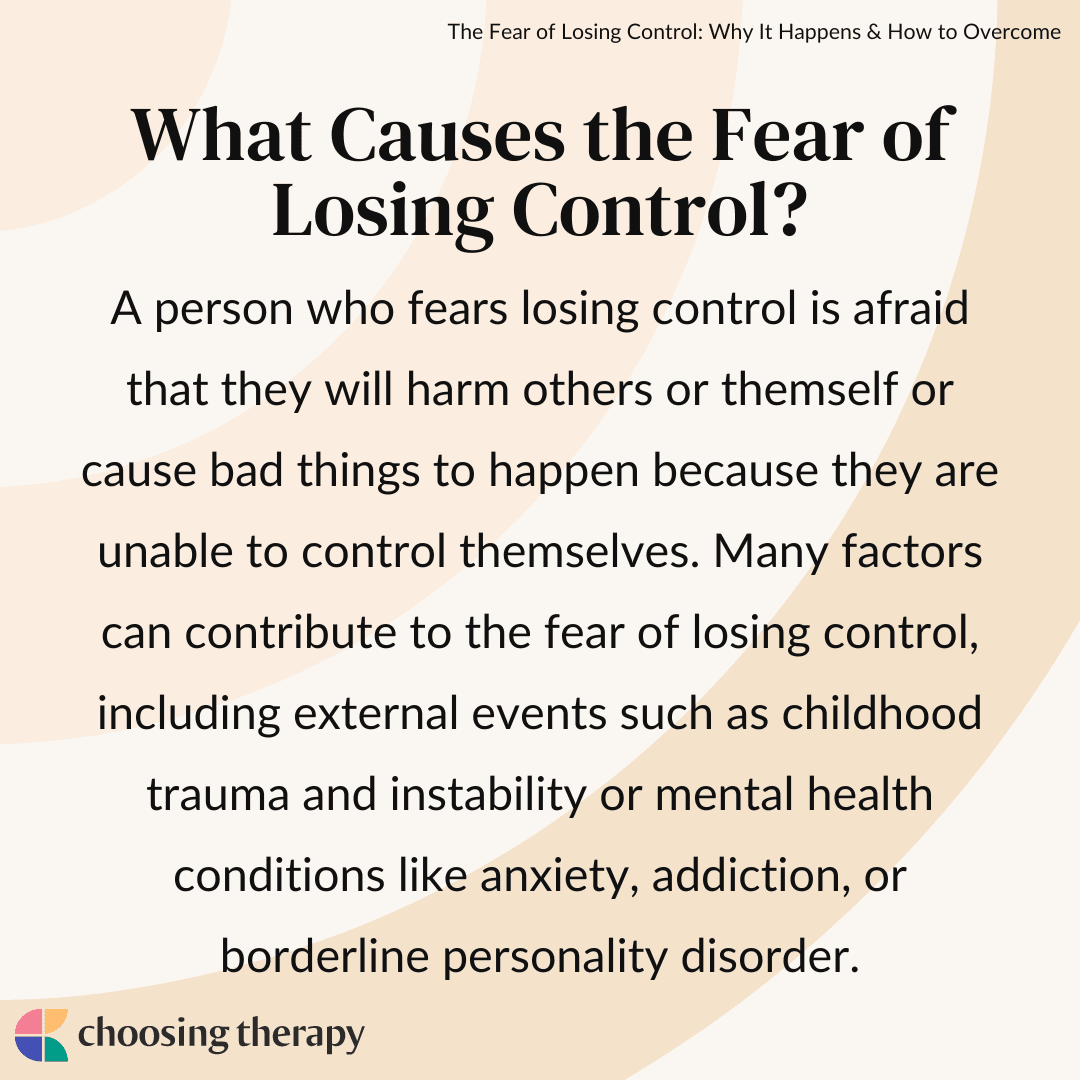


Image caption: A deep fear of losing control is common during early detox anxiety.
A particularly distressing anxiety pattern in detox is the fear of losing control—mentally or emotionally. People may worry they are “going crazy” or permanently damaged. This fear is fueled by panic attacks, dissociation, and unfamiliar emotional intensity. In reality, these sensations are signs of a nervous system under repair, not evidence of mental collapse. However, without reassurance and education, this fear can quickly lead to cravings as the brain seeks immediate relief.
5. Heightened Sensitivity to the Environment
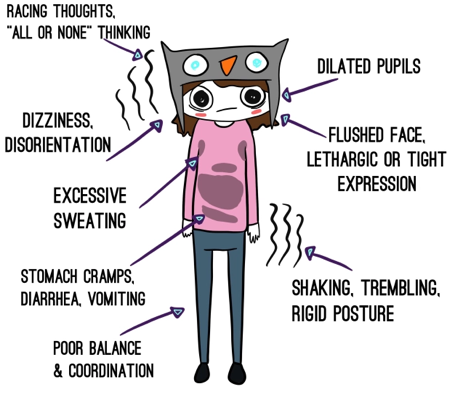

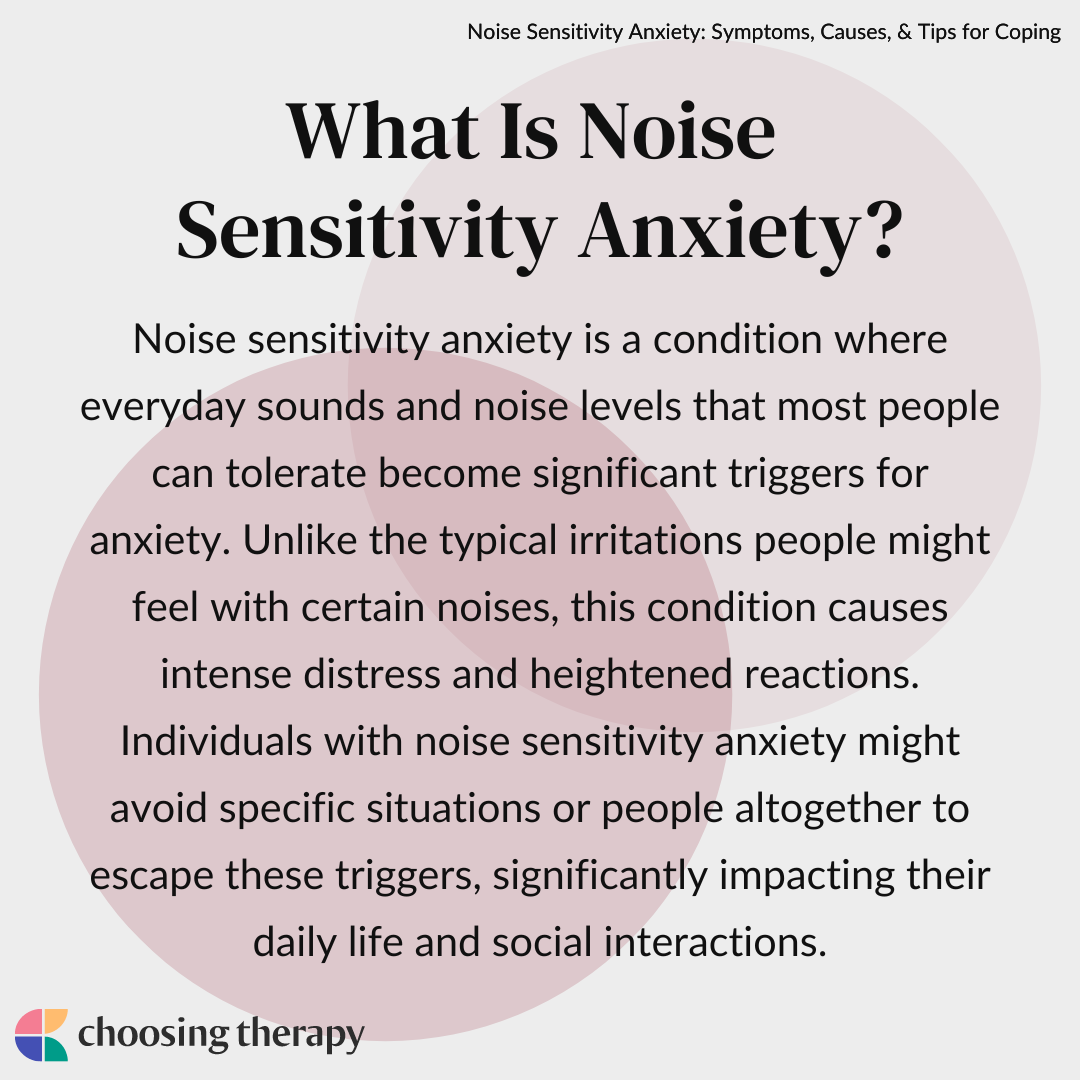
Image caption: Sounds, lights, and crowds may feel overwhelming in early recovery.
During early detox, many individuals become extremely sensitive to noise, light, touch, and social interaction. Normal environments may suddenly feel overwhelming. This occurs because the nervous system is no longer buffered by substances and is temporarily hyper-reactive. Even small stressors can trigger anxiety spikes, making calm, low-stimulation environments especially important during this stage.
6. Anxiety-Driven Cravings
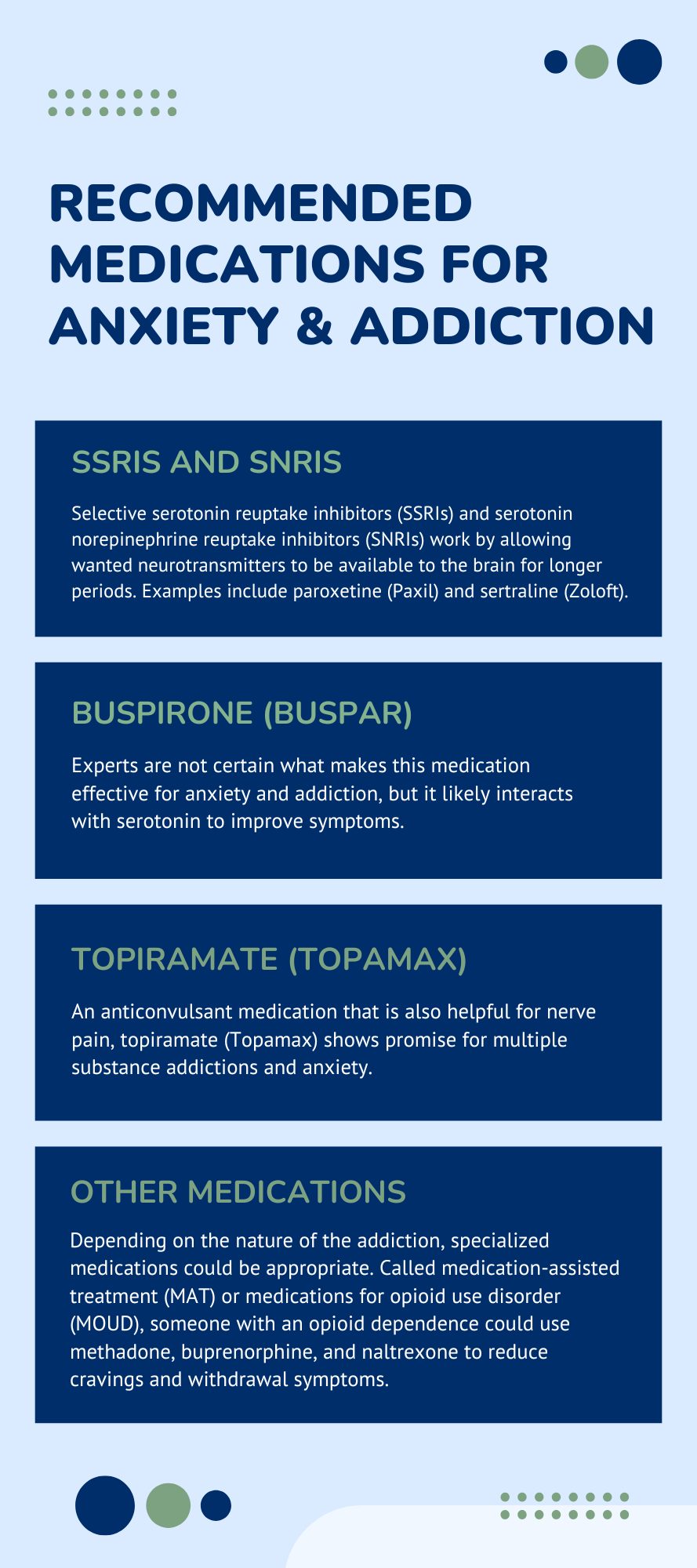
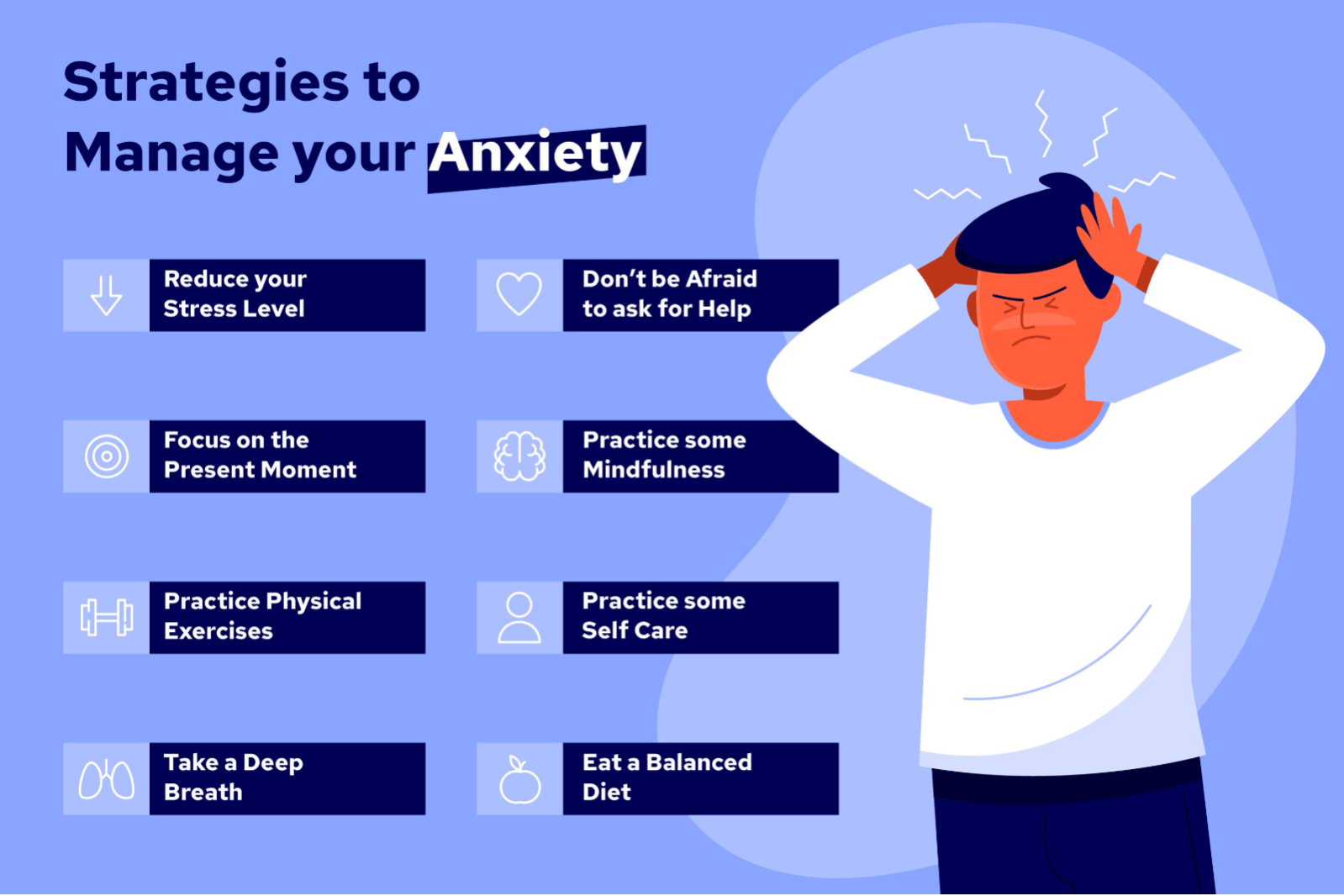

Image caption: Anxiety often fuels powerful urges to return to substance use.
Anxiety and cravings are deeply connected in early detox. The brain remembers substances as fast-acting anxiety relief, so when anxiety rises, cravings often follow. This is not weakness—it is conditioned survival learning. Recognizing anxiety as a temporary detox symptom rather than a personal failure can help reduce shame and improve coping strategies.
Why These Anxiety Patterns Matter
Anxiety in early detox is not random or meaningless—it is the nervous system recalibrating after prolonged chemical disruption. These patterns are common, temporary, and treatable with the right support. Understanding them reduces fear, strengthens motivation, and helps people stay committed to recovery during its most fragile stage.
Final Thoughts
Early detox anxiety can feel overwhelming, but it is a sign of healing in progress. With time, education, and support, the nervous system regains balance, anxiety softens, and clarity returns. The discomfort is real—but so is the recovery happening beneath it.