
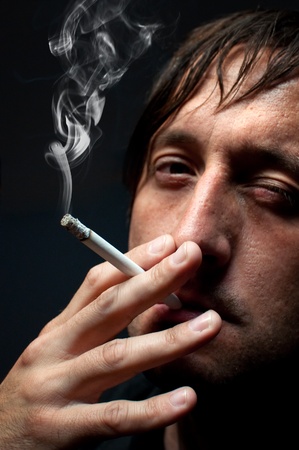
Anxiety doesn’t just live in the mind—it settles into the body, tightening the chest, racing the heart, and keeping the nervous system on constant alert. For many people, nicotine becomes an appealing escape hatch in these moments. A cigarette, a vape, or a nicotine pouch promises calm, focus, and control—at least for a short while. Understanding why anxiety and nicotine are so closely linked is the first step toward breaking a cycle that often deepens distress rather than relieving it.
The Immediate Calm: Why Nicotine Feels Like Relief

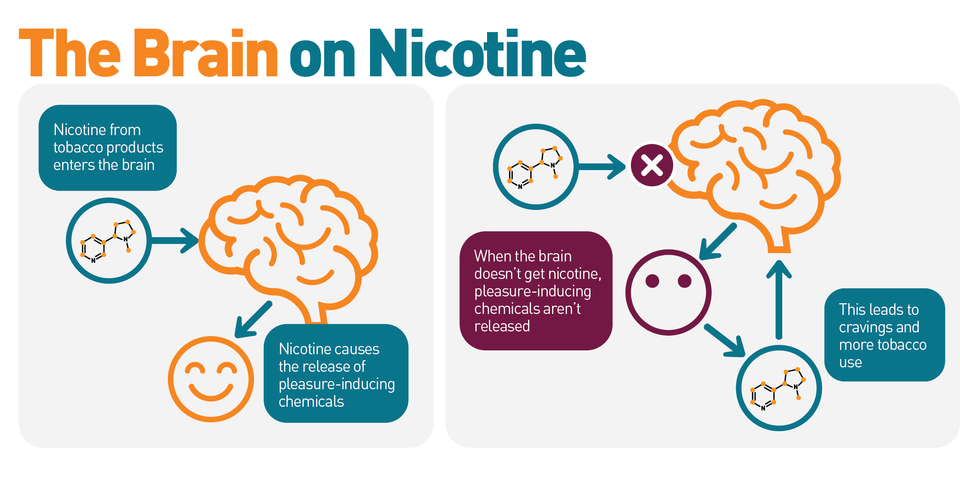

Image caption: Many people with anxiety report an immediate sense of calm after nicotine use, even though the relief is short-lived.
Nicotine acts rapidly on the brain’s reward system. Within seconds, it stimulates the release of dopamine, a neurotransmitter associated with pleasure and relief. For someone overwhelmed by anxious thoughts or physical tension, this chemical shift can feel like a welcome pause. Breathing slows, the mind sharpens, and the chaos inside seems to quiet down. This quick feedback teaches the brain an important—yet misleading—lesson: nicotine equals relief. Over time, the association becomes automatic, especially during moments of stress or panic.
Anxiety, Control, and the Ritual of Smoking


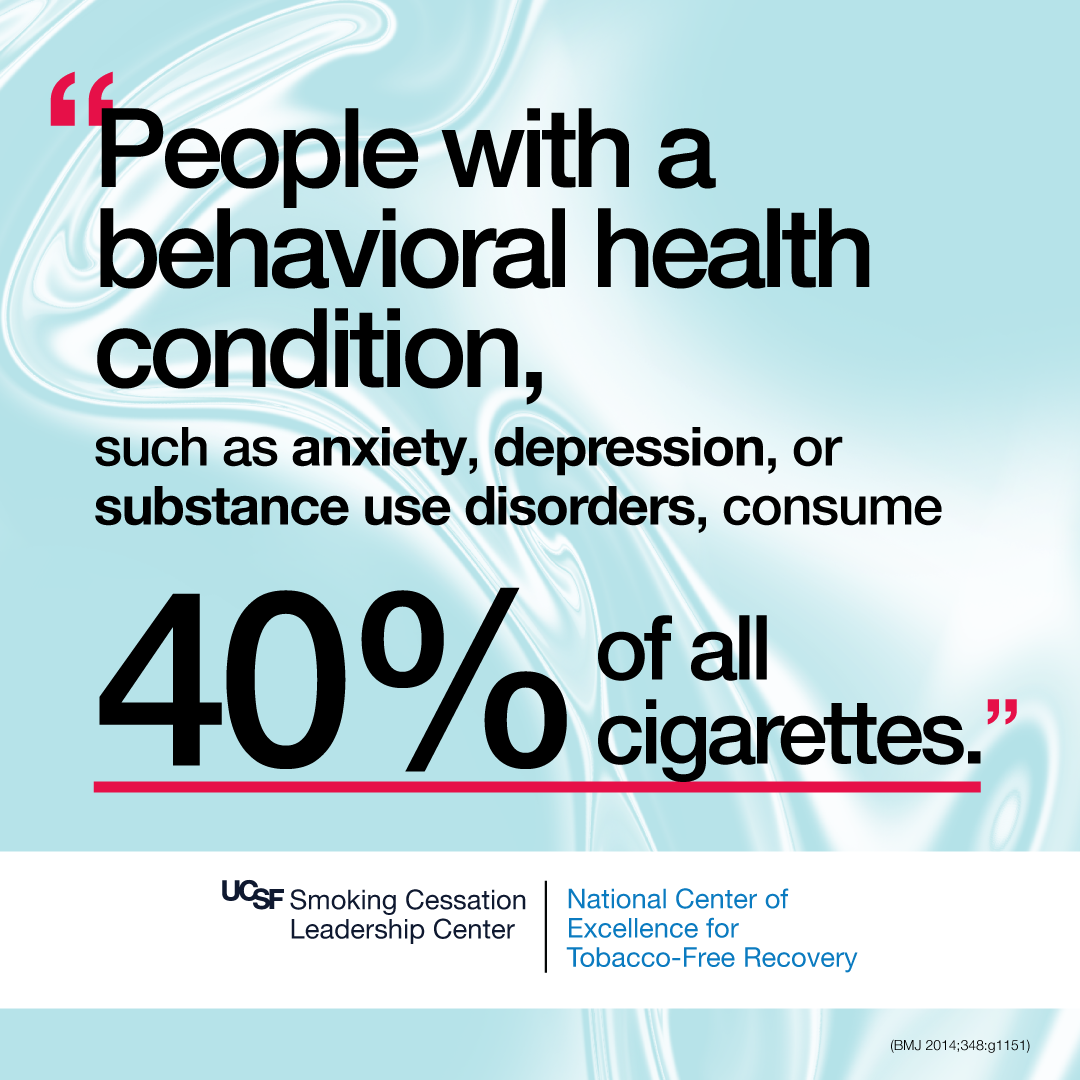
Image caption: The ritual of smoking or vaping can create a sense of control and predictability for anxious individuals.
Beyond chemistry, nicotine use offers something anxiety often strips away: a sense of control. The ritual—stepping outside, lighting up, inhaling, exhaling—creates structure in an otherwise unpredictable emotional landscape. For people with anxiety, routines can feel grounding. The act of smoking becomes a pause button, a socially acceptable reason to step away from overwhelming situations. Unfortunately, the relief comes bundled with dependence, reinforcing the habit each time anxiety flares.
Nicotine and the Nervous System: A Hidden Trap


Image caption: Nicotine temporarily soothes the nervous system but ultimately keeps it in a heightened state of reactivity.
While nicotine may reduce anxiety briefly, it also stimulates the nervous system. As the effects wear off, withdrawal symptoms—irritability, restlessness, increased heart rate—can closely mimic anxiety itself. Many people misinterpret these sensations as a return of their original anxiety and reach for more nicotine, unknowingly feeding the cycle. Over time, baseline anxiety can increase, making it harder to feel calm without nicotine in the system.
Why Quitting Feels Harder for People With Anxiety


Image caption: Withdrawal symptoms often intensify anxiety, making quitting nicotine especially challenging for anxious individuals.
For those already prone to anxiety, quitting nicotine can feel terrifying. The substance has become a coping tool, even if an unhealthy one. Without it, anxious thoughts may feel louder, and physical symptoms more intense. This doesn’t mean quitting is impossible—it means the approach must address both nicotine dependence and anxiety management. Strategies such as breathing exercises, gradual reduction, therapy, and alternative stress-relief techniques can help replace nicotine’s role without leaving a void.
Finding Healthier Ways to Cope
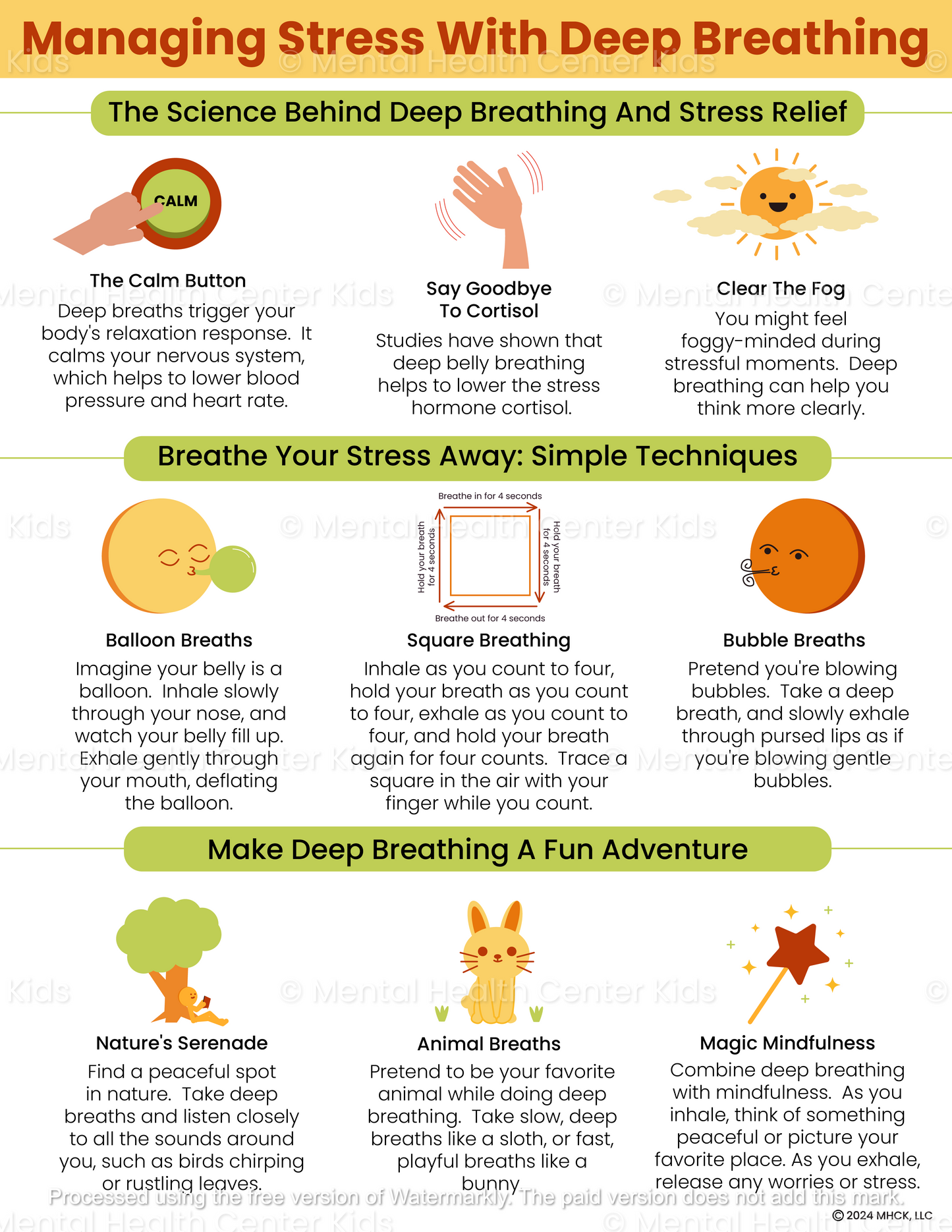


Image caption: Healthier coping strategies can retrain the brain to find calm without nicotine.
Breaking the link between anxiety and nicotine starts with compassion, not judgment. Many people didn’t turn to nicotine out of weakness—they turned to it out of survival. Learning to regulate anxiety through healthier methods can gradually weaken nicotine’s grip. Mindfulness, physical activity, therapy, and social support all help retrain the nervous system to find calm without chemical shortcuts. Over time, relief becomes more sustainable, and anxiety loses one of its most deceptive allies.