

Introduction
Low mood is more than just feeling sad or unmotivated—it can quietly amplify cravings and make self-control feel almost impossible. Many people notice that urges to smoke, drink, overeat, or return to other addictive behaviors intensify during periods of emotional heaviness. This isn’t a personal weakness; it’s a predictable interaction between brain chemistry, emotions, and learned coping patterns. Understanding why low mood strengthens cravings is a powerful first step toward breaking the cycle and regaining control.
The Brain Chemistry Behind Low Mood and Cravings
When mood drops, the brain’s reward system shifts. Neurotransmitters like dopamine and serotonin, which help regulate pleasure, motivation, and emotional balance, are often reduced during low mood states. This creates an internal imbalance—your brain starts searching for quick ways to feel relief or stimulation.
Substances and compulsive behaviors temporarily boost dopamine, offering short-lived comfort. The brain quickly learns this connection, reinforcing cravings whenever emotional discomfort appears. Over time, this loop becomes automatic: feel low → crave relief → seek quick reward.


Image caption: Low mood alters dopamine and serotonin activity, increasing the brain’s drive for quick rewards.
Emotional Numbing and the Search for Relief
Low mood often brings emotional numbness—feeling disconnected, flat, or empty. Cravings intensify because the mind wants something to break through that emotional fog. Alcohol, nicotine, sugar, or other substances promise warmth, calm, or energy, even if only for minutes.
This is why cravings during low mood can feel more urgent than usual. They’re not just about pleasure; they’re about escaping emotional discomfort. Unfortunately, once the effect fades, mood often drops even lower, deepening the cycle.


Image caption: Emotional numbness pushes the mind to seek fast relief through cravings.
Reduced Self-Control During Emotional Fatigue
Low mood drains mental energy. Tasks that usually feel manageable—resisting urges, making healthy choices, staying focused—require more effort. This phenomenon is known as ego depletion: when emotional strain reduces your capacity for self-regulation.
In this state, cravings don’t necessarily become stronger—but your ability to resist them becomes weaker. The result feels the same: urges take over more easily, and relapse risk increases.
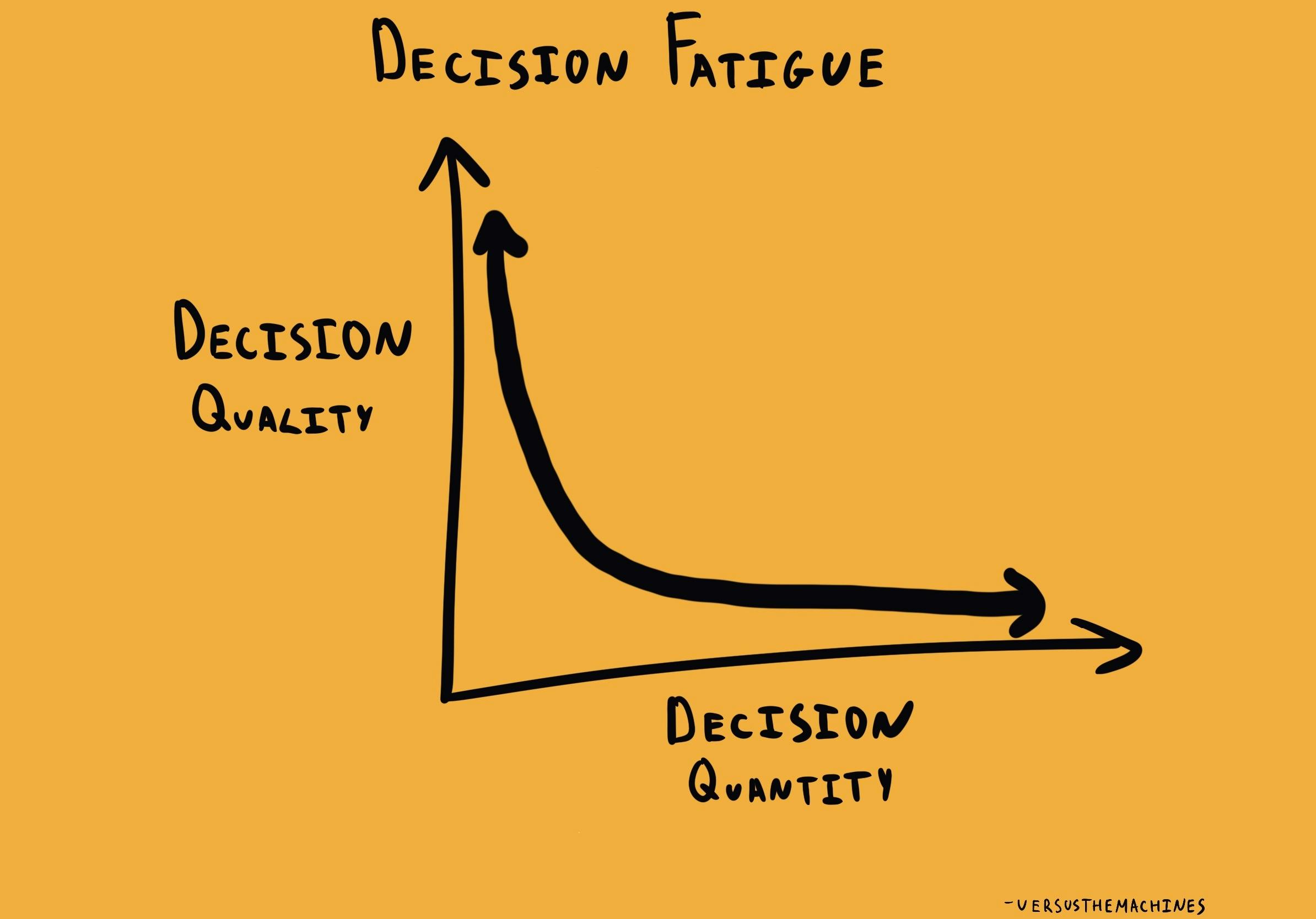

Image caption: Emotional fatigue weakens self-control, making cravings harder to resist.
Negative Thought Loops Fuel Cravings
Low mood often comes with harsh inner dialogue: “I’m failing,” “Nothing helps,” “Why even try?” These thoughts intensify cravings by reducing hope and motivation. When the future feels bleak, immediate relief becomes more appealing than long-term goals.
Cravings thrive in hopelessness. They whisper that relief is just one action away—right now—making it harder to pause and choose healthier coping strategies.
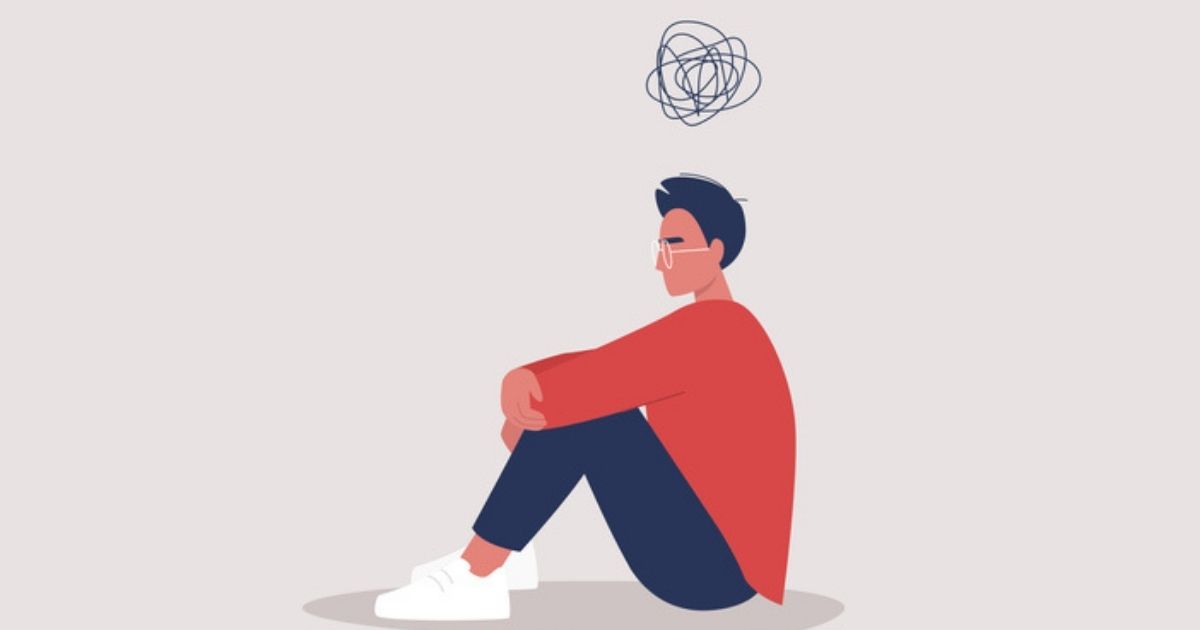

Image caption: Negative thought loops increase emotional pressure and intensify urges.
Breaking the Cycle: Responding to Low Mood Without Giving In
The key to weakening cravings during low mood isn’t forcing positivity—it’s responding differently to discomfort. Small, compassionate actions can interrupt the craving cycle:
-
Naming the feeling (“I’m low, not weak”) reduces its power.
-
Gentle movement, sunlight, or deep breathing can stabilize brain chemistry.
-
Reaching out to someone breaks emotional isolation.
-
Delaying cravings by even 10 minutes often reduces their intensity.
Each time you choose care over escape, the brain slowly relearns safer ways to cope with emotional lows.


Image caption: Healthy coping strategies can soften low mood and weaken cravings over time.
Conclusion
Low mood makes cravings stronger not because of a lack of willpower, but because of how the brain responds to emotional pain. By understanding the connection between mood, brain chemistry, and urges, you gain compassion—and control. Cravings are signals, not commands. When you address the emotional roots beneath them, their grip gradually loosens, allowing healing to begin from the inside out.