
Introduction
Addiction is often misunderstood as a problem of weak willpower or poor self-control. In reality, it is deeply rooted in brain chemistry—especially dopamine, the neurotransmitter responsible for motivation, pleasure, and reward. When dopamine levels become chronically low, the brain enters a state of deficit, constantly searching for something—anything—to feel “normal” again. This is where addiction quietly takes hold. Understanding the science of low dopamine helps explain why cravings feel overwhelming, why quitting is so hard, and why recovery is not just about stopping a substance, but about healing the brain itself.
What Is Dopamine and Why Does It Matter?


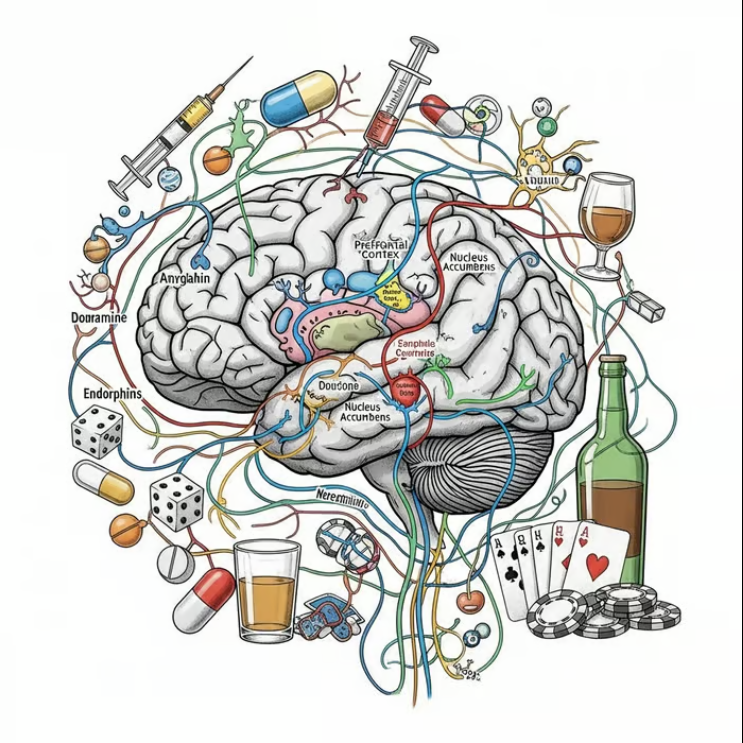
Image caption: Dopamine pathways in the brain regulate motivation, pleasure, and reward-based learning.
Dopamine is not simply the “pleasure chemical.” Its real role is anticipation and motivation. It drives us to pursue goals—food when we’re hungry, rest when we’re tired, and connection when we feel lonely. Every time dopamine is released, the brain learns: this matters, do it again.
In a healthy brain, dopamine rises and falls naturally in response to meaningful activities. But when substances or addictive behaviors repeatedly flood the brain with artificial dopamine spikes, the system begins to malfunction.
How Low Dopamine Develops in Addiction
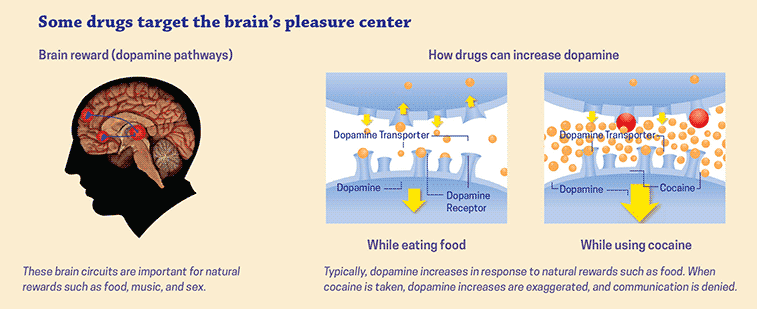

Image caption: Repeated dopamine overstimulation leads to tolerance and reduced baseline dopamine levels.
Drugs, alcohol, nicotine, and even behaviors like gambling or excessive social media use can cause dopamine surges far beyond natural levels. Over time, the brain adapts by:
-
Reducing dopamine receptors
-
Producing less dopamine naturally
-
Increasing sensitivity to stress
This process, known as neuroadaptation, results in a paradox: the more someone uses a substance, the less pleasure they feel from it. Eventually, they are no longer chasing a high—they are trying to escape the emptiness of low dopamine.
Low Dopamine Symptoms: More Than Just Cravings
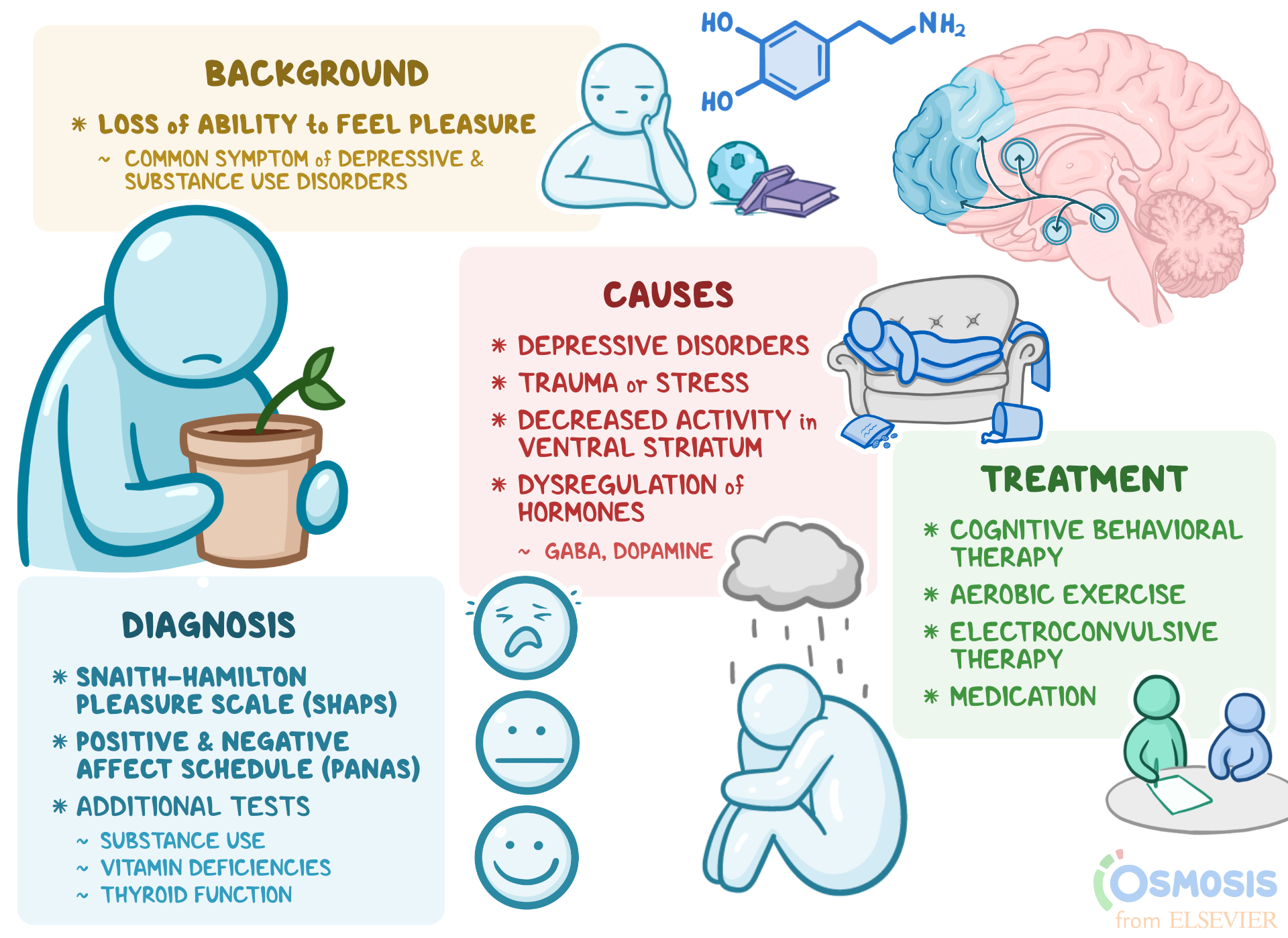

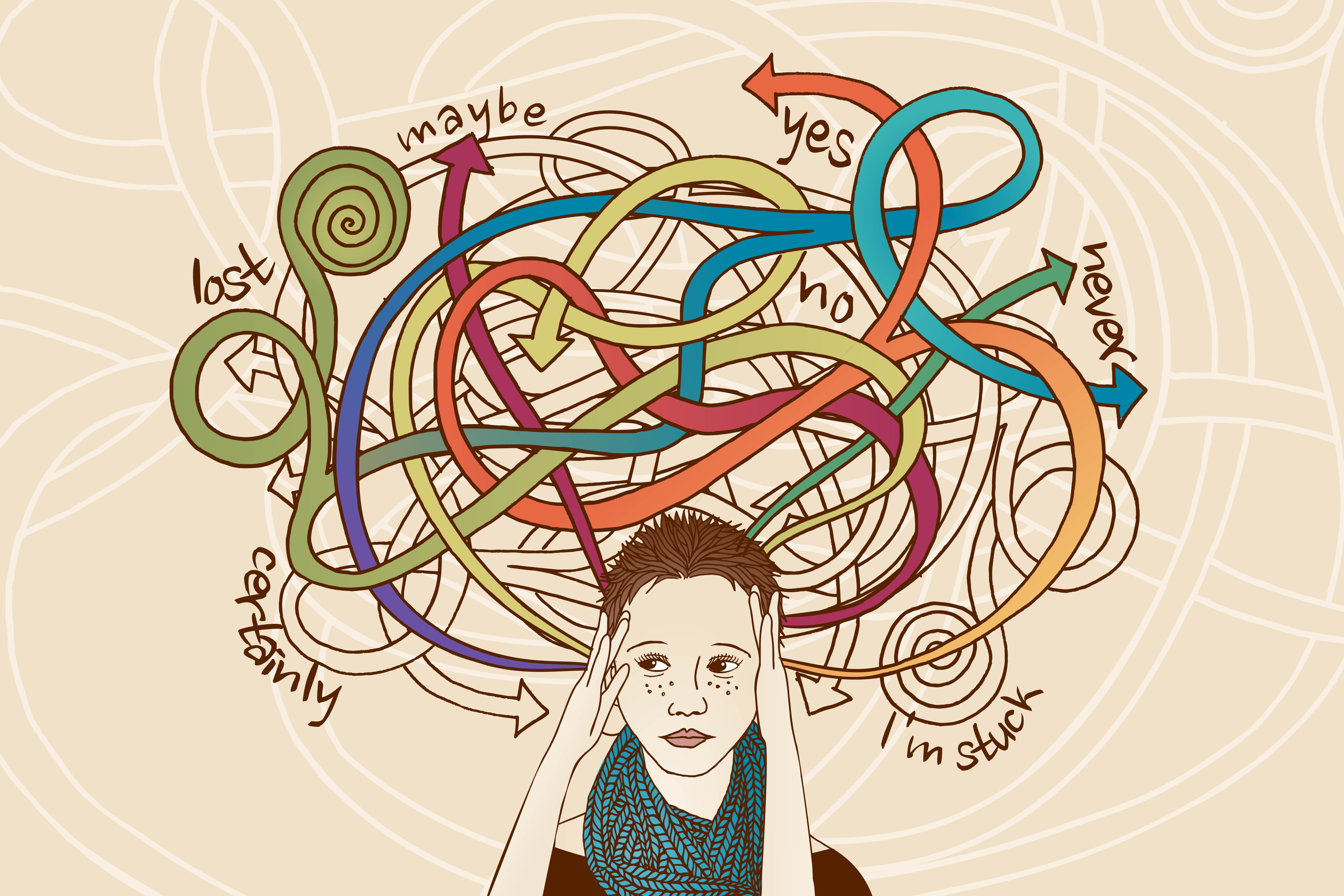
Image caption: Low dopamine often shows up as emotional numbness, fatigue, and loss of motivation.
When dopamine levels are chronically low, people may experience:
-
Emotional numbness or anhedonia (inability to feel pleasure)
-
Constant fatigue and lack of motivation
-
Brain fog and poor concentration
-
Increased anxiety and irritability
-
Strong, intrusive cravings
These symptoms often appear during early recovery, leading many people to believe they “can’t function” without the substance. In truth, the brain is struggling to rebalance itself.
Why Low Dopamine Makes Relapse So Likely


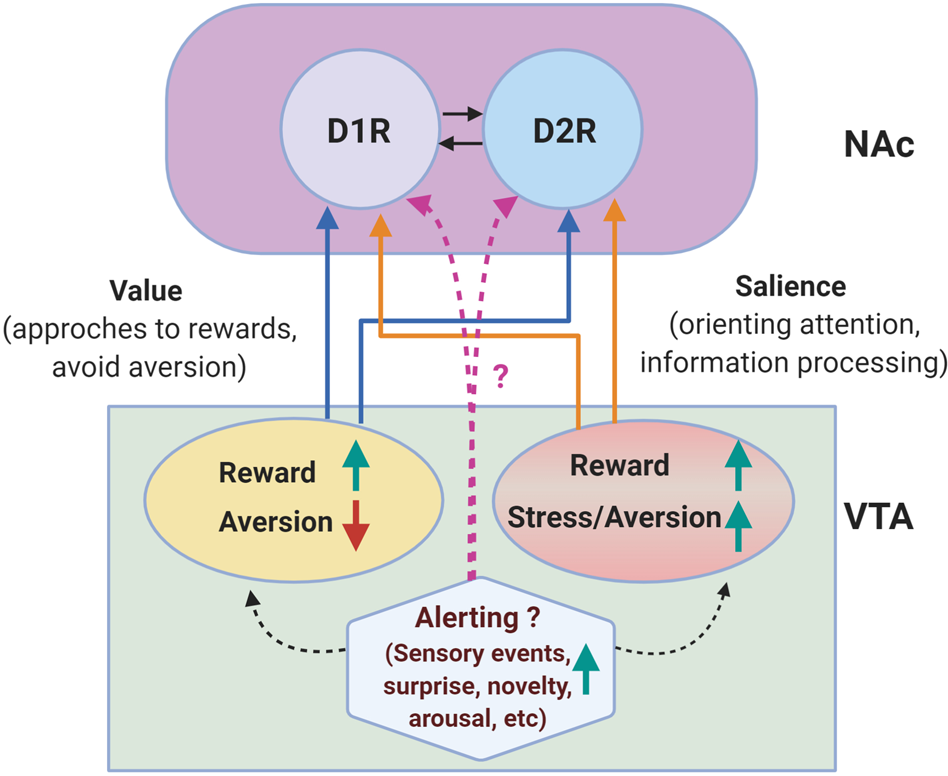
Image caption: Stress and low dopamine dramatically increase relapse risk.
Low dopamine creates a powerful vulnerability. Stress, sadness, boredom, or even small disappointments can trigger intense cravings because the brain remembers one fast solution: the substance that once boosted dopamine instantly.
This is why relapse often happens not during moments of happiness, but during emotional lows. Without dopamine support, the brain prioritizes survival over logic, pushing the person toward short-term relief despite long-term consequences.
Healing Dopamine: Recovery Is a Brain Process
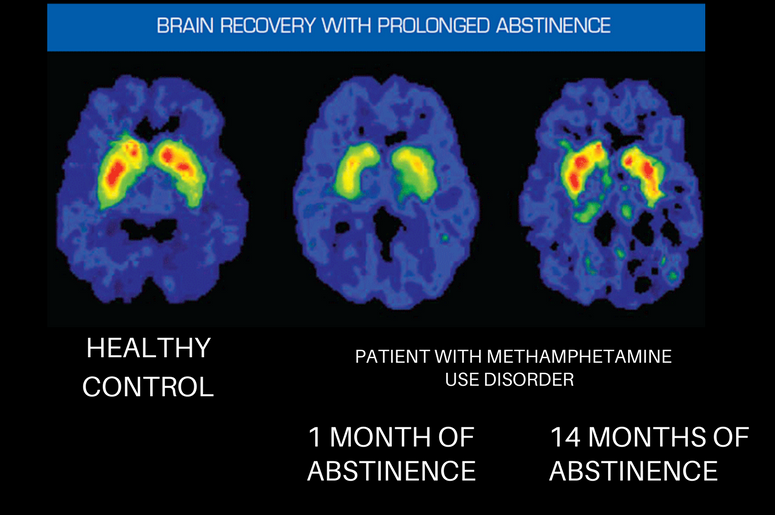

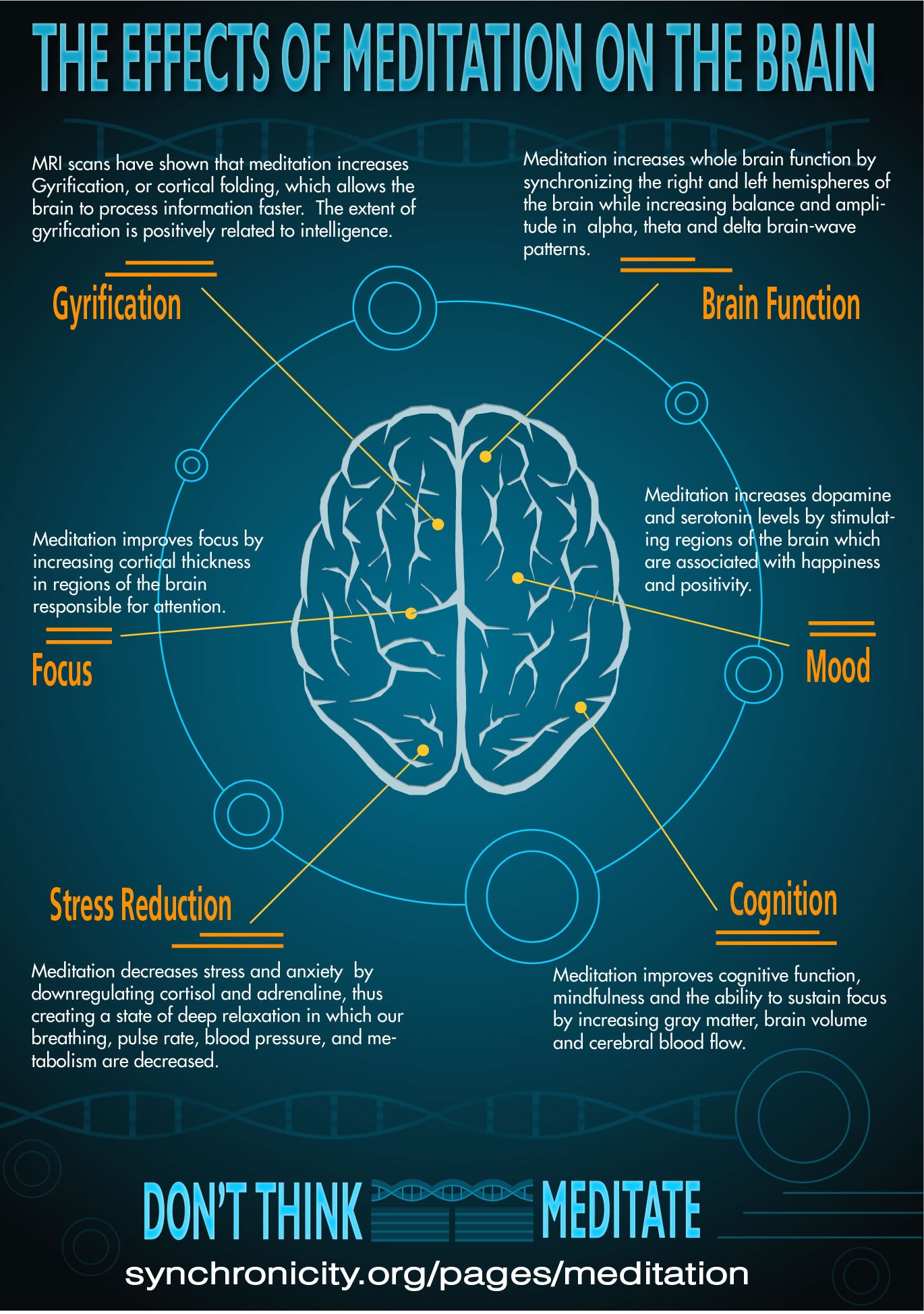
Image caption: Healthy routines gradually restore natural dopamine balance.
The good news is that the brain is remarkably adaptable. Dopamine systems can recover—but they need time and the right conditions. Evidence-based ways to support dopamine healing include:
-
Regular physical exercise, which naturally boosts dopamine sensitivity
-
Consistent sleep, allowing neurotransmitter repair
-
Mindfulness and stress reduction, calming dopamine-draining cortisol
-
Meaningful goals and routines, retraining the reward system
-
Social connection, a powerful and natural dopamine regulator
Recovery is not about forcing happiness—it’s about patiently rebuilding the brain’s ability to feel motivated and alive again.