
If your Dachshund suddenly refuses to go up or down stairs, hesitates before jumping, or freezes at the bottom step, this is not stubbornness. In Dachshunds, stair avoidance is a classic early warning sign of Intervertebral Disc Disease (IVDD)—a serious spinal condition that requires fast attention.
This article explains why Dachshunds avoid stairs, how IVDD presents, what to do right now, and when it becomes an emergency.
Why Stair Refusal Is a Big Deal for Dachshunds
Dachshunds have long backs and short legs, which puts extra stress on their spine. Even small movements—like stairs or jumping—can be painful when a disc is injured.
⚠️ Refusing stairs is often your dog’s way of avoiding pain, not defiance.
What Is IVDD (Intervertebral Disc Disease)?
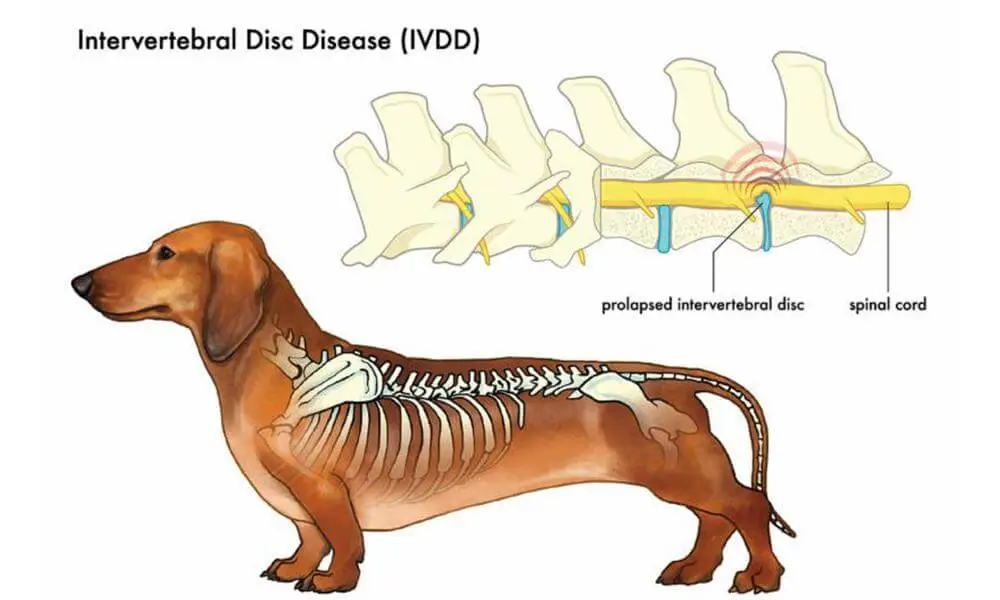
IVDD occurs when the cushioning discs between spinal vertebrae:
-
Bulge
-
Rupture
-
Press on the spinal cord
Dachshunds are one of the highest-risk breeds for IVDD.
Early Signs of IVDD
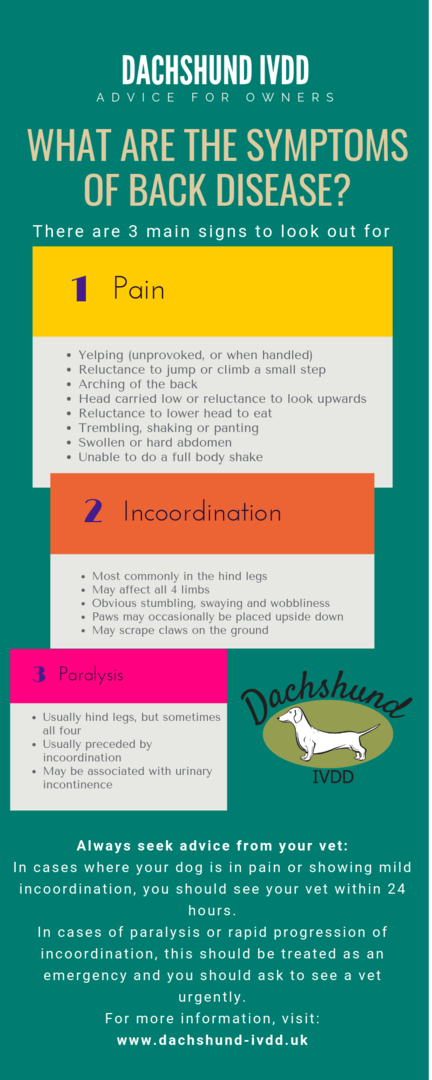
You may notice:
-
Refusal to use stairs or jump
-
Hesitation before moving
-
Hunched or arched back
-
Shaking or trembling
-
Yelping when picked up
-
Stiff walking or slow movement
These signs often appear before paralysis.
Advanced or Emergency Signs (GO NOW)

🚨 Seek emergency veterinary care immediately if your Dachshund:
-
Drags one or both back legs
-
Loses coordination
-
Knuckles over on paws
-
Loses bladder or bowel control
-
Cannot stand or walk
⏱️ Time is critical—early treatment can prevent permanent damage.
Other Reasons a Dachshund May Refuse Stairs
Not every case is IVDD, but all require attention:
-
Muscle strain or injury
-
Arthritis
-
Hip or knee pain
-
Nail or paw injuries
-
Fear after a slip or fall
The difference: IVDD symptoms often worsen quickly without rest.
What You Should Do RIGHT NOW
✅ Stop all stairs and jumping immediately
✅ Carry your dog when needed
✅ Restrict movement (crate rest if advised)
✅ Schedule a vet visit as soon as possible
❌ Do NOT “wait and see”
❌ Do NOT give human pain meds
❌ Do NOT force movement
How Vets Diagnose IVDD
Your vet may perform:
-
Neurological exam
-
X-rays (screening)
-
MRI or CT scan (definitive diagnosis)
Diagnosis helps determine whether conservative treatment or surgery is needed.
Treatment Options
Treatment depends on severity:
Conservative Management
-
Strict crate rest (weeks)
-
Pain and anti-inflammatory medication
-
Physical therapy (later)
Surgical Treatment
-
Emergency surgery for severe cases
-
Best outcomes when done early
Many dogs recover well with prompt, appropriate care.
Can IVDD Be Prevented?
You can reduce risk by:
-
Using ramps instead of stairs
-
Preventing jumping on/off furniture
-
Maintaining a healthy weight
-
Supporting the back when lifting
Final Takeaway
If your Dachshund refuses stairs, take it seriously. IVDD often starts with subtle signs—and ignoring them can lead to permanent paralysis.
🐾 When a Dachshund avoids movement, it’s usually pain—not attitude. Acting early can save their mobility.