
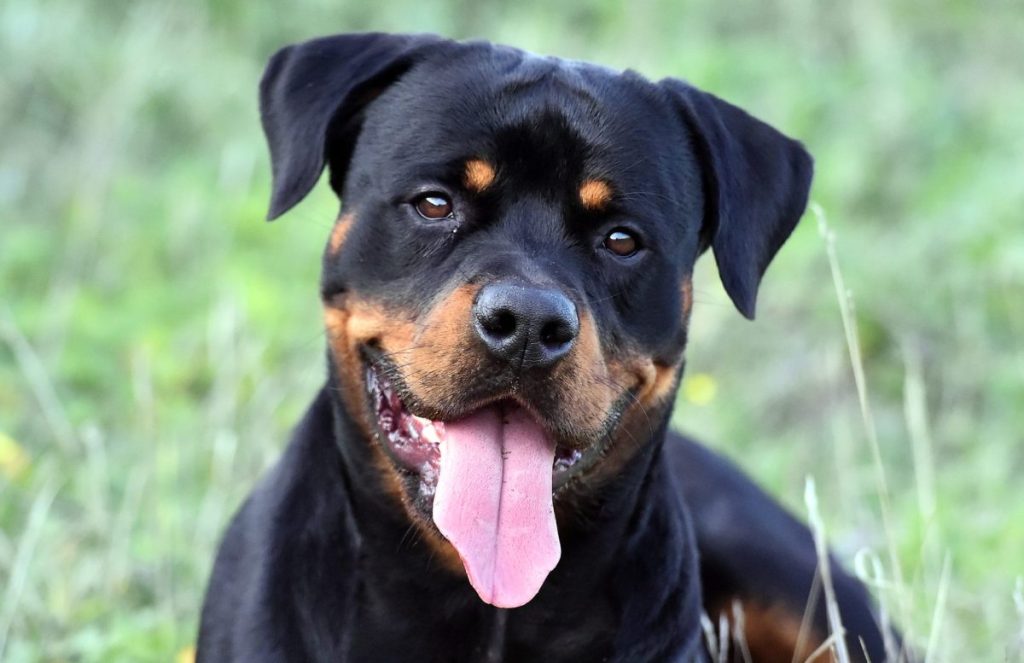
Rottweilers are powerful, muscular dogs—but heavy panting indoors, especially at rest, isn’t something to brush off. While panting is normal after exercise or excitement, persistent or intense panting inside the house can signal discomfort, overheating, pain, or an underlying medical issue.
This article explains why a Rottweiler may pant heavily indoors, what’s normal vs. concerning, and when to see a vet.
What Counts as “Heavy Panting”?
Heavy panting may look like:
-
Rapid, shallow breaths
-
Tongue hanging far out
-
Loud or labored breathing sounds
-
Panting while lying down or sleeping
-
Panting that doesn’t stop after rest
If this happens without heat, exercise, or excitement, it deserves attention.
Common Reasons Rottweilers Pant Heavily Indoors
1. Overheating or Heat Intolerance
Rottweilers are large, muscular dogs that retain heat.
-
Warm indoor temperatures
-
Poor ventilation
-
Thick coats or excess weight
Even indoors, they can overheat faster than expected.
2. Stress or Anxiety
Panting is a common stress signal.
-
Separation anxiety
-
Loud noises (storms, fireworks)
-
Changes in routine
Often accompanied by pacing, restlessness, or drooling.
3. Pain or Discomfort
Dogs frequently pant when in pain—even silently.
-
Joint or hip pain
-
Arthritis
-
Abdominal discomfort
Rottweilers are stoic and may not whine or limp.
4. Heart or Lung Problems
⚠️ A serious possibility
-
Heart disease
-
Fluid in the lungs
-
Reduced oxygen efficiency
Panting may worsen at night or when lying down.
5. Hormonal or Medical Conditions
Conditions such as:
-
Cushing’s disease
-
Fever or infection
-
Medication side effects (like steroids)
can all cause excessive panting.
What’s Normal vs. NOT Normal
Usually Normal
✔ Panting after play or excitement
✔ Panting that stops quickly with rest
✔ Mild panting on warm days
NOT Normal (Red Flags)

🚨 Panting that:
-
Happens at rest indoors
-
Persists for long periods
-
Comes with lethargy or weakness
-
Is paired with coughing or collapse
-
Shows pale, blue, or dark gums
➡️ These signs require urgent veterinary care.
What You Can Do Right Now
✅ Cool the room (fans or AC)
✅ Offer fresh water
✅ Encourage calm rest
✅ Check gums (should be pink, not pale or blue)
✅ Note when panting occurs (time, triggers, duration)
❌ Do NOT give human medications
❌ Do NOT ignore repeated episodes
When to See the Vet
Schedule a vet visit if:
-
Panting is frequent or worsening
-
It occurs daily indoors
-
Your Rottweiler is middle-aged or older
-
Other symptoms appear (coughing, appetite loss)
Your vet may perform:
-
Physical exam
-
Blood work
-
Chest X-rays
-
Heart testing
Early diagnosis can be life-saving.
How This Is Treated
Treatment depends on the cause:
-
Cooling and weight management
-
Pain relief or arthritis management
-
Anxiety treatment or behavior support
-
Heart or hormone medications
Many dogs improve significantly once the root cause is addressed.
Final Takeaway
Heavy panting indoors isn’t something to ignore—especially in a Rottweiler. While heat or stress can be harmless causes, persistent panting is often your dog’s only way of saying something isn’t right.
🐾 If panting feels excessive to you, trust that instinct and get it checked.