
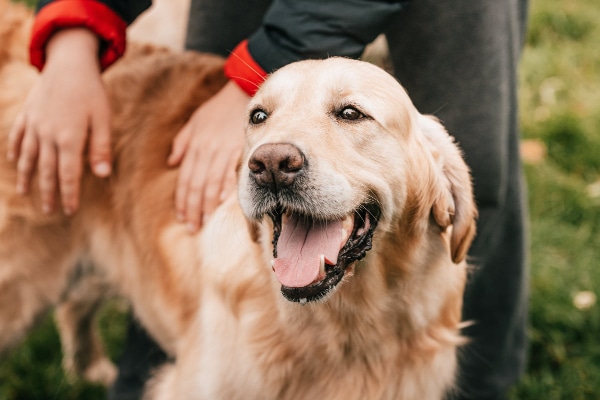
If your dog is breathing rapidly while resting, lying down, or sleeping, it can be unsettling—especially when there’s no heat, exercise, or excitement involved. While occasional changes in breathing can be harmless, persistent fast breathing at rest is often a red flag that something isn’t right.
This article explains what fast breathing looks like, common causes, when it’s serious, and what you should do next.
What Counts as “Fast Breathing” in Dogs?
A healthy, relaxed dog typically breathes:
-
10–30 breaths per minute at rest
Fast breathing (tachypnea) may look like:
-
Rapid chest or belly movement
-
Shallow, quick breaths
-
Breathing with the mouth open while resting
-
Breathing that doesn’t slow down after calming
👉 If your dog is consistently above 30 breaths per minute at rest, it deserves attention.
Common Reasons Dogs Breathe Fast at Rest

1. Stress or Anxiety
Dogs may breathe fast when they’re anxious—even while lying down.
-
Pacing before resting
-
Wide eyes, tense body
-
Panting without heat
Common triggers include noise, separation anxiety, or household changes.
2. Pain or Discomfort
Dogs often breathe faster when in pain, even if they don’t cry or limp.
-
Arthritis
-
Abdominal pain
-
Injury or internal discomfort
Pain-related breathing is often paired with restlessness or difficulty settling.
3. Heat or Poor Cooling
Even indoors, dogs can overheat due to:
-
Warm rooms or poor ventilation
-
Thick coats or excess weight
-
Short-nosed (brachycephalic) breeds
Panting may continue even while resting.
4. Fever or Infection
Fever increases breathing rate.
-
Lethargy
-
Reduced appetite
-
Warm ears or nose
This requires veterinary evaluation.
5. Heart or Lung Disease (SERIOUS)
⚠️ One of the most important causes to rule out.
-
Heart disease
-
Fluid in the lungs
-
Pneumonia or asthma
Fast breathing is often worse when lying down or at night.
6. Anemia or Metabolic Issues
Low oxygen delivery forces faster breathing.
-
Pale gums
-
Weakness
-
Collapse in severe cases
When Fast Breathing Is an Emergency
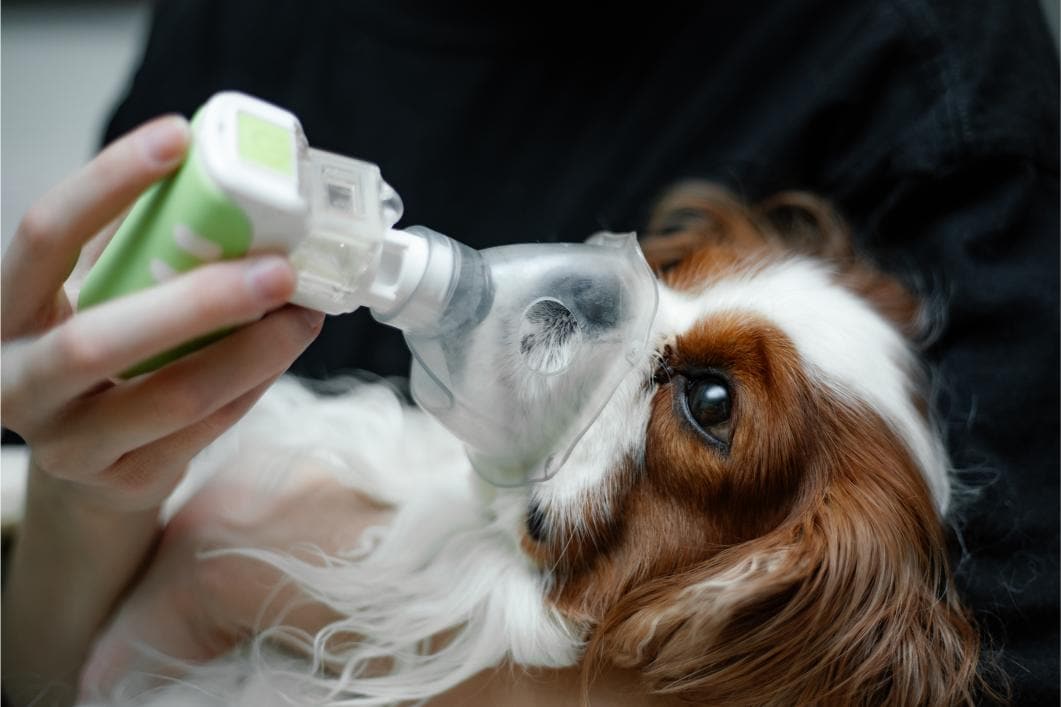
🚨 Seek urgent veterinary care if your dog:
-
Breathes fast even when asleep
-
Has labored or noisy breathing
-
Uses belly muscles heavily to breathe
-
Has blue, pale, or gray gums
-
Collapses or becomes extremely lethargic
⏱️ Breathing problems can escalate very quickly.
What You Can Do Right Now
-
Count breaths per minute while your dog is asleep
-
Cool the environment (fan or AC)
-
Keep your dog calm and still
-
Check gum color (should be pink)
-
Note timing and triggers (night, after meals, stress)
❌ Do NOT give human medications
❌ Do NOT ignore repeated episodes
How Vets Diagnose Fast Breathing
Your vet may recommend:
-
Physical exam
-
Chest X-rays
-
Blood work
-
Heart testing
-
Oxygen level assessment
Early diagnosis often makes treatment far more effective.
Treatment Depends on the Cause
-
Anxiety: behavior support, calming strategies
-
Pain: pain management and treatment
-
Heat: cooling and weight management
-
Heart/lung disease: targeted medication and monitoring
-
Infection: antibiotics or supportive care
Many dogs improve quickly once the underlying issue is addressed.
Final Takeaway
Fast breathing while resting is not something to ignore. While stress or heat can be mild causes, persistent or unexplained rapid breathing often signals pain, illness, or heart/lung problems.
🐾 When breathing doesn’t slow with rest, it’s time to pay attention. Trust your instincts and get it checked.