




Introduction
For many people in recovery, the day can feel manageable—structured routines, responsibilities, and distractions help keep cravings at bay. But as evening approaches, something shifts. The quiet hours after sunset often become the most dangerous time for relapse. Understanding why evenings are so vulnerable is a critical step toward staying sober and building long-term recovery.
Why Evenings Trigger Stronger Cravings

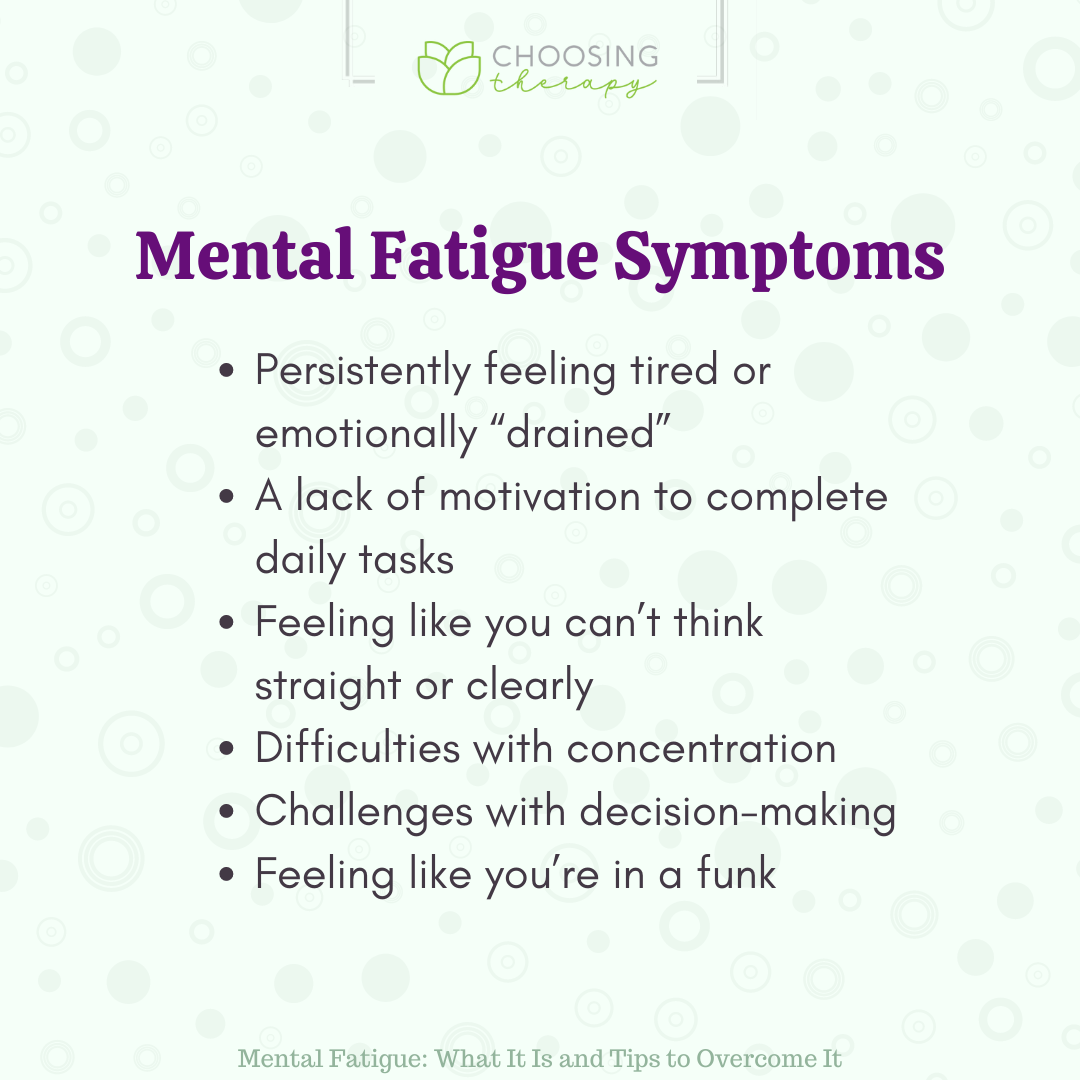
1. Mental and Emotional Fatigue
By evening, self-control is depleted. After a full day of decision-making, stress, and emotional regulation, the brain is simply tired. Willpower weakens, making old habits feel more tempting and harder to resist.
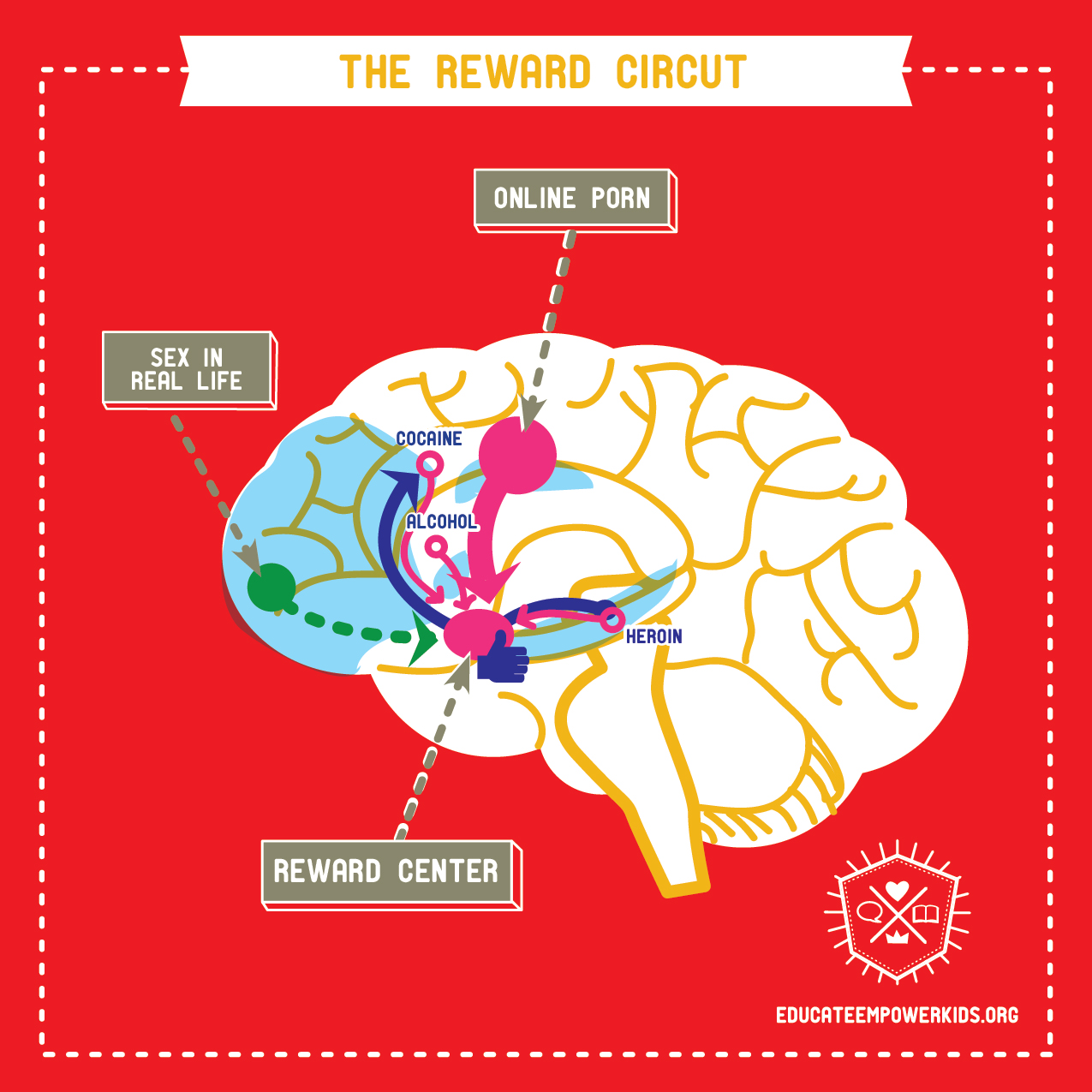
2. Dopamine Drops at Night
Substances artificially boost dopamine—the brain’s reward chemical. In the evening, natural dopamine levels often dip, especially in early recovery. This creates an emotional low that the brain remembers was once “fixed” by alcohol or drugs.
3. Fewer Distractions, Louder Thoughts
During the day, work, family, and activity keep the mind busy. At night, silence amplifies internal dialogue. Regret, shame, loneliness, and anxiety surface—emotions that were previously numbed by substances.
The Role of Routine and Habit Memory


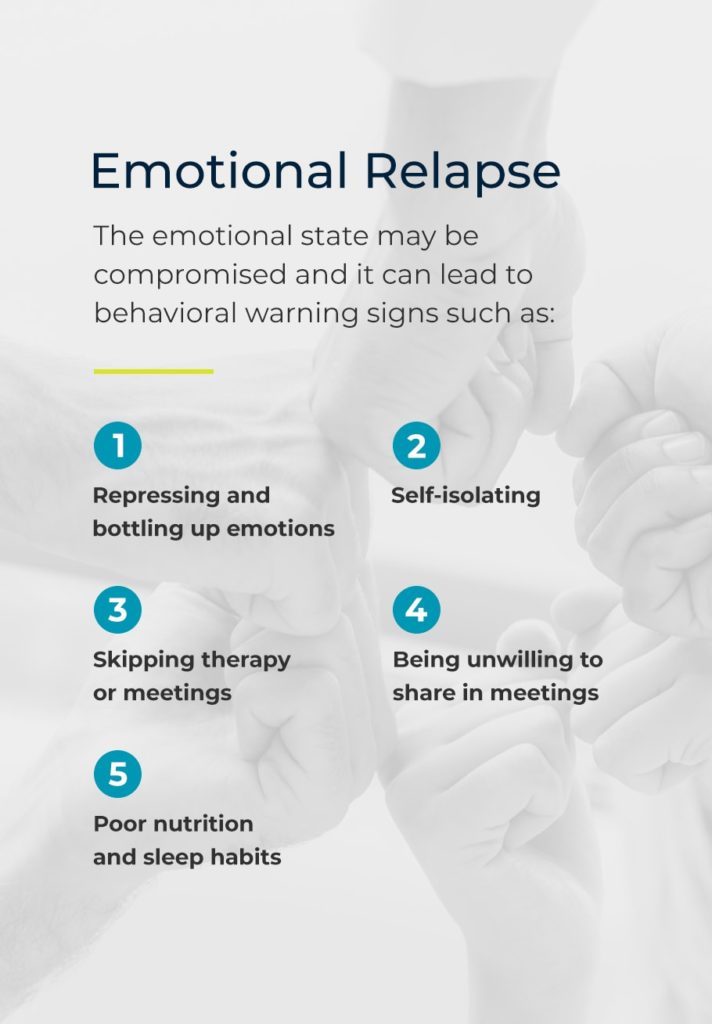
For many, substance use was an evening ritual:
-
A drink after work
-
Getting high before bed
-
Using to “relax” or fall asleep
The brain strongly links nighttime with reward and relief. Even months into recovery, this habit memory can activate automatically, creating cravings that feel sudden and overwhelming.
Loneliness Hits Harder After Dark


Evenings often highlight what’s missing—connection, purpose, companionship. Social supports may be unavailable, and many recovery programs end by late afternoon. This isolation can fuel thoughts like:
-
“One time won’t hurt.”
-
“I deserve relief.”
-
“No one will know.”
These thoughts are powerful relapse accelerators.
Why Sleep Problems Make It Worse
Insomnia and restless sleep are common in recovery. As bedtime approaches, anxiety about not sleeping can trigger cravings. The brain remembers substances as a shortcut to unconsciousness—even though they ultimately damage sleep quality.
How to Protect Yourself During Evenings


1. Create a Structured Evening Routine
Predictability reduces cravings. Plan your evenings hour-by-hour with safe, calming activities.
2. Eat Regularly
Low blood sugar mimics anxiety and cravings. A balanced dinner or healthy snack can significantly reduce urge intensity.
3. Replace the Old Ritual
Swap substance-related habits with new signals of safety:
-
Herbal tea instead of alcohol
-
A walk instead of using
-
A shower, book, or calming music before bed
4. Stay Connected
Schedule evening check-ins with a sponsor, friend, or support group. Cravings lose power when spoken out loud.
5. Prepare for Cravings—Don’t Be Surprised by Them
Expect urges at night. When they come, remind yourself: “This is my brain healing, not a command I must obey.”
A Powerful Truth to Remember
Cravings intensify in the evening not because you are weak, but because your brain is still learning how to live without substances. Each night you make it through strengthens new neural pathways—and weakens the old ones.