
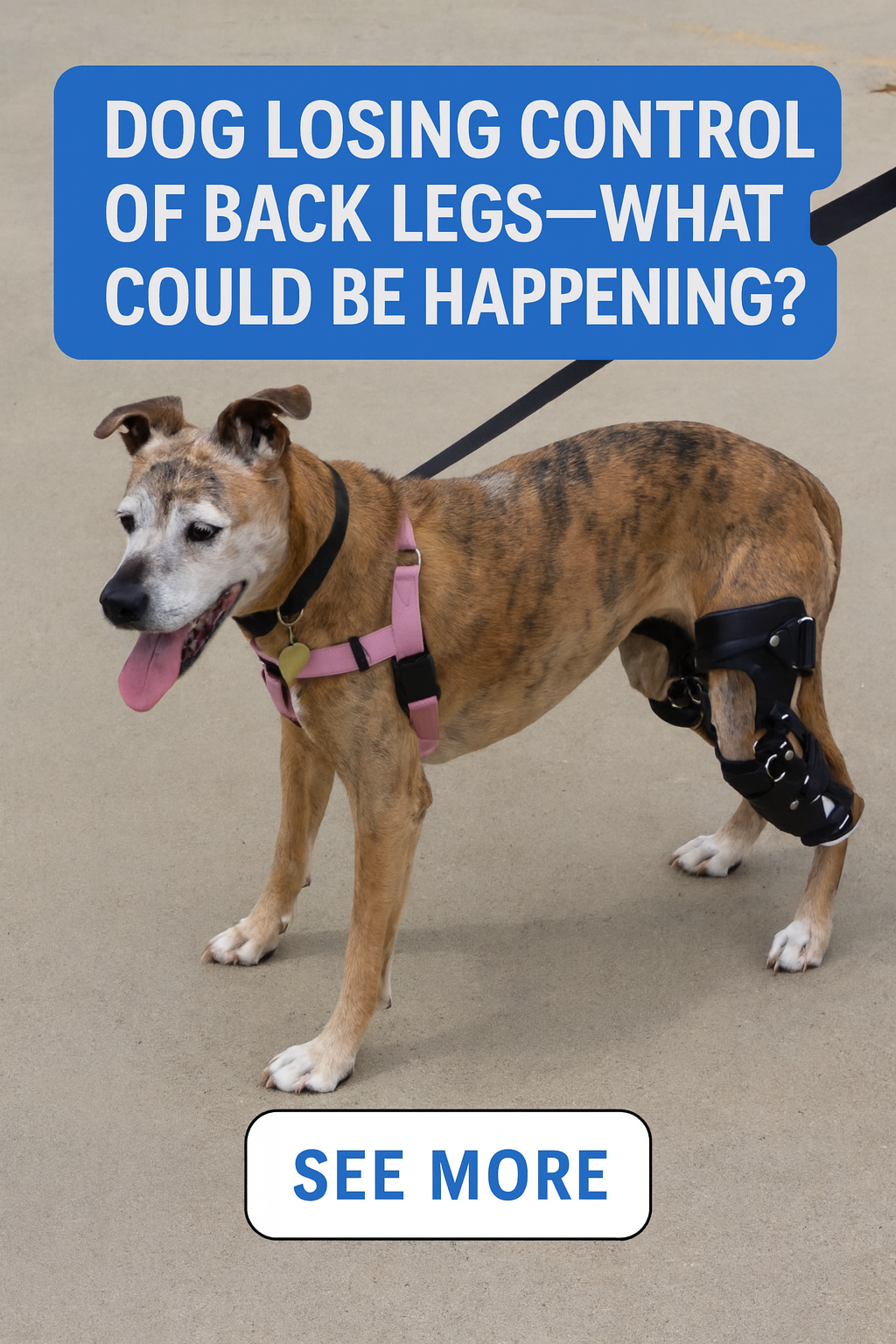
Seeing your dog lose control of their back legs—slipping, wobbling, collapsing, or suddenly dragging their hind end—is frightening. This is not a normal sign of aging and often indicates a serious neurological, spinal, or orthopedic problem that needs prompt attention.
This article explains what loss of back-leg control looks like, the most common causes, when it’s an emergency, and what you should do immediately.
What Does “Losing Control of Back Legs” Look Like?
You may notice your dog:
-
Knuckling over on the back paws
-
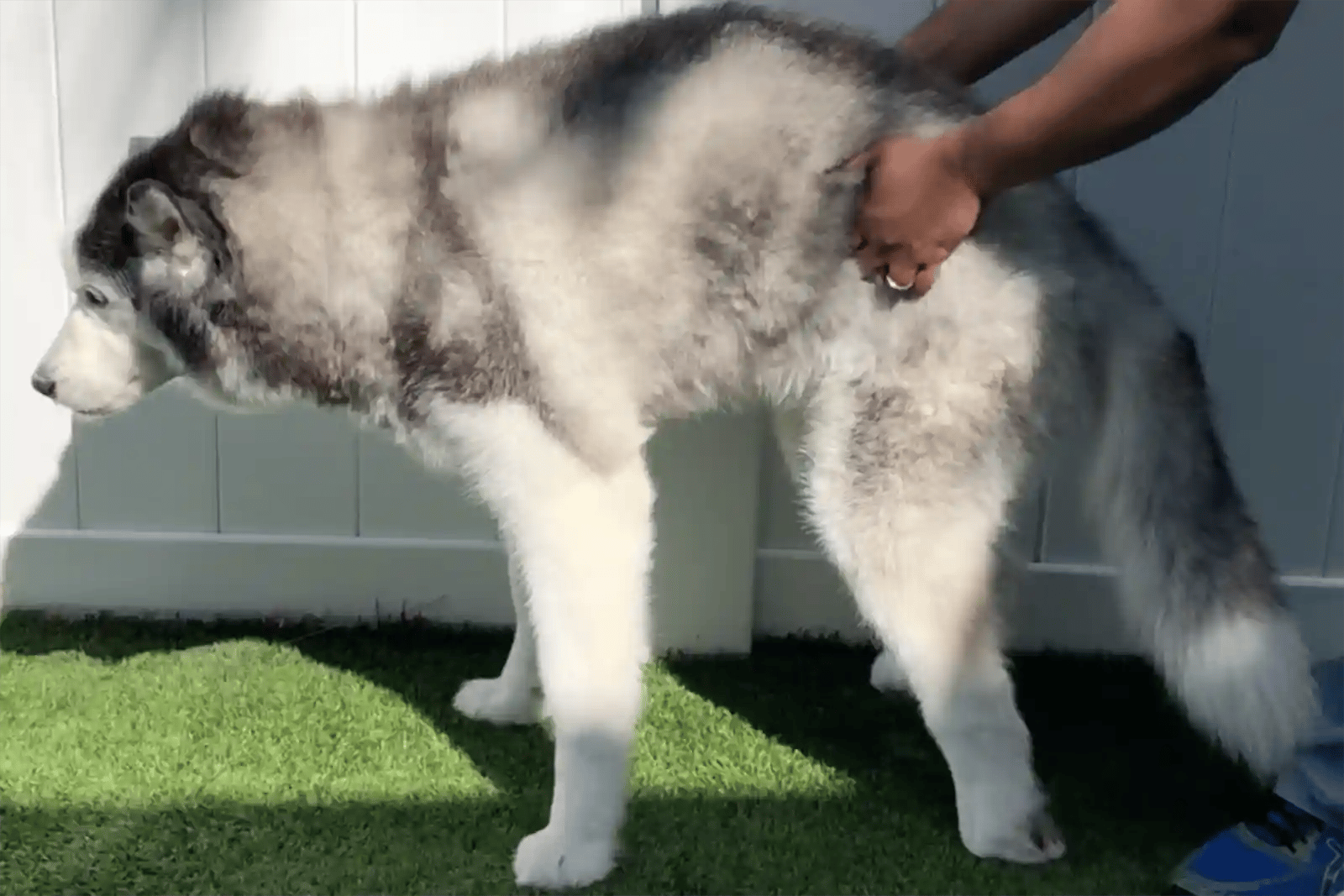
Dragging one or both hind legs
-
Crossing or scuffing the rear feet
-
Swaying or collapsing while walking
-
Struggling to stand up or sit properly
-
Losing balance suddenly
These signs may appear gradually or suddenly, and both scenarios are important.
Most Common Causes of Back-Leg Control Loss
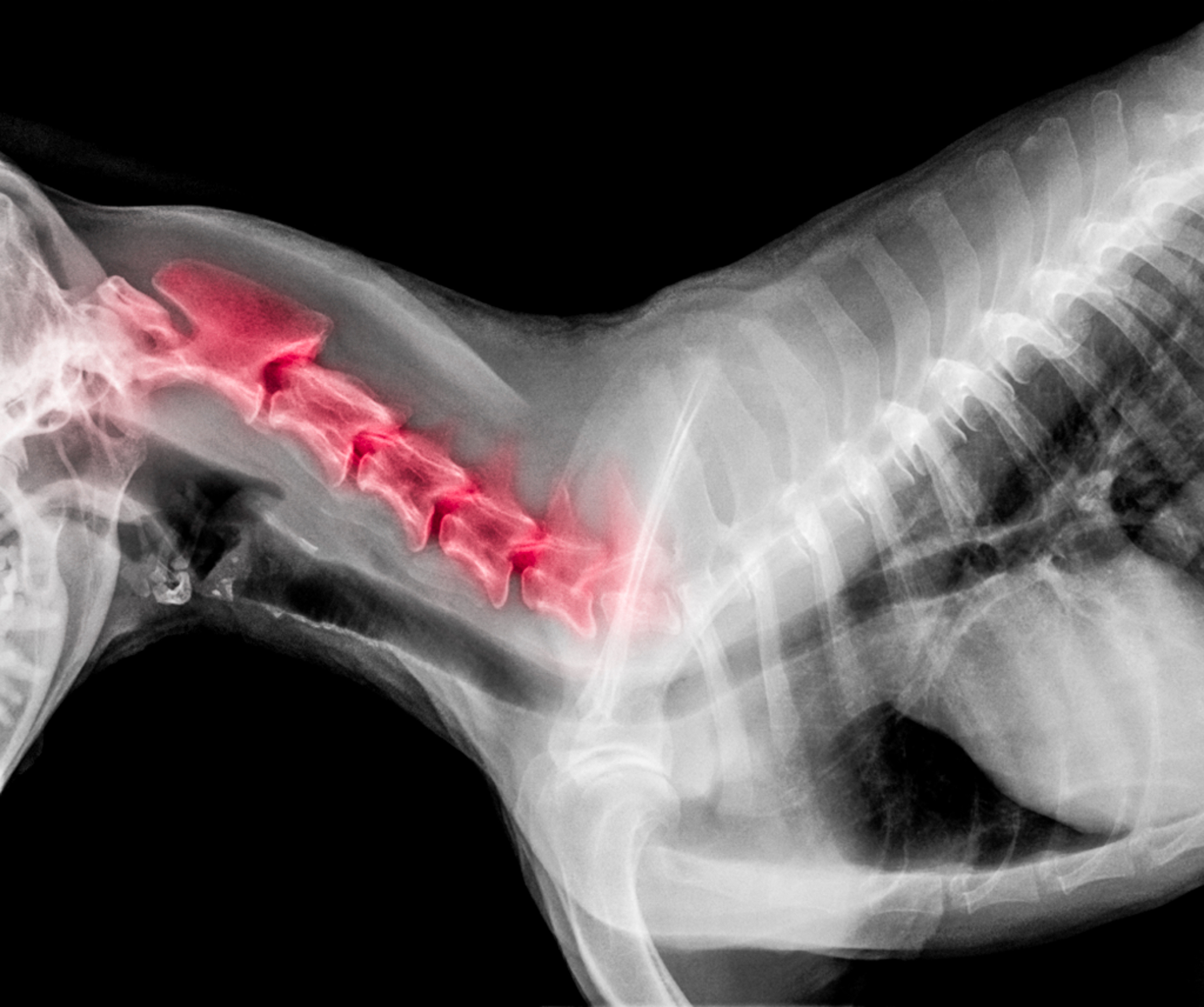
1. Spinal Cord Injury or Compression
⚠️ Very serious
-
Intervertebral Disc Disease (IVDD)
-
Herniated or ruptured discs
-
Trauma (jumping, falls, accidents)
Compression of the spinal cord interferes with signals to the legs, causing weakness or paralysis.
2. Degenerative Myelopathy (DM)
Common in senior dogs (especially German Shepherds).
-
Progressive, painless loss of coordination
-
Dragging hind legs
-
Worsens over weeks to months
While not painful, it is progressive and requires management planning.
3. Neurological Conditions
Includes:
-
Spinal tumors
-
Strokes
-
Inflammatory diseases
-
Nerve damage
Often accompanied by sudden changes or one-sided weakness.
4. Severe Arthritis or Hip Disease
Advanced joint disease can:
-
Limit movement
-
Cause collapse due to weakness or pain
-
Mimic neurological problems
5. Toxins or Metabolic Disorders
Less common but urgent:
-
Certain toxins
-
Low potassium or blood sugar
-
Severe infections
These often come with systemic symptoms like lethargy or vomiting.
When This Is an Emergency

🚨 Go to an emergency vet IMMEDIATELY if your dog:
-
Suddenly cannot stand or walk
-
Loses bladder or bowel control
-
Shows rapid worsening over hours
-
Cries out in pain
-
Has trauma or injury history
⏱️ Timing is critical—especially for spinal conditions. Early treatment can prevent permanent paralysis.
What You Should Do RIGHT NOW
-
Restrict movement immediately (no walking, stairs, or jumping)
-
Support the rear end with a towel or harness if needed
-
Keep your dog calm and warm
-
Seek veterinary or emergency care as soon as possible
❌ Do NOT give human pain medication
❌ Do NOT “wait and see” if symptoms are progressing
How Vets Diagnose Loss of Back-Leg Control
Your veterinarian may perform:
-
Neurological exam
-
X-rays or advanced imaging (MRI/CT)
-
Blood tests
-
Genetic testing (for DM)
Correct diagnosis determines whether surgery, medication, or long-term management is needed.
Treatment Options (Depend on the Cause)
-
Emergency surgery (for disc herniation)
-
Medications to reduce inflammation and pain
-
Physical therapy and rehabilitation
-
Mobility aids (harnesses, carts)
-
Supportive care for degenerative diseases
Many dogs regain function when treated early.
Can Dogs Recover From This?
Yes—many can, especially if treated quickly.
-
Disc issues often improve with surgery or strict rest
-
Some neurological injuries recover partially or fully
-
Degenerative conditions can be managed to maintain quality of life
The outcome depends heavily on speed of diagnosis and care.
Final Takeaway
If your dog is losing control of their back legs, this is a medical emergency until proven otherwise. Whether it’s a spinal injury, neurological disease, or severe joint problem, fast action can mean the difference between recovery and permanent disability.
🐾 Your dog can’t tell you what’s wrong—but their legs are. Trust what you’re seeing and act immediately.