



Introduction
Not all depression looks like sadness. Some people laugh, work hard, socialize, and appear “fine” on the outside—while silently struggling inside. This is known as masked depression, a hidden form of depression that often goes unnoticed. When alcohol enters the picture, it can become a dangerous coping mechanism, quietly deepening emotional pain instead of relieving it.
What Is Masked Depression?


Masked depression occurs when a person suppresses or hides depressive symptoms, often without fully realizing it themselves. Instead of openly expressing sadness, they may show:
-
Constant busyness or perfectionism
-
Irritability instead of tears
-
Humor used to deflect serious emotions
-
Physical symptoms like headaches, fatigue, or sleep problems
Because these individuals continue functioning, their depression is frequently overlooked—by others and by themselves.
Why Alcohol Becomes the Silent Escape


Alcohol is often used not to “party,” but to quiet the mind. For people with masked depression, drinking can feel like:
-
Temporary emotional relief
-
A way to relax after holding it together all day
-
A shortcut to sleep or numbness
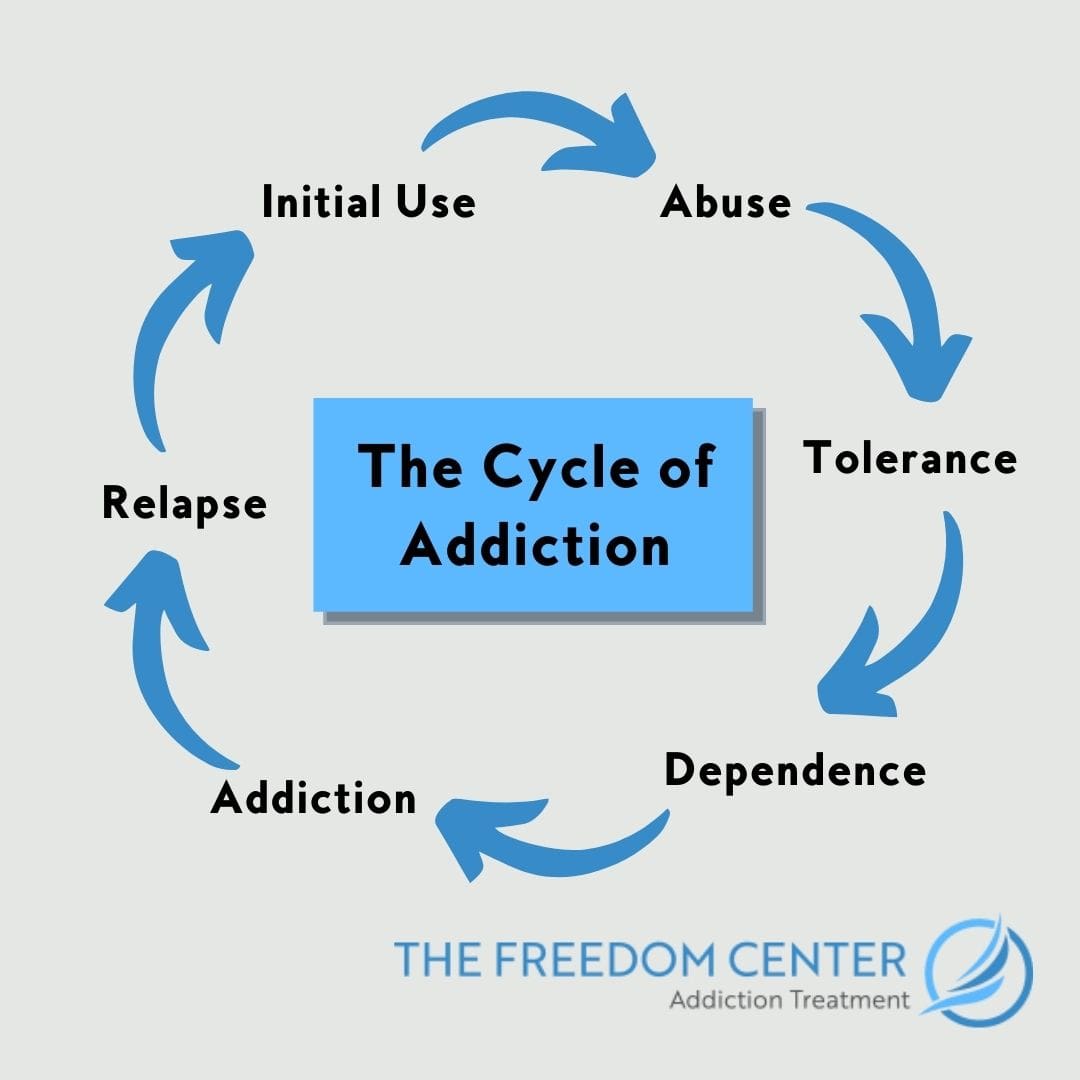
At first, alcohol seems helpful. But over time, it disrupts brain chemistry, worsens mood regulation, and intensifies depressive symptoms—creating a vicious cycle of drinking to escape pain that alcohol itself amplifies.
How Masked Depression and Alcohol Misuse Reinforce Each Other


-
Alcohol lowers serotonin and dopamine, increasing emotional lows the next day
-
Hangxiety (post-drinking anxiety) fuels shame and self-criticism
-
Emotional suppression leads to increased reliance on alcohol
-
Tolerance grows, requiring more alcohol for the same numbing effect
What begins as “just a drink to unwind” can slowly become emotional dependence.
Signs You Might Be Dealing With Masked Depression


You may want to look closer if you or someone you know:
-
Drinks to cope rather than to enjoy
-
Feels empty, numb, or disconnected despite appearing successful
-
Struggles with sleep even when exhausted
-
Feels emotionally worse after drinking—but keeps doing it
-
Avoids talking about feelings or minimizes their own pain
Masked depression doesn’t mean the pain is smaller—it means it’s buried deeper.
Why This Combination Is Especially Dangerous
Because masked depression hides behind normalcy, help is often delayed. Alcohol misuse can escalate quietly, increasing the risk of:
-
Severe depressive episodes
-
Alcohol dependence
-
Impulsive behavior
-
Self-harm or suicidal thoughts
Many people reach crisis points not because they were “suddenly depressed,” but because they were silently overwhelmed for years.
Healing Starts With Awareness and Honesty
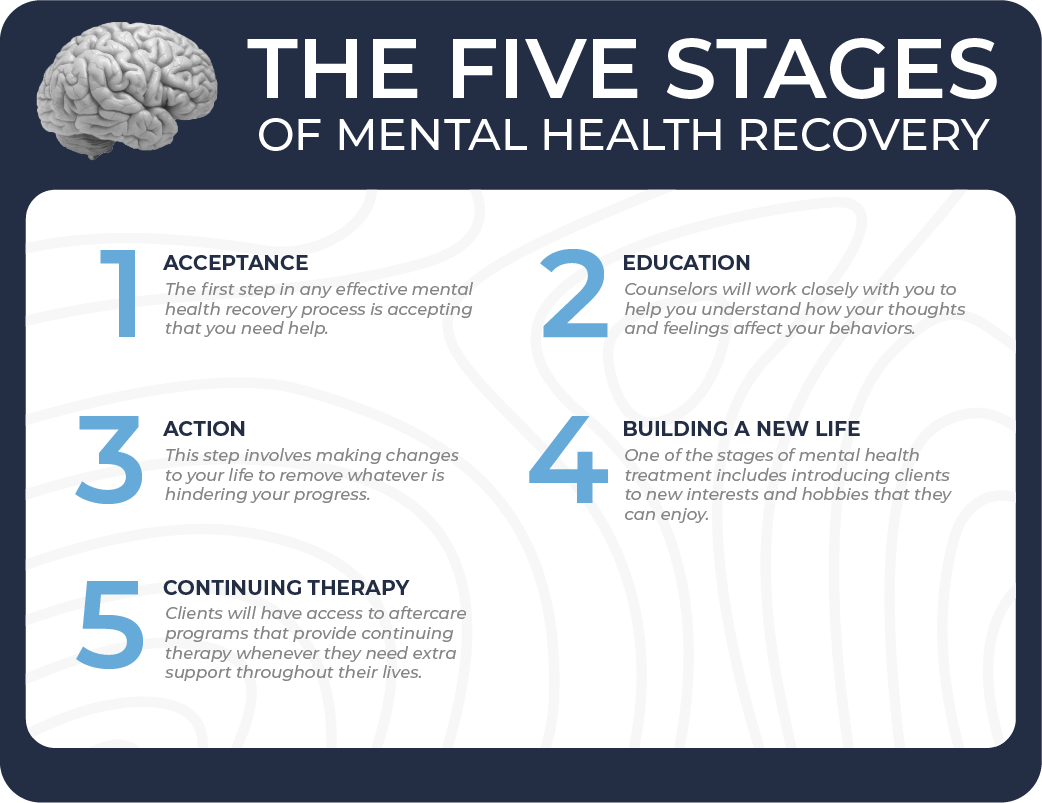


Recovery doesn’t begin with quitting alcohol alone—it begins with acknowledging emotional pain. Helpful steps include:
-
Talking to a mental health professional
-
Exploring healthier emotional outlets
-
Building routines that support mood regulation
-
Reducing or eliminating alcohol use
-
Learning that vulnerability is not weakness
You don’t need to look broken to deserve help.
A Truth Worth Remembering
Masked depression and alcohol misuse thrive in silence. The moment pain is named, shared, and understood—it loses its power.
Thumbnail Suggestion (For Facebook / Blog)


Thumbnail Text Overlay (Bold):
“Masked Depression & Alcohol Misuse”
Subtext (smaller): When Coping Becomes the Problem