
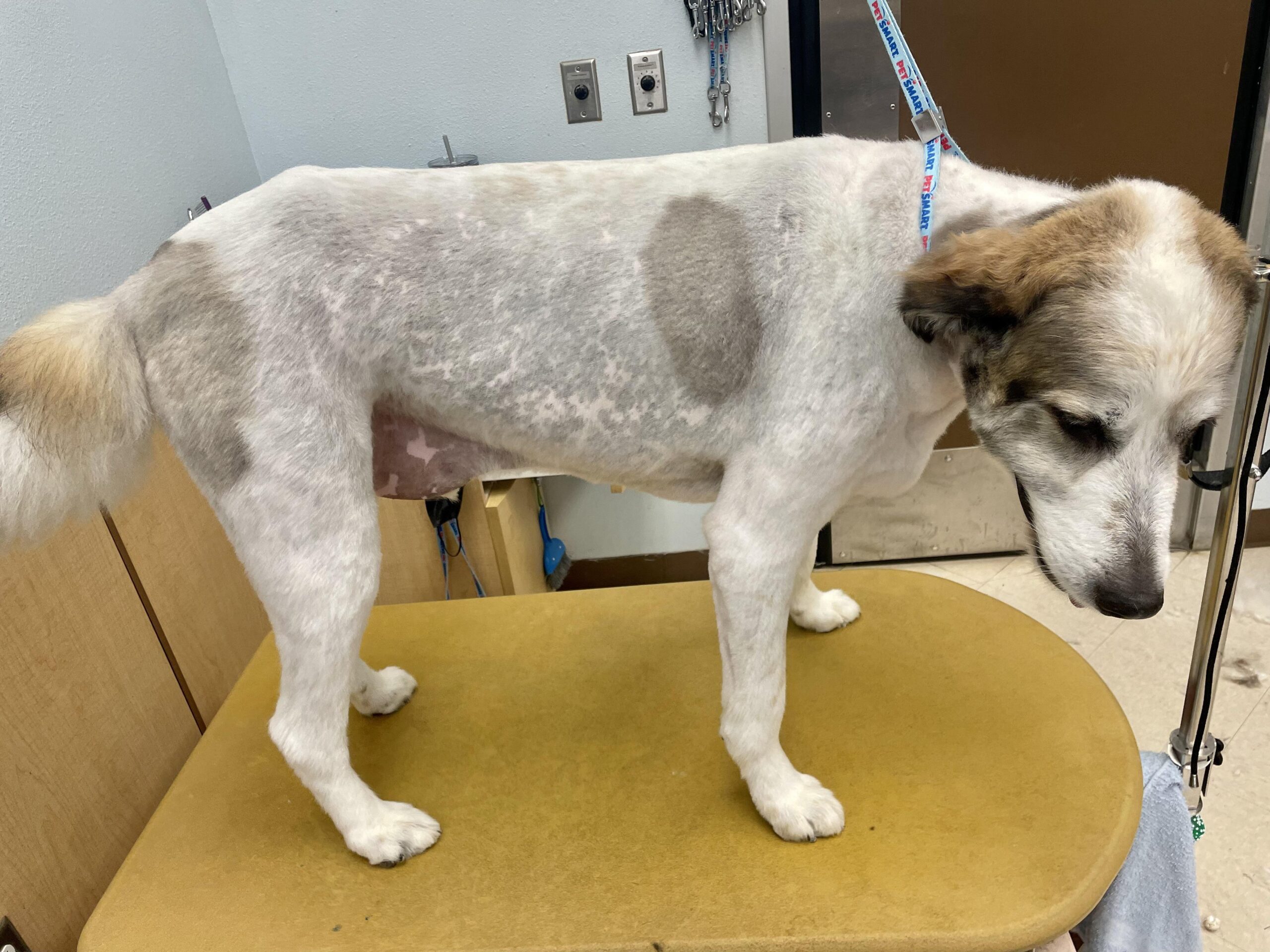
You shaved your dog for grooming, surgery, or summer comfort—but weeks or even months later, the hair still hasn’t grown back. This can be worrying, especially when the skin looks thin, patchy, or different from before.
In many cases, slow regrowth is harmless. But sometimes, hair not growing back after shaving is a sign of an underlying skin or hormonal issue.
This article explains why dog hair may fail to regrow, what’s normal vs. concerning, and what you should do next.
How Long Should Dog Hair Take to Grow Back?
Normal regrowth depends on coat type:
-
Short-haired breeds: 4–8 weeks
-
Double-coated breeds: 2–6 months
-
Long-haired breeds: 1–3 months
👉 If there’s little to no regrowth after 3–4 months, it’s time to investigate.
Common Reasons Hair Doesn’t Grow Back After Shaving
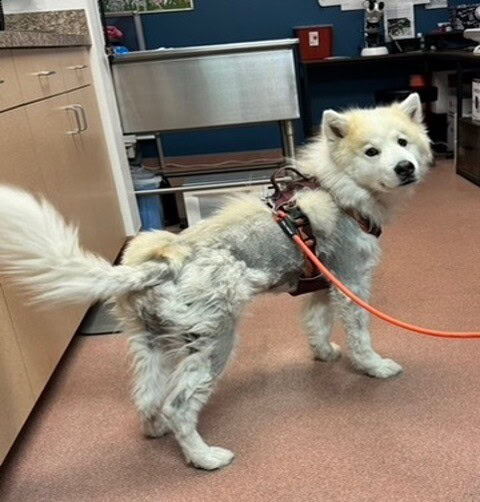
1. Post-Clipping Alopecia
Very common, especially in:
-
Nordic and double-coated breeds (Husky, Pomeranian, Chow)
-
Older dogs
Hair follicles enter a “resting phase” and stop producing hair.
-
Skin often looks smooth or darker
-
Hair may eventually regrow—but very slowly
2. Hormonal Imbalances
⚠️ A major cause of poor regrowth.
Common conditions include:
-
Hypothyroidism
-
Cushing’s disease
Signs may include:
-
Symmetrical hair loss
-
Darkened or thin skin
-
Weight changes
-
Lethargy
3. Skin Trauma or Inflammation
-
Surgical irritation
-
Clip burn from dull blades
-
Excessive licking or scratching
Damaged follicles may take longer to recover.
4. Poor Nutrition
Hair growth requires:
-
Protein
-
Fatty acids
-
Vitamins and minerals
Deficiencies can slow or stop regrowth entirely.
5. Age-Related Changes
Senior dogs often experience:
-
Slower cell turnover
-
Thinner skin
-
Reduced hair regeneration
6. Chronic Infection or Skin Disease
-
Yeast or bacterial infections
-
Allergic dermatitis
These conditions disrupt normal hair cycles.
What’s Normal vs. NOT Normal
Likely Normal
✔ Hair slowly coming back unevenly
✔ Skin looks healthy (pink, not inflamed)
✔ No itching, redness, or odor
Red Flags

🚨 See a vet if:
-
No regrowth after 3–4 months
-
Skin becomes dark, thickened, or shiny
-
Hair loss spreads beyond shaved area
-
Dog shows lethargy, weight gain, or behavior changes
-
Recurrent skin infections appear
What You Can Do Right Now
✅ Be patient—avoid re-shaving
✅ Feed a high-quality, balanced diet
✅ Keep skin clean and moisturized (vet-approved products)
✅ Prevent excessive licking or scratching
✅ Track changes with photos every few weeks
❌ Don’t apply human hair products
❌ Don’t over-bathe
❌ Don’t assume it’s “just cosmetic” if it persists
How Vets Diagnose Poor Hair Regrowth
Your veterinarian may recommend:
-
Skin exam and cytology
-
Blood tests (thyroid, cortisol)
-
Nutritional review
-
Skin biopsy (rare cases)
Identifying the cause is key to restoring regrowth.
Can Hair Grow Back Eventually?
Yes—many dogs do regrow hair, especially once the underlying issue is addressed.
However, in some hormonal or follicular conditions, regrowth may be:
-
Very slow
-
Incomplete
-
Different in texture or color
Early intervention gives the best chance for recovery.
Final Takeaway
Hair not growing back after shaving isn’t always serious—but it’s not something to ignore if it persists. Whether it’s post-clipping alopecia, hormones, nutrition, or skin disease, your dog’s coat is often reflecting their internal health.
🐾 When fur doesn’t return, it’s your dog’s skin asking for a closer look.