
If your senior dog seems confused at times—wandering aimlessly, staring at walls, getting stuck in corners, or acting “lost” in familiar places—you’re not alone. These moments can be subtle at first, come and go, and be easy to dismiss as “just aging.” But intermittent confusion can also be an early sign of Canine Cognitive Dysfunction (CCD), often called dog dementia.
This article explains what senior-dog confusion looks like, how to tell normal aging from dementia, other conditions that can mimic it, and what you can do to help.
What Does “Confusion” in Senior Dogs Look Like?
You might notice your dog:
-
Pauses and stares into space or at walls
-
Gets stuck behind furniture
-
Wanders or paces, especially at night
-
Seems disoriented after waking up
-
Forgets learned routines or commands
-
Appears anxious or needy for reassurance
These signs often fluctuate—some days are better than others.
Is This Normal Aging or Dementia?
A little slowing down is normal with age. Persistent or progressive confusion is not. Dementia tends to worsen gradually and affect daily life.
A helpful checklist vets use is DISHA:
-
Disorientation (lost, stuck, staring)
-
Interaction changes (withdrawn or clingy)
-
Sleep–wake changes (up at night, sleepy by day)
-
House-soiling (accidents indoors)
-
Activity changes (less interest, aimless pacing)
If you recognize multiple DISHA signs, CCD becomes more likely.
Common Causes of Confusion in Senior Dogs
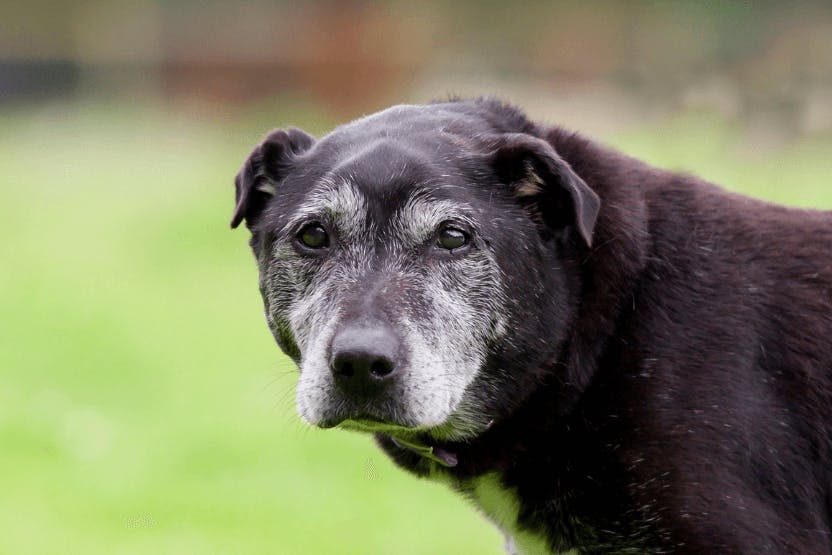
1. Canine Cognitive Dysfunction (Dog Dementia)
⚠️ Most common cause
-
Gradual brain changes affect memory and awareness
-
Often worse at night (“sundowning”)
-
Progresses slowly but steadily
Early recognition makes management more effective.
2. Pain or Physical Discomfort
Pain can make dogs restless or confused.
-
Arthritis, hip/back pain
-
Dental pain
-
Abdominal discomfort
Dogs may appear “lost” because they can’t settle comfortably.
3. Vision or Hearing Loss
Reduced senses can cause disorientation—especially in low light.
-
Bumping into objects
-
Startling easily
-
Hesitation in familiar spaces
Your dog may seem confused when they’re actually not seeing or hearing clearly.
4. Medical Conditions That Mimic Dementia
Several illnesses can cause confusion-like behavior:
-
Kidney or liver disease
-
Thyroid disorders
-
Infections
-
Medication side effects
These must be ruled out before diagnosing CCD.
When Confusion Is a Red Flag
🚨 Contact your vet promptly if your dog:
-
Has sudden or rapidly worsening confusion
-
Circles to one side only
-
Has seizures, head tilt, or loss of balance
-
Becomes very lethargic or stops eating
-
Shows dramatic personality changes
Sudden changes may indicate neurological or metabolic emergencies.
What You Can Do Right Now
Support Orientation & Calm
✅ Keep a consistent daily routine
✅ Use night lights in hallways and rooms
✅ Avoid rearranging furniture
✅ Provide a quiet, familiar sleeping area
Reduce Anxiety
✅ Gentle reassurance and calm voice
✅ Soft background noise at night
✅ Short, predictable walks
Track Changes
✅ Keep a simple journal of behaviors
✅ Note timing (night vs. day), triggers, and frequency
How Vets Diagnose Dementia
Your veterinarian will:
-
Perform a senior wellness exam
-
Rule out pain and medical causes (bloodwork)
-
Assess hearing, vision, and neurological function
-
Diagnose CCD based on patterns and progression
There’s no single test—diagnosis is clinical and careful.
Can Dog Dementia Be Treated?
While it can’t be cured, it can often be managed:
-
Medications that support brain function
-
Prescription diets or supplements
-
Pain control (if present)
-
Environmental enrichment and routine
Many dogs show meaningful improvement in comfort and sleep with a tailored plan.
Final Takeaway
If your senior dog is confused sometimes, don’t brush it off. Occasional confusion may be mild or temporary—but repeated, progressive confusion is often your dog’s way of telling you their brain or body needs support.
🐾 Early recognition and gentle care can make your dog’s golden years calmer, safer, and more comfortable.