
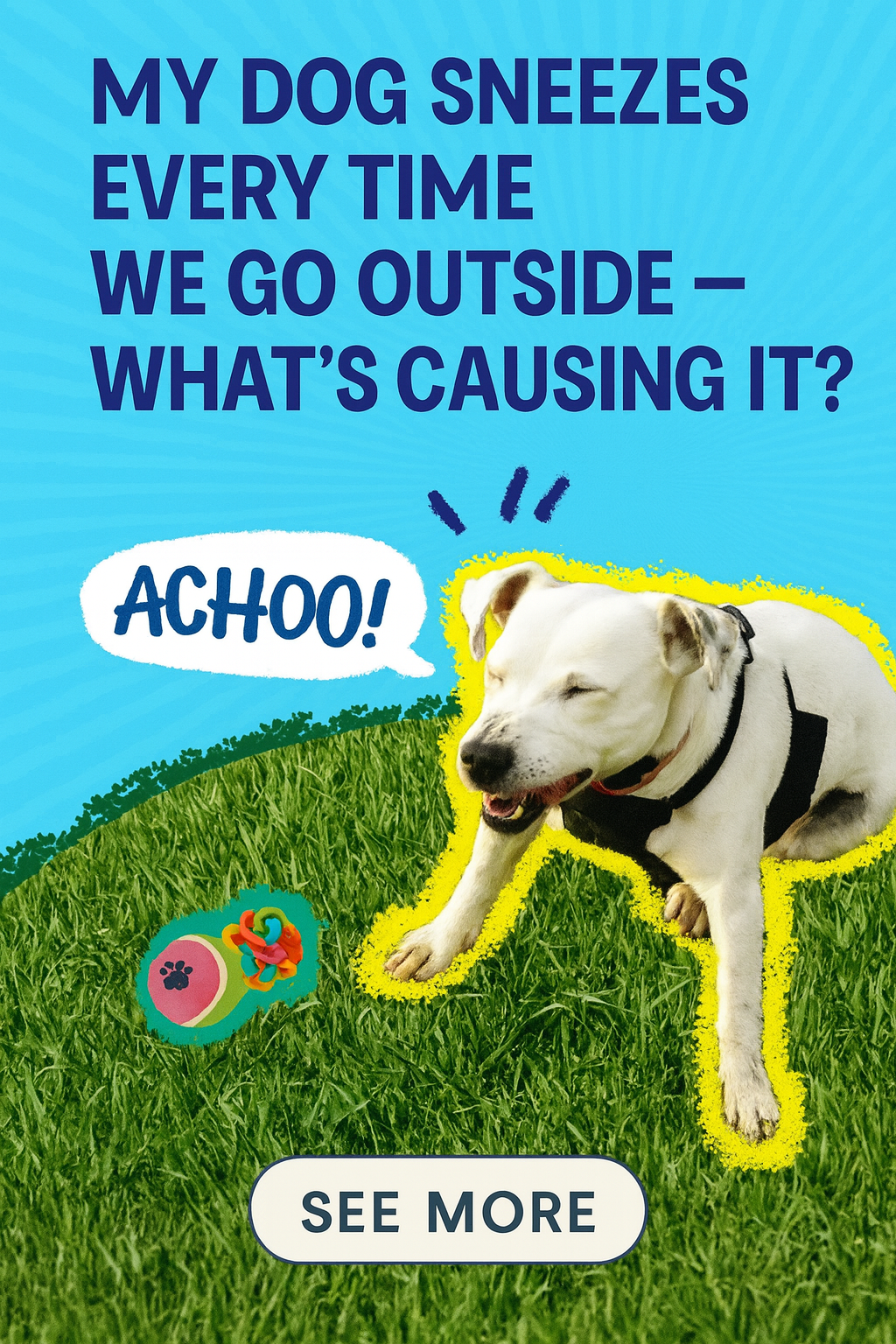
If your dog starts sneezing the moment you step outside, you’re not imagining it—and you’re not alone. For many dogs, outdoor sneezing is linked to environmental irritation or allergies, but in some cases it can point to nasal problems that need veterinary attention.
This article explains why dogs sneeze outside, what’s normal vs. concerning, how to help your dog right now, and when to see the vet.
What Does Outdoor Sneezing Look Like?
You may notice your dog:
-
Sneezes repeatedly once outdoors
-
Sneezes during walks or in grassy areas
-
Stops sneezing once back indoors
-
Rubs nose on the ground or paws
-
Has clear nasal discharge
The key clue is location-specific sneezing.
Most Common Reasons Dogs Sneeze Outside
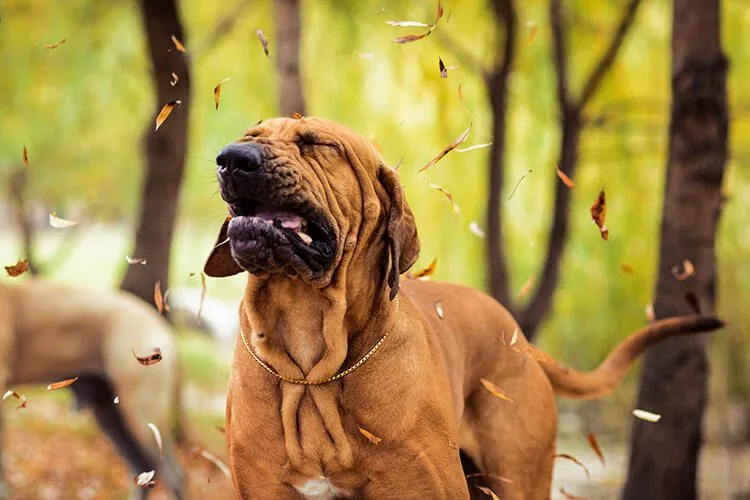
1. Environmental Allergies (Very Common)
Outdoor air is full of triggers:
-
Pollen
-
Grass
-
Weeds
-
Mold spores
Dogs inhale these allergens while sniffing close to the ground, which can irritate the nasal passages and trigger sneezing.
2. Nasal Irritation from Smells & Particles
Dogs explore the world with their noses.
-
Dust
-
Dirt
-
Seeds
-
Strong scents
Sniffing can stir up particles that cause temporary sneezing fits.
3. Reverse Sneezing
Often mistaken for coughing or choking.
-
Rapid snorting sounds
-
Triggered by excitement, allergens, or irritants
-
Common in small breeds
Reverse sneezing is usually harmless, though alarming to watch.
4. Grass Seeds or Foreign Material
⚠️ More serious if persistent.
-
Seeds, foxtails, or debris can lodge in the nasal passage
-
Causes repeated sneezing, nose rubbing, or one-sided discharge
This often affects one nostril more than the other.
5. Nasal Infection or Inflammation
Less common, but important:
-
Bacterial or fungal infections
-
Nasal inflammation (rhinitis)
These typically cause ongoing sneezing, not just outdoors.
What’s Normal vs. NOT Normal
Usually Normal
✔ Sneezing only outdoors
✔ Sneezing stops indoors
✔ Clear nasal discharge
✔ Dog acts happy and energetic
Red Flags
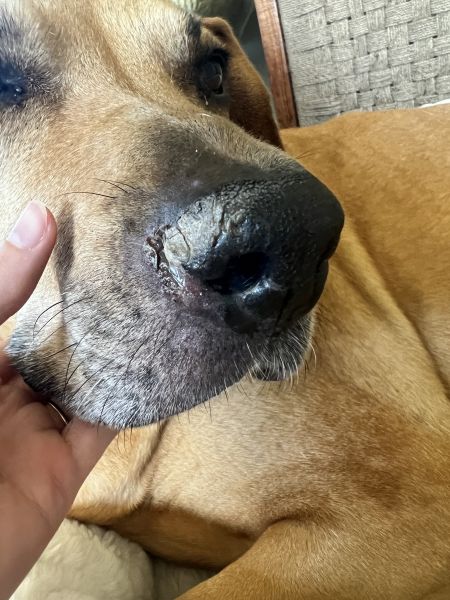
🚨 See a vet if your dog:
-
Sneezes constantly or daily
-
Has bloody, yellow, or green discharge
-
Sneezes mostly from one nostril
-
Rubs nose excessively
-
Has facial swelling or pain
-
Becomes lethargic or loses appetite
What You Can Do Right Now
✅ Walk during lower pollen times (early morning or evening)
✅ Avoid tall grass and dusty areas
✅ Wipe your dog’s nose and face after walks
✅ Keep your dog hydrated
✅ Use a harness instead of a collar
❌ Don’t give human allergy meds without vet advice
❌ Don’t ignore worsening symptoms
How Vets Diagnose Outdoor Sneezing
Your veterinarian may:
-
Examine the nasal passages
-
Check for foreign material
-
Assess for allergies
-
Recommend allergy treatment or imaging if needed
Most cases are manageable once the trigger is identified.
Can This Be Prevented?
Often, yes:
-
Allergy management plans
-
Environmental avoidance
-
Treating underlying nasal inflammation
Many dogs improve significantly with simple changes.
Final Takeaway
If your dog sneezes every time you go outside, allergies or nasal irritation are the most likely causes—and often not dangerous. But persistent, one-sided, or worsening sneezing should always be checked to rule out foreign objects or infection.
🐾 A sneeze is usually a small signal—but sometimes it’s your dog’s nose asking for help.