

ADHD and Nicotine Addiction: A Hidden Loop


Introduction
For many people with ADHD, nicotine isn’t just a habit—it can feel like a solution. Cigarettes, vapes, or nicotine pouches often appear to sharpen focus, calm racing thoughts, and stabilize mood. But beneath this short-term relief lies a hidden neurological loop that quietly strengthens addiction and worsens ADHD symptoms over time.
Understanding this loop is critical for breaking it.
The ADHD Brain and Dopamine Deficit
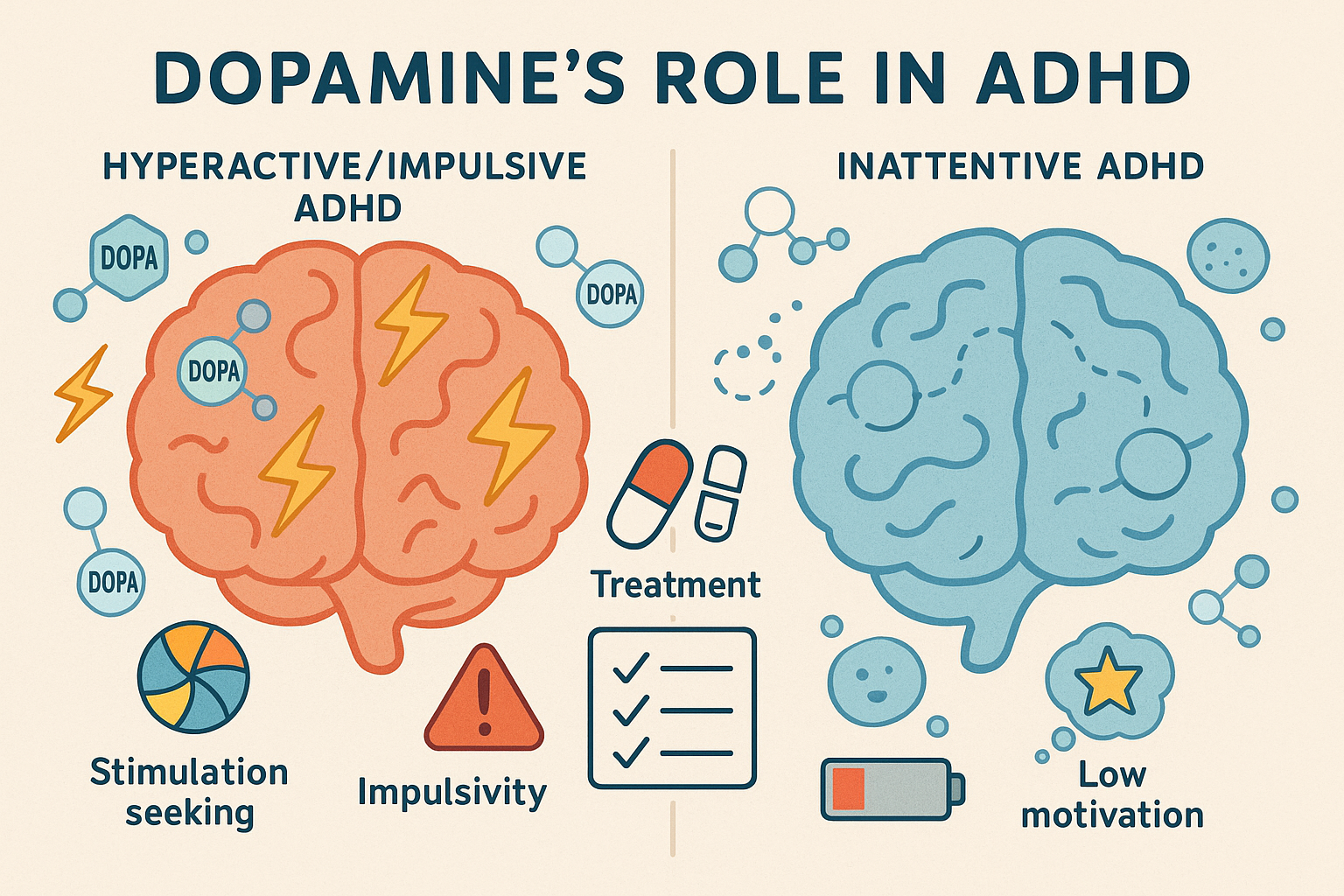
ADHD is closely linked to dysregulation of dopamine, a neurotransmitter responsible for motivation, focus, reward, and impulse control.
People with ADHD often experience:
-
Low baseline dopamine levels
-
Difficulty sustaining attention
-
Strong urges for stimulation
-
Impulsivity and emotional volatility
This neurological environment makes the ADHD brain highly sensitive to substances that boost dopamine quickly—and nicotine does exactly that.
Why Nicotine Feels Like Self-Medication
Nicotine rapidly stimulates dopamine release in the brain’s reward system. For someone with ADHD, this can temporarily result in:
-
Improved concentration
-
Reduced restlessness
-
A sense of calm and mental clarity
-
Short-term emotional regulation
This is why many individuals with ADHD report that smoking or vaping helps them “think straight” or “slow down.”
But this relief is fleeting.
The Hidden Loop: How Addiction Forms
The problem begins when the brain starts relying on nicotine instead of its own regulatory systems.
-
Nicotine spikes dopamine
-
The brain reduces natural dopamine production
-
Baseline focus and mood worsen
-
Cravings intensify
-
More nicotine is needed to feel “normal”
Over time, nicotine doesn’t fix ADHD—it deepens the dopamine imbalance, making both ADHD symptoms and addiction stronger.
This creates a self-reinforcing loop that’s difficult to escape.
Why People with ADHD Are at Higher Risk
Research consistently shows that individuals with ADHD:
-
Start smoking at younger ages
-
Smoke more frequently
-
Have stronger nicotine dependence
-
Struggle more with quitting
The ADHD brain’s sensitivity to reward and impulsivity makes nicotine particularly reinforcing—and relapse more likely during stress, boredom, or emotional overload.
Long-Term Consequences
While nicotine may feel helpful in the moment, long-term use often leads to:
-
Increased anxiety and irritability
-
Worse attention without nicotine
-
Sleep disruption
-
Heightened impulsivity
-
Greater risk of substance use disorders
What once felt like control slowly becomes dependence.
Breaking the Loop: Healthier Alternatives
Breaking nicotine addiction in ADHD requires addressing the dopamine system safely and sustainably:
-
ADHD-appropriate treatment (medication or behavioral therapy)
-
Exercise, which naturally boosts dopamine
-
Structured routines to reduce impulsive use
-
Mindfulness and stress regulation
-
Nicotine cessation plans tailored for ADHD, not willpower alone
Recovery isn’t about removing nicotine—it’s about rebuilding balance.
Conclusion
Nicotine and ADHD form a hidden loop that disguises addiction as relief. Understanding the brain science behind this connection empowers individuals to seek solutions that heal rather than trap them.
True focus doesn’t come from dependence—it comes from balance.