

Noticing your dog’s back legs shaking or trembling while standing can be worrying—especially if it’s new or getting worse. While mild trembling can sometimes be harmless, persistent or progressive shaking in the hind legs often points to pain, weakness, or neurological issues that deserve attention.
This article explains why dogs’ back legs shake when standing, what’s normal vs. concerning, and what you should do next.
What Does Hind-Leg Shaking Look Like?
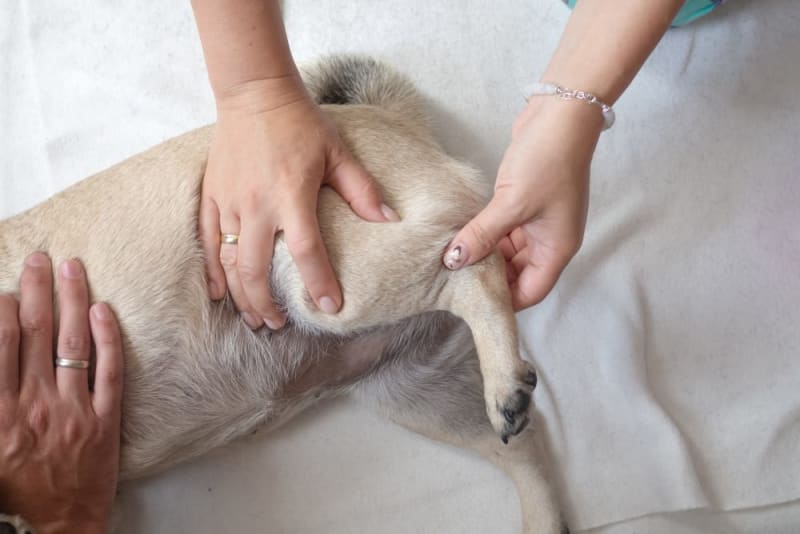
You may observe your dog:
-
Trembling in the back legs while standing still
-
Shaking more after walks or exercise
-
Struggling to hold a standing position
-
Sitting quickly after standing up
-
Shaking that stops once they lie down
Pay attention to frequency, duration, and progression.
Common Causes of Back-Leg Shaking
1. Muscle Fatigue or Weakness
Very common, especially in:
-
Senior dogs
-
Dogs recovering from inactivity or illness
-
Overweight dogs
Weak muscles shake when they’re asked to work—similar to human leg tremors after exercise.
2. Arthritis or Joint Pain
⚠️ One of the most frequent causes.
-
Hip, knee, or lower-back arthritis
-
Shaking worsens when standing still
-
Dogs may hide pain but show tremors
Pain makes it hard to stabilize joints, causing shaking.
3. Spinal or Nerve Issues
Problems affecting nerve signals can cause tremors:
-
Intervertebral Disc Disease (IVDD)
-
Nerve compression
-
Degenerative spinal changes
Often paired with stiffness, dragging toes, or difficulty rising.
4. Anxiety or Stress
Some dogs tremble when anxious.
-
New environments
-
Vet visits
-
Loud noises
Stress-related shaking usually resolves once the dog relaxes.
5. Neurological or Degenerative Conditions
More serious causes include:
-
Degenerative myelopathy
-
Neuromuscular disorders
These often progress gradually and are more common in older dogs.
When Back-Leg Shaking Is a Red Flag

🚨 Contact your vet promptly if your dog:
-
Shakes every time they stand
-
Is getting weaker over days or weeks
-
Knuckles over or drags back feet
-
Has trouble standing up or sitting down
-
Shows pain, yelping, or stiffness
-
Is a senior dog with new symptoms
Sudden or worsening hind-leg tremors should never be ignored.
What You Can Do Right Now
-
Limit strenuous activity
-
Provide joint-friendly surfaces (rugs, non-slip mats)
-
Support weight management
-
Observe patterns (after rest, after exercise, time of day)
-
Record a short video to show your vet
❌ Do NOT give human pain medications
❌ Do NOT assume shaking is “just old age”
How Vets Diagnose Hind-Leg Shaking
Your veterinarian may:
-
Perform an orthopedic and neurological exam
-
Check joints, spine, and muscle tone
-
Run blood tests (to rule out metabolic causes)
-
Recommend X-rays or advanced imaging
Finding the cause early can greatly improve comfort and mobility.
Treatment Depends on the Cause
-
Arthritis: pain management, supplements, weight control
-
Muscle weakness: physical therapy, controlled exercise
-
Spinal issues: medication, rest, or surgery
-
Anxiety: behavior support and calming strategies
Many dogs improve significantly with a tailored treatment plan.
Final Takeaway
Back-leg shaking while standing is often your dog’s way of saying “this is hard or uncomfortable.” While mild fatigue can be normal, persistent or worsening tremors point to pain, weakness, or nerve issues that need attention.
🐾 Early care can protect your dog’s mobility, comfort, and independence for years to come.