



Introduction
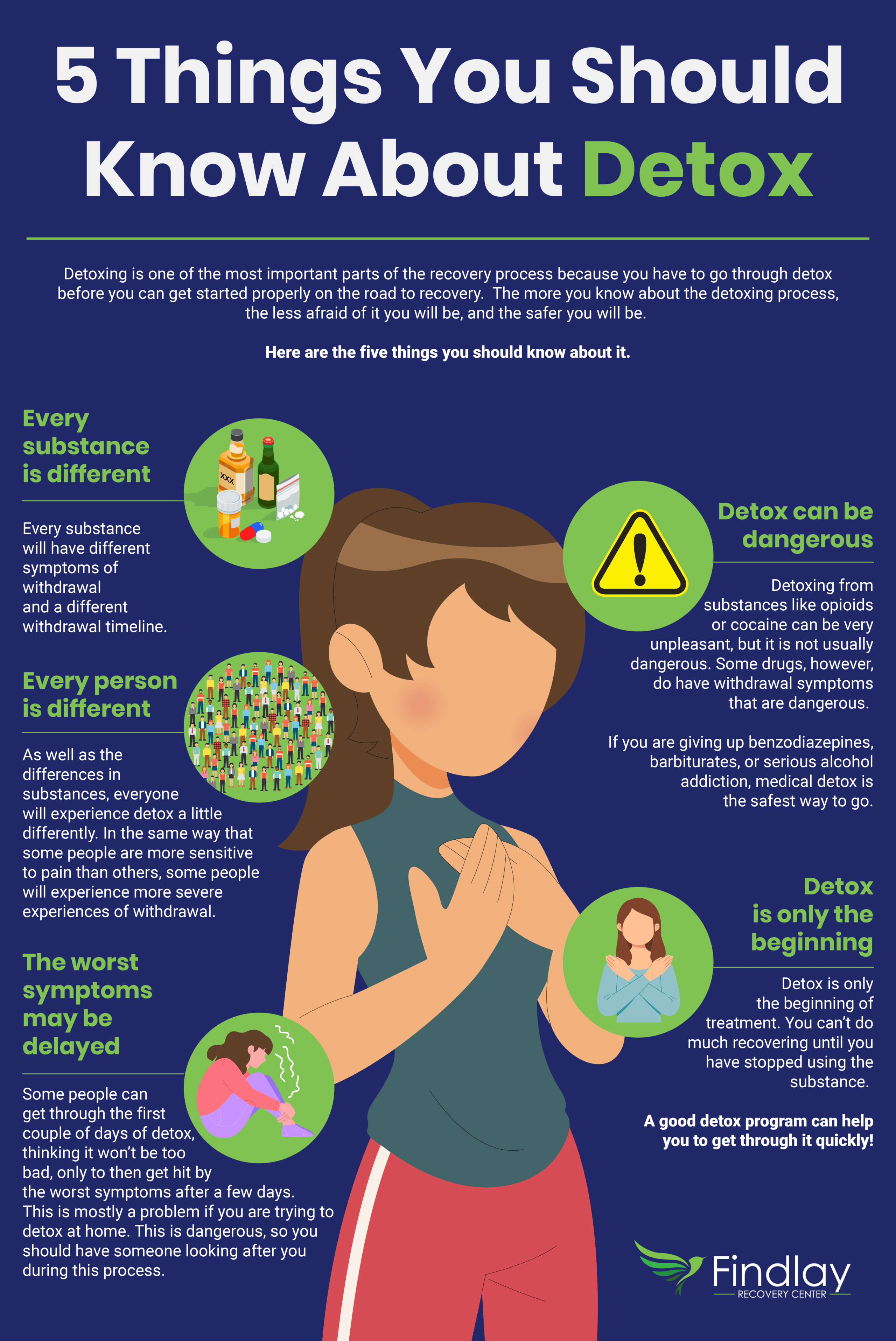
Detox is often described as the first major step toward recovery from substance use—but for people with ADHD, detox can feel far more intense, confusing, and emotionally overwhelming. Attention-Deficit/Hyperactivity Disorder affects how the brain regulates dopamine, impulse control, focus, and emotional stability. When substances are removed, these ADHD-related challenges don’t disappear—in fact, they often become louder.
Understanding how ADHD symptoms affect detox is crucial for safer, more compassionate, and more effective recovery.
1. Dopamine Deficiency Hits Harder During Detox
People with ADHD naturally have lower baseline dopamine activity. Many substances—alcohol, nicotine, stimulants, opioids—temporarily increase dopamine levels. When detox begins, dopamine drops sharply.
For someone with ADHD, this can lead to:
-
Intense boredom and restlessness
-
Deep fatigue or emotional flatness
-
Strong cravings to “feel normal” again
-
Difficulty experiencing motivation or pleasure
Detox isn’t just uncomfortable—it can feel emotionally empty and mentally exhausting.
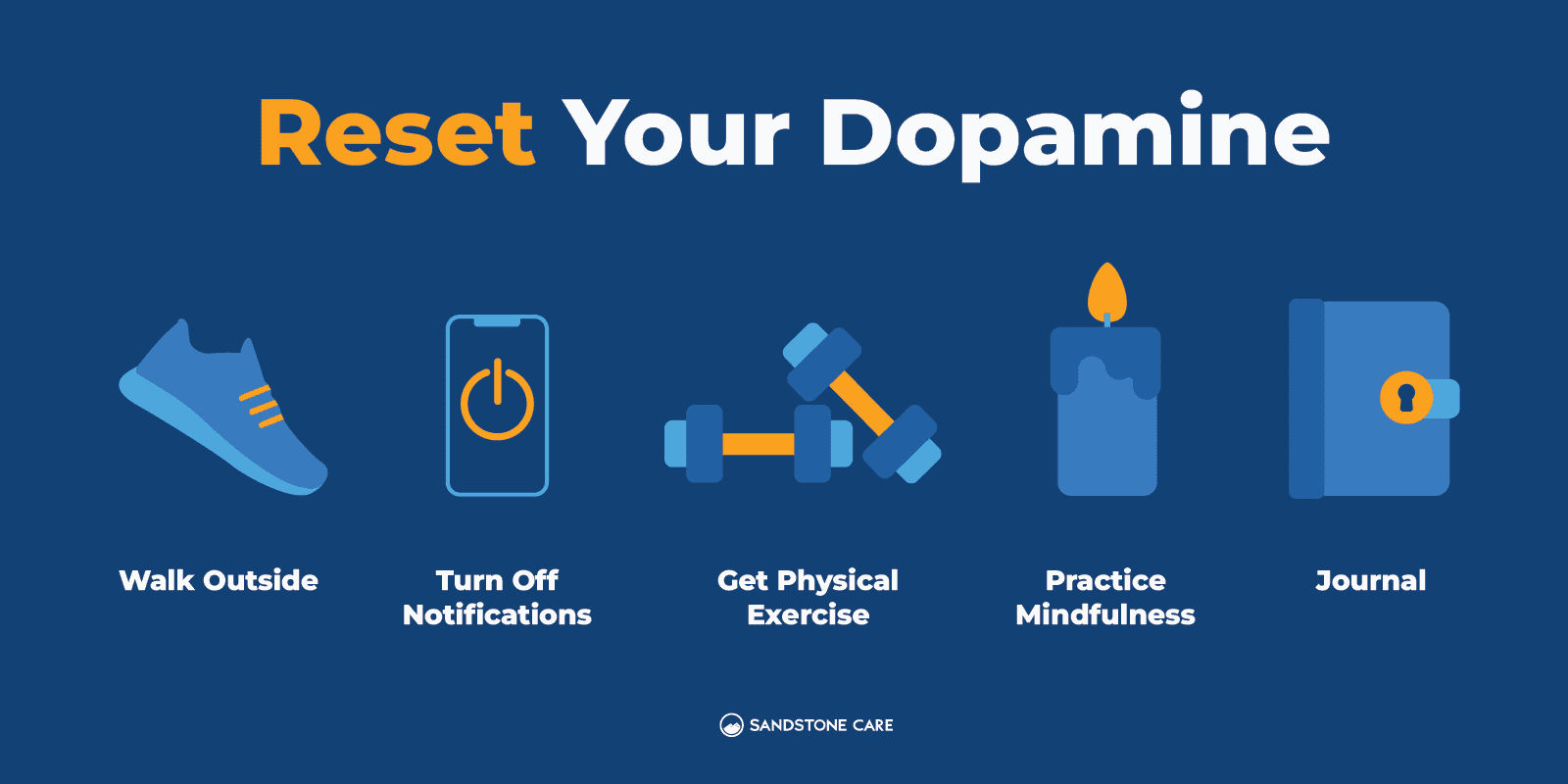

Image caption: ADHD brains already struggle with dopamine regulation, making withdrawal symptoms feel more severe.
2. Impulsivity Increases Relapse Risk
Impulsivity is a core ADHD symptom. During detox, stress hormones rise, sleep is disrupted, and emotions become harder to regulate. This creates a perfect storm for impulsive decisions.
Common experiences include:
-
Acting on cravings without thinking
-
Leaving detox early
-
Using “just once” to escape discomfort
-
Difficulty tolerating delayed relief
Without proper support, impulsivity can sabotage detox—even when motivation to recover is genuine.
3. Emotional Dysregulation Feels Overwhelming
ADHD isn’t just about attention—it also affects emotional control. During detox, emotions can swing rapidly and intensely.
People with ADHD may experience:
-
Sudden anger or irritability
-
Anxiety spikes without clear triggers
-
Feelings of shame or hopelessness
-
Emotional shutdown or numbness
These reactions are neurological, not personal failures—but they often get misunderstood.



Image caption: Emotional regulation challenges can intensify during detox for individuals with ADHD.
4. Focus and Structure Break Down
Detox environments often rely on routines, instructions, and self-monitoring. ADHD can make this especially difficult.
Challenges may include:
-
Trouble following schedules or rules
-
Difficulty focusing in group sessions
-
Forgetting coping strategies taught earlier
-
Feeling overwhelmed by too much information
When structure feels confusing instead of grounding, frustration grows—and disengagement follows.
5. Sleep Problems Make Everything Worse
Sleep disturbances are common in both ADHD and detox. When combined, they can severely impact recovery.
Poor sleep leads to:
-
Increased emotional reactivity
-
Lower impulse control
-
Higher cravings
-
Reduced ability to cope with stress
Without addressing sleep, detox can feel unbearable—even unsafe.
6. Why ADHD-Aware Detox Matters
Standard detox programs often miss ADHD entirely. When ADHD goes untreated or unrecognized, detox outcomes suffer.
ADHD-informed detox includes:
-
Clear, simple instructions
-
Shorter sessions with breaks
-
Emotional validation instead of punishment
-
Medication review with professionals
-
Skill-building for impulse control
Recovery is not “one-size-fits-all”—and ADHD requires a different lens.


Image caption: ADHD-aware support can significantly improve detox safety and success.
Conclusion
Detox with ADHD is not a weakness—it is a neurological challenge layered onto an already difficult process. When ADHD symptoms are acknowledged and supported, detox becomes more manageable, safer, and far more likely to lead to long-term recovery.
Understanding the brain changes the story from “Why can’t I do this?” to “Now I know what I need.”