
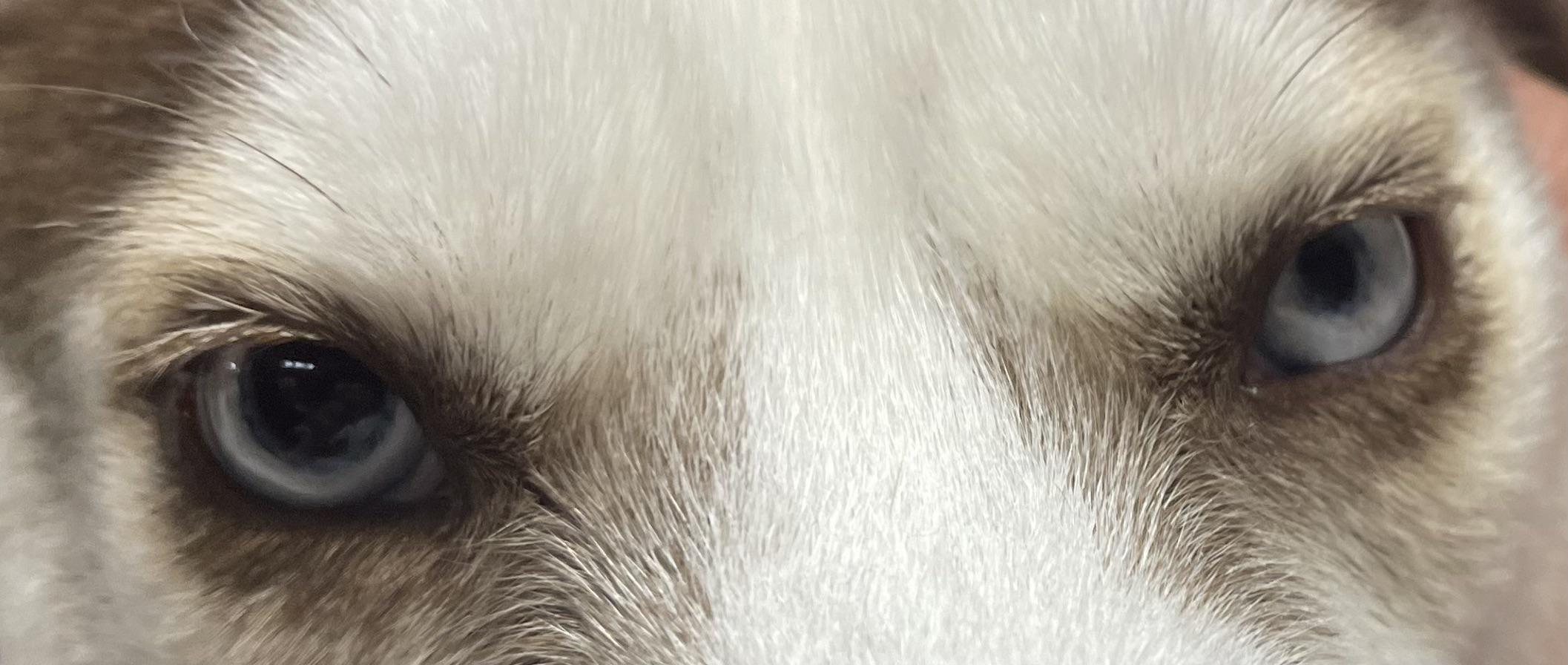
If you suddenly notice that one of your dog’s pupils is larger than the other, this condition—called anisocoria—should be taken seriously. While there are a few mild causes, unequal pupils can also signal eye injury, nerve damage, or a neurological emergency that needs prompt veterinary care.
This article explains what anisocoria means, the most common causes, how to tell what’s urgent, and what you should do right now.

What Does Anisocoria Look Like?
You may notice:
-
One pupil noticeably larger (or smaller) than the other
-
The difference is present in normal room light
-
The unequal size may be constant or intermittent
-
One eye may look “dull,” painful, or unfocused
👉 Even a subtle difference can be important, especially if it’s new.
Why Do Dogs Get Unequal Pupils?

1. Eye Injury or Trauma
✔ Very common cause.
-
Scratches to the cornea
-
Blunt trauma
-
Foreign bodies
Often accompanied by:
-
Squinting
-
Redness
-
Tearing
-
Pawing at the eye
Eye pain can change pupil size rapidly.
2. Glaucoma (HIGHLY URGENT)
⚠️ True eye emergency
-
Increased pressure inside the eye
-
Pupil often becomes large and non-responsive
Other signs:
-
Red eye
-
Cloudy cornea
-
Severe pain
-
Vision loss
⏱️ Permanent blindness can occur within hours if untreated.
3. Uveitis (Eye Inflammation)
-
Inflammation inside the eye
-
Affected pupil may appear smaller
May be linked to:
-
Infection
-
Immune disease
-
Trauma
-
Systemic illness
Often painful and requires treatment.
4. Horner’s Syndrome
Caused by nerve disruption to the eye.
Signs include:
-
One smaller pupil
-
Droopy eyelid
-
Sunken-looking eye
-
Raised third eyelid
Can be mild—or linked to deeper nerve issues.
5. Neurological Disease
⚠️ Most concerning category
-
Brain injury or swelling
-
Tumors
-
Stroke
-
Inflammation
Often paired with:
-
Head tilt
-
Circling
-
Weakness
-
Behavior changes
6. Drug or Chemical Exposure
Certain medications or chemicals can affect pupil size:
-
Eye drops
-
Flea treatments
-
Plants or toxins
History matters here.
When Unequal Pupils Are an Emergency
🚨 Go to the vet or ER immediately if anisocoria is paired with:
-
Eye pain or squinting
-
Cloudy or red eye
-
Vision loss or bumping into things
-
Head tilt or loss of balance
-
Sudden behavior changes
-
Lethargy or collapse
⏱️ Eye and neurological problems worsen fast—waiting can cost vision or life.
What You Should Do Right Now
-
Do NOT wait to “see if it goes away”
-
Prevent rubbing or pawing (use a cone if needed)
-
Keep your dog calm and indoors
-
Call your vet or emergency clinic today
❌ Do NOT use human eye drops
❌ Do NOT apply leftover medications
How Vets Diagnose Unequal Pupils
Your veterinarian may:
-
Examine both eyes carefully
-
Measure eye pressure (for glaucoma)
-
Check pupil reflexes
-
Perform neurological exams
-
Run blood tests or imaging if needed
Diagnosis focuses on identifying whether the cause is ocular or neurological.
Can This Be Treated?
Yes—but outcome depends on speed.
-
Eye injuries and uveitis often respond well to treatment
-
Glaucoma requires immediate intervention
-
Nerve-related causes may improve over time
-
Neurological issues vary by cause
Early treatment greatly improves vision and recovery chances.
Final Takeaway
If one of your dog’s pupils is bigger than the other, assume it’s serious until proven otherwise. Anisocoria is not a cosmetic issue—it’s a medical warning sign, often involving the eyes or brain.
🐾 When the eyes don’t match, your dog’s nervous system may be asking for help. Acting fast can save sight—and sometimes life.