
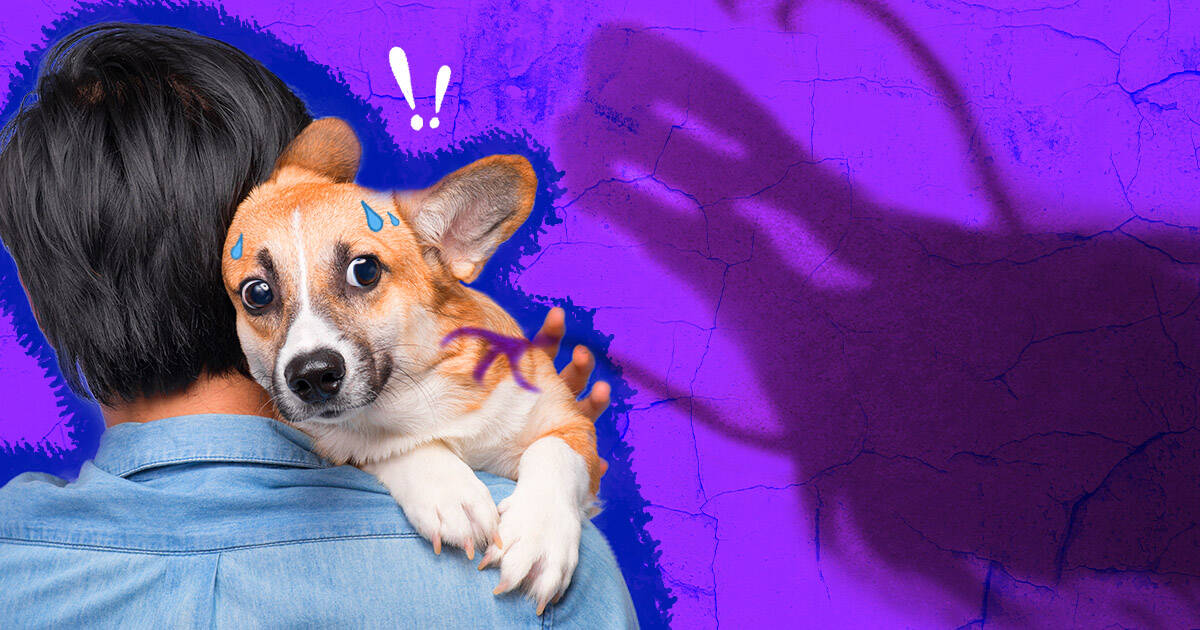
If your dog suddenly stares into empty space, startles for no reason, barks at nothing, freezes, or acts terrified of thin air, it can feel unsettling—almost supernatural. But there’s no need to think ghosts. Sudden “seeing things” behavior in dogs almost always has a medical, sensory, or neurological explanation.
This article breaks down why dogs suddenly act like they’re seeing ghosts, what’s harmless vs. dangerous, and what you should do next.
What Does This Behavior Look Like?
You may notice your dog:
-
Staring intensely at walls or corners
-
Barking or growling at nothing visible
-
Jumping suddenly as if startled
-
Freezing and refusing to move
-
Tracking something with their eyes that isn’t there
-
Acting worse at night or in dim light
The key clue is a sudden change from normal behavior.
Common Reasons Dogs Act Like They’re “Seeing Things”
1. Heightened Senses (Very Common)
Dogs see and hear things humans can’t.
-
High-frequency sounds
-
Distant footsteps
-
Animals inside walls or outside
-
Light reflections or shadows
What looks like “nothing” to you may be very real to your dog.
2. Sudden Fear or Anxiety
Stress can cause hypervigilance.
-
Loud or unfamiliar noises
-
Routine changes
-
Stressful events
An anxious dog may appear to react to invisible threats.
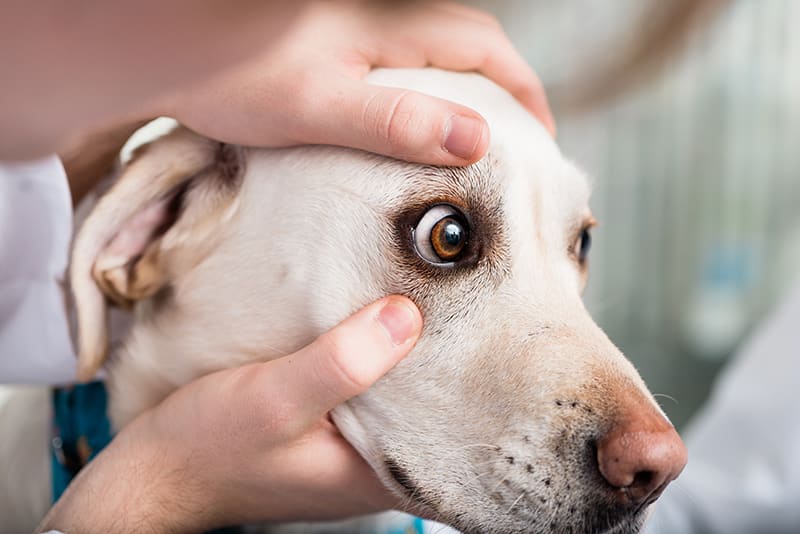
3. Vision Changes or Eye Problems
When vision declines:
-
Shadows look like movement
-
Light changes cause confusion
-
Dogs may snap or stare at empty areas
This is common in senior dogs or dogs with eye disease.
4. Hearing Loss or Distorted Hearing
Partial hearing loss can cause:
-
Misinterpretation of sounds
-
Startle responses
-
Fear of “unknown” noises
Dogs may overreact because they can’t locate the sound source.
5. Canine Cognitive Dysfunction (Dog Dementia)
⚠️ Very common in older dogs.
-
Confusion and disorientation
-
Staring at walls
-
Night-time anxiety (“sundowning”)
-
Sudden fearfulness
This often worsens in the evening or darkness.
6. Neurological Issues (More Serious)
⚠️ Must be ruled out if behavior is intense or persistent.
-
Focal seizures
-
Brain inflammation or tumors
-
Stroke or vestibular disease
These are more likely if paired with:
-
Circling
-
Head tilt
-
Loss of balance
-
Unresponsiveness
When This Behavior Is a Red Flag
🚨 Contact your vet promptly if your dog:
-
Appears confused or disoriented
-
Doesn’t respond to your voice during episodes
-
Has head pressing, circling, or balance issues
-
Acts frightened constantly, not briefly
-
Shows personality changes
-
Is a senior dog with sudden onset
Sudden neurological or cognitive changes should never be ignored.
What You Can Do Right Now
Observe Patterns
-
Time of day (worse at night?)
-
Lighting conditions
-
Sounds or triggers
-
Duration of episodes
Provide Calm & Reassurance
-
Speak softly
-
Avoid sudden movements
-
Keep lighting gentle at night
-
Maintain a predictable routine
Test Responsiveness
-
Call your dog’s name
-
Gently distract with a treat or toy
Lack of response is more concerning than fear itself.
How Vets Evaluate This Behavior
Your veterinarian may:
-
Perform physical and neurological exams
-
Check vision and hearing
-
Run blood tests (especially in seniors)
-
Screen for cognitive dysfunction
-
Recommend imaging if neurological disease is suspected
Early evaluation can greatly improve outcomes.
Can Dogs Recover From This?
Yes—many dogs improve significantly once the cause is identified.
-
Anxiety responds well to management
-
Vision/hearing issues improve with environmental support
-
Cognitive decline can be slowed with treatment
-
Some neurological causes are treatable
The key is acting early, not waiting it out.
Final Takeaway
When a dog suddenly acts like he’s seeing ghosts, it’s not imagination—it’s information. Whether it’s anxiety, sensory loss, cognitive change, or a medical issue, your dog is reacting to something real in their experience.
🐾 Sudden fear is communication. Listening early can protect your dog’s comfort, confidence, and health.