

Introduction
Emotional numbing is a psychological state where a person feels detached from their emotions—neither happiness nor sadness feels fully accessible. While this numbness can develop as a coping response to trauma, stress, depression, or anxiety, many people unknowingly turn to alcohol to manage it. Over time, alcohol misuse doesn’t heal emotional numbness—it deepens it, creating a dangerous and self-reinforcing cycle.
What Is Emotional Numbing?


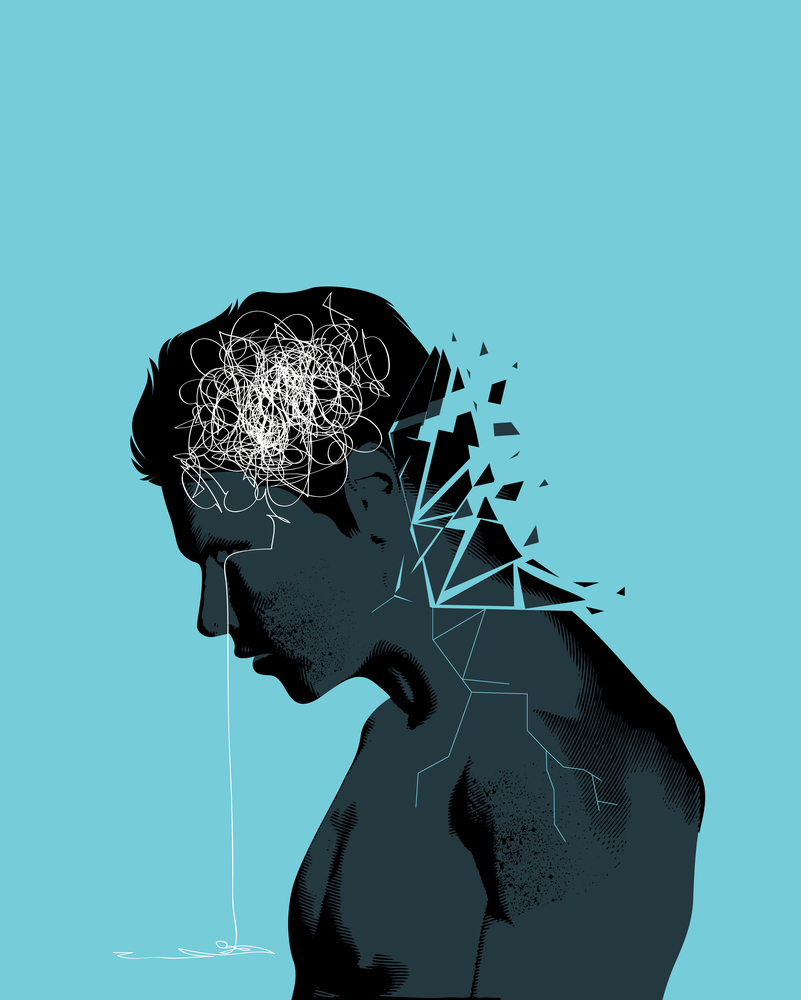
Emotional numbing is not the absence of emotion—it is the brain’s protective shutdown when emotions feel overwhelming or unsafe. People experiencing emotional numbing often report:
-
Feeling disconnected from themselves or others
-
Lack of joy, motivation, or interest
-
Difficulty crying or expressing feelings
-
A sense of emptiness or being “on autopilot”
This state is commonly linked to trauma, PTSD, chronic stress, grief, or long-term emotional suppression.
Image caption: Emotional numbing often feels like being present physically, but absent emotionally.
Why Alcohol Feels Like a Solution (At First)

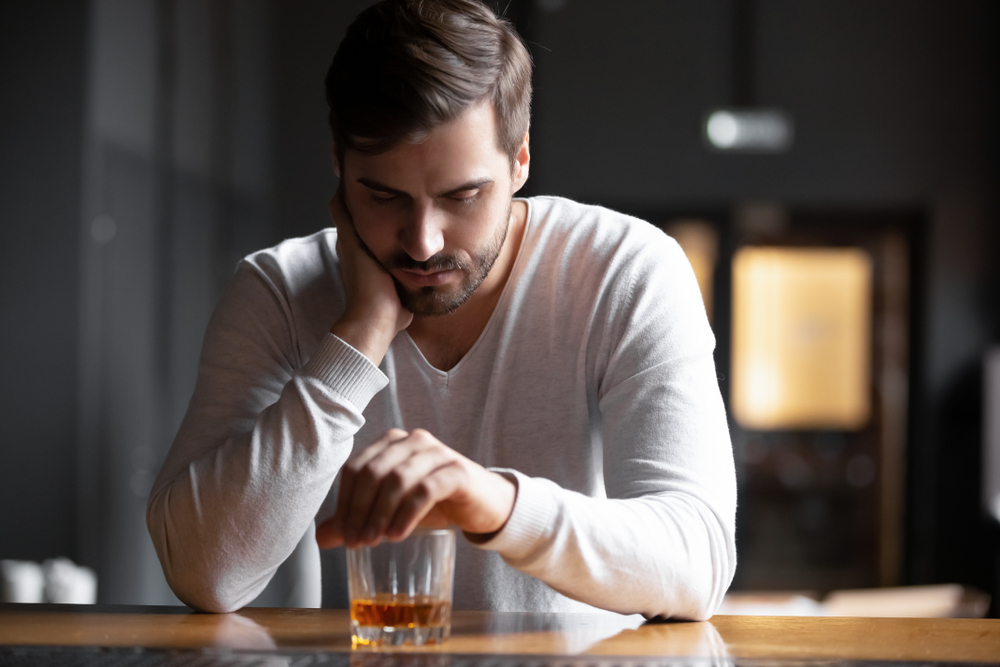

Alcohol temporarily alters brain chemistry by increasing dopamine and dampening emotional awareness. For someone who feels emotionally numb, alcohol can seem to:
-
Create a sense of warmth or connection
-
Lower emotional barriers
-
Reduce internal tension or emptiness
-
Make social interaction feel easier
This short-term relief convinces the brain that alcohol is a useful emotional tool—even though the effect is temporary and misleading.
Image caption: Alcohol may briefly soften emotional numbness, but it never addresses the cause.
How Alcohol Worsens Emotional Numbing Over Time
Repeated alcohol use disrupts the brain’s natural emotional regulation systems. As tolerance builds, the brain reduces its own ability to feel pleasure and process emotions without alcohol. Over time, this leads to:
-
Deeper emotional flatness
-
Increased dependence on alcohol to feel “normal”
-
Reduced stress tolerance
-
Heightened anxiety and depression when sober
Instead of restoring emotions, alcohol gradually shuts them down further.
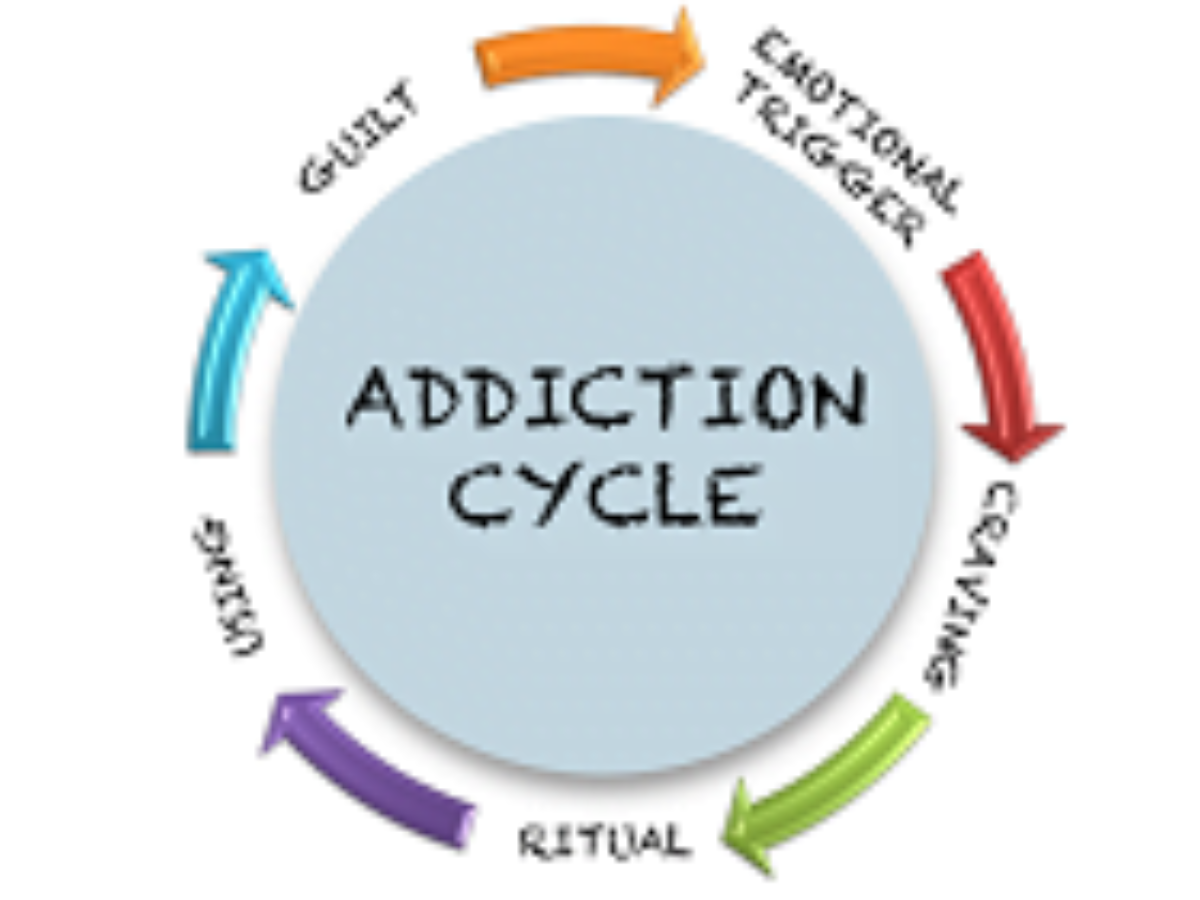
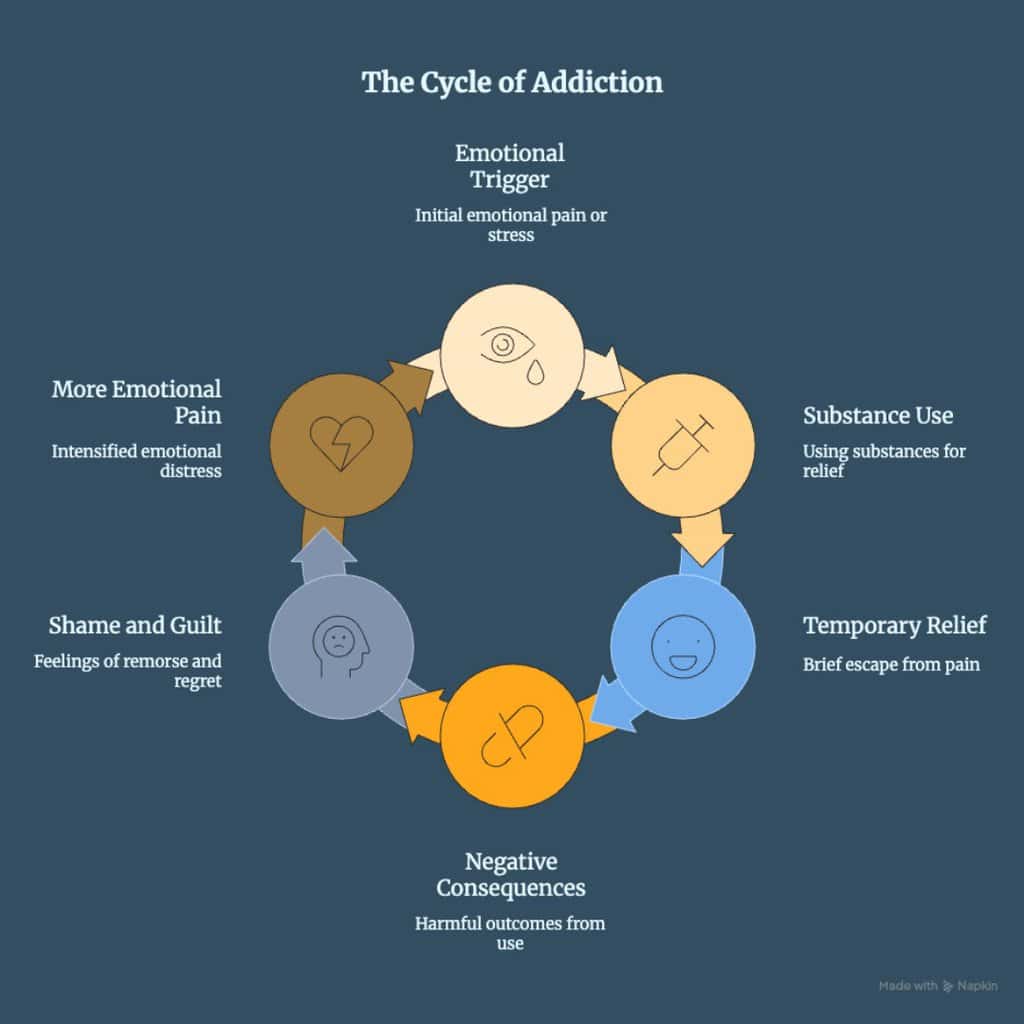
The Vicious Cycle: Numbness → Drinking → Deeper Numbness

-
Emotional pain or trauma triggers numbness
-
Alcohol is used to escape or feel something
-
Temporary relief fades
-
Emotional numbness intensifies
-
Drinking increases to compensate
This cycle often continues unnoticed until alcohol misuse becomes difficult to control.
Image caption: Emotional numbing and alcohol misuse reinforce each other in a powerful feedback loop.
Signs Alcohol Is Being Used to Numb Emotions
-
Drinking to “feel less” rather than to enjoy
-
Using alcohol alone or in secret
-
Feeling emotionally flat when sober
-
Difficulty identifying or naming emotions
-
Increased irritability, anxiety, or emptiness without alcohol
Recognizing these signs is a crucial step toward recovery.
Healing Emotional Numbing Without Alcohol


Recovery focuses on safely reconnecting with emotions rather than suppressing them. Effective approaches include:
-
Trauma-informed therapy
-
Mindfulness and grounding practices
-
Emotional awareness training
-
Gradual reduction or cessation of alcohol use
-
Building safe emotional connections with others
Healing does not mean feeling everything at once—it means learning to feel again at a manageable pace.
Image caption: Emotional healing is about rebuilding safety within your own feelings.
Conclusion
Emotional numbing is not a personal failure—it is a survival response. Alcohol misuse often begins as an attempt to cope, not a desire to escape responsibility. But over time, alcohol robs the brain of its ability to feel, connect, and heal. True recovery starts when numbness is addressed with compassion, support, and healthier tools—not substances.Emotional Numbing and Alcohol Misuse