

Introduction
Childhood is meant to be a foundation of safety, trust, and emotional growth. But for many people, it becomes the starting point of invisible wounds that follow them into adulthood. Childhood trauma—whether caused by abuse, neglect, emotional abandonment, or chronic instability—does not simply disappear with age. Instead, it often resurfaces in the form of anxiety, emotional dysregulation, and, for many, addiction.
Adult addiction is rarely just about substances. It is often about survival—an attempt to escape pain that was never properly processed.
What Is Childhood Trauma?
Childhood trauma includes experiences that overwhelm a child’s ability to cope, such as:
-
Physical, emotional, or sexual abuse
-
Emotional neglect or lack of affection
-
Growing up with addicted, violent, or mentally ill caregivers
-
Chronic criticism, humiliation, or rejection
-
Loss of a parent, abandonment, or long-term instability
These experiences shape how the brain develops, particularly areas responsible for stress regulation, emotional control, and reward processing.
How Trauma Rewires the Developing Brain

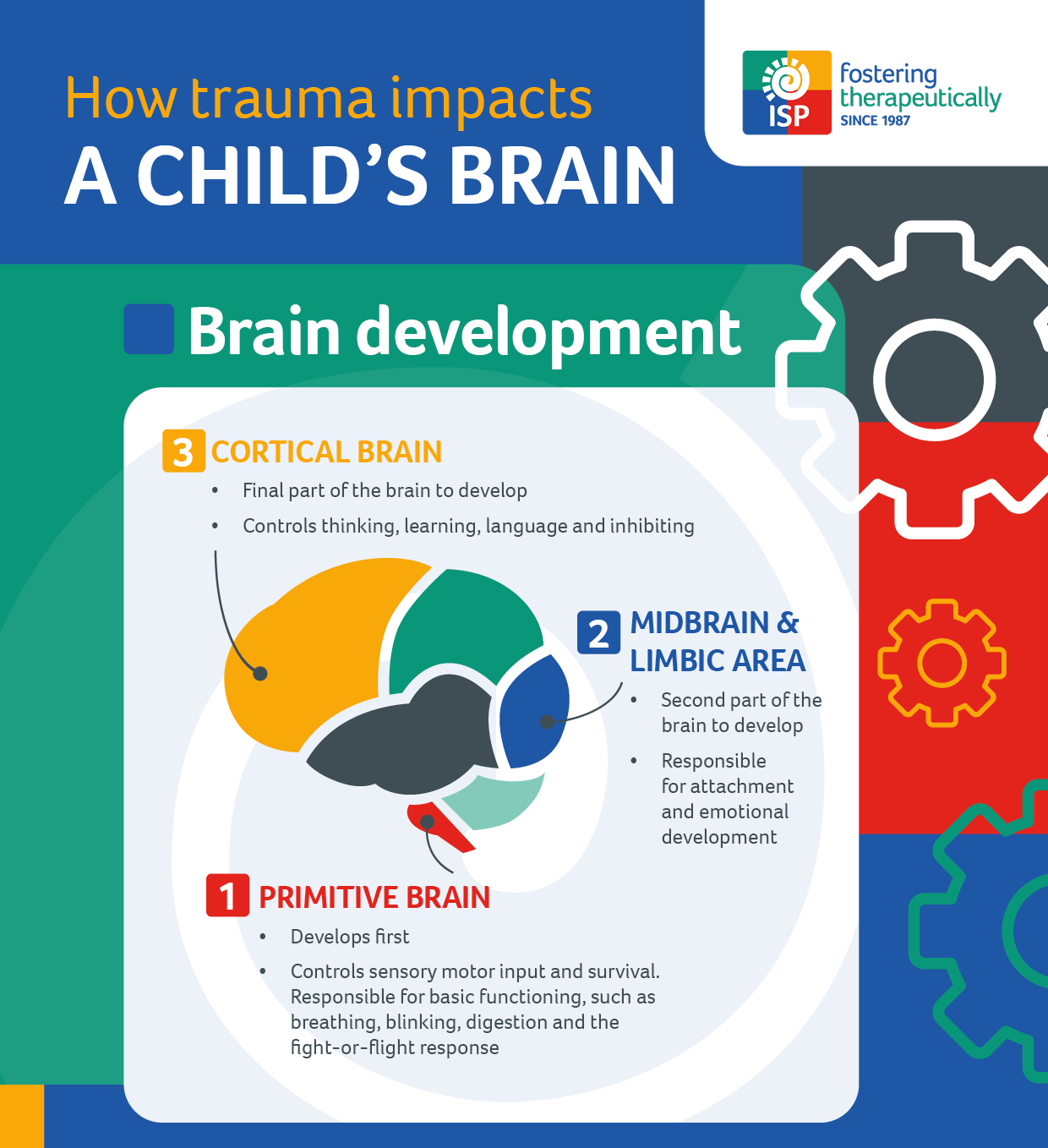

When trauma occurs repeatedly in childhood, the brain adapts for survival:
-
The stress system becomes overactive, keeping the body in constant fight-or-flight mode
-
Emotional regulation systems weaken, making feelings overwhelming or confusing
-
Dopamine pathways become disrupted, increasing vulnerability to addictive behaviors
As adults, this can lead to chronic anxiety, emotional numbness, impulsivity, and an intense drive to escape discomfort.
Why Trauma Increases the Risk of Addiction

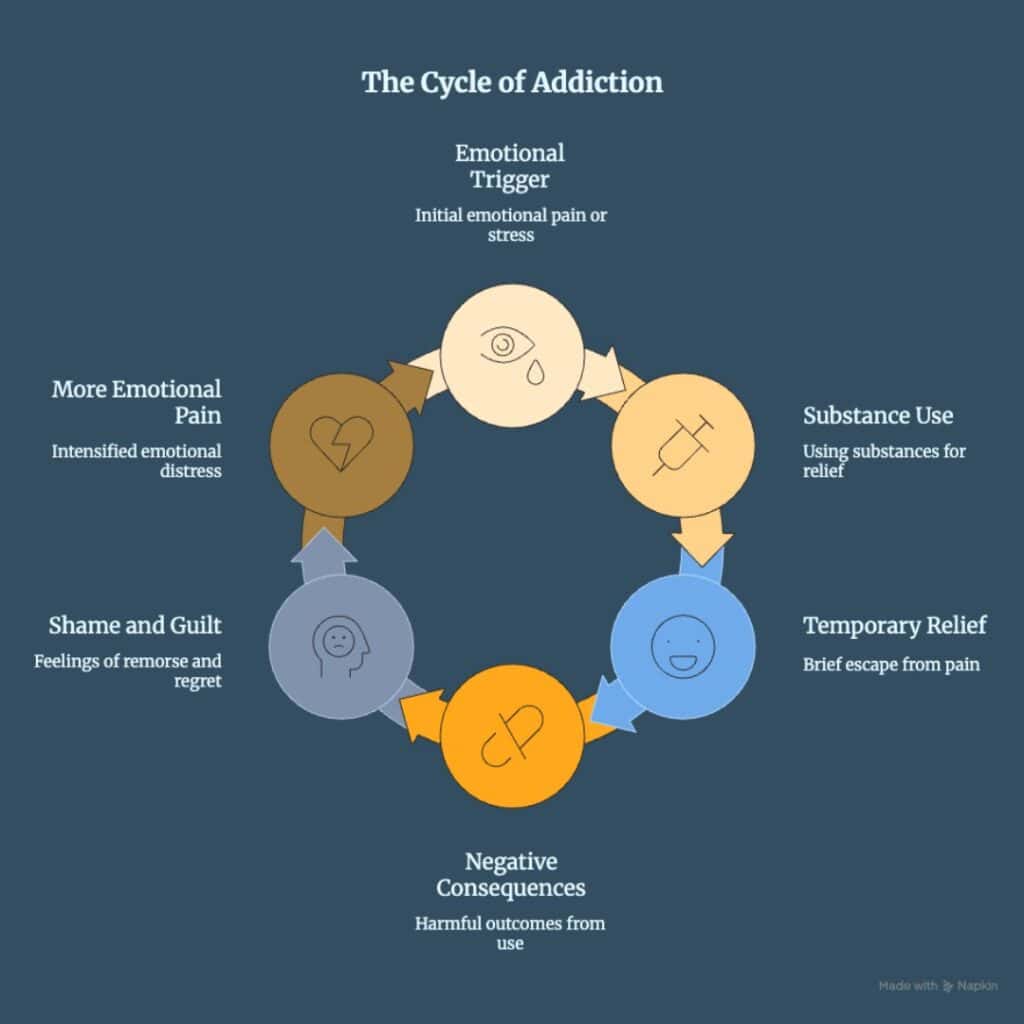
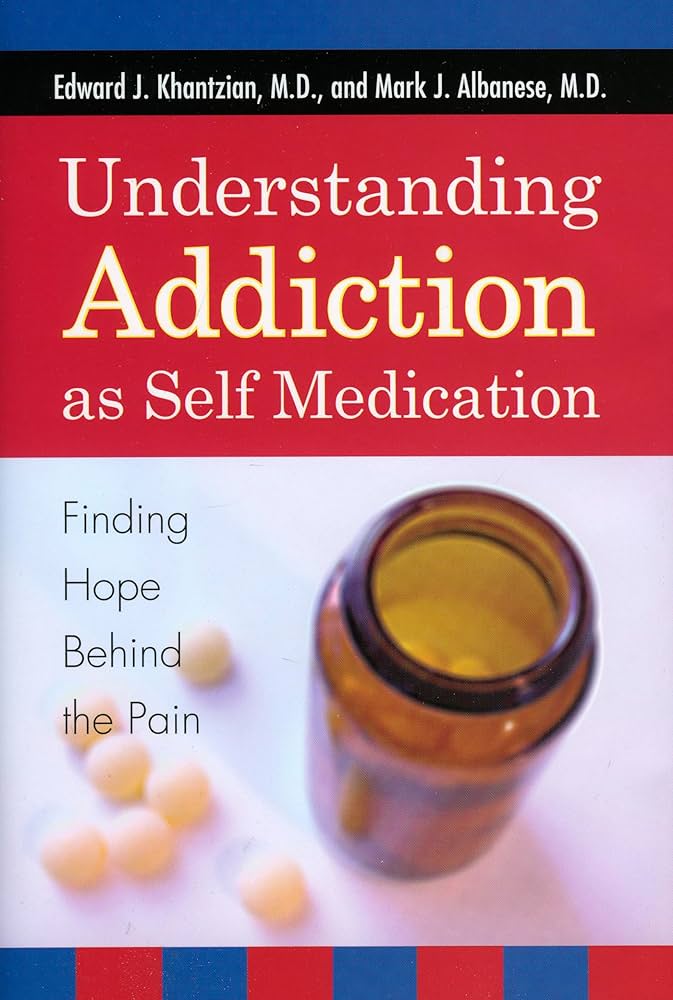
Addiction often develops as a coping mechanism rather than a conscious choice. For trauma survivors, substances may temporarily provide:
-
Emotional relief from overwhelming feelings
-
Numbing of painful memories
-
A sense of control or calm
-
Artificial safety and comfort
Alcohol, drugs, nicotine, gambling, or compulsive behaviors become tools to regulate emotions that were never safely regulated in childhood.
Over time, the brain learns that substances equal relief—creating a powerful and dangerous cycle.
Common Signs of Trauma-Driven Addiction
Many adults struggling with addiction also experience:
-
Difficulty identifying or expressing emotions
-
Strong reactions to stress or perceived rejection
-
Chronic shame or feelings of worthlessness
-
Fear of abandonment or intimacy
-
Repeated relapse during emotional distress
Without addressing the underlying trauma, addiction treatment alone often feels incomplete.
Healing Trauma to Break the Addiction Cycle


True recovery goes beyond stopping substance use. It involves healing the original wound.
Effective trauma-informed recovery may include:
-
Trauma-focused therapy (EMDR, somatic therapy, trauma CBT)
-
Learning emotional regulation and nervous system safety
-
Building self-compassion and reducing shame
-
Reconnecting with the “inner child” who learned to survive alone
-
Supportive communities that offer safety and understanding
Healing does not mean erasing the past—it means changing how the past lives inside the body and mind.
Conclusion
Childhood trauma does not doom anyone to addiction—but untreated trauma makes addiction far more likely. What looks like self-destruction is often a deeply ingrained survival strategy learned early in life.
Understanding the connection between childhood trauma and adult addiction shifts the narrative from blame to compassion. Recovery becomes not a fight against weakness, but a journey toward safety, healing, and self-trust.
No one becomes addicted because they are broken. Many become addicted because they were hurt—and never given the tools to heal.