

Introduction
Abuse—whether physical, emotional, or sexual—leaves scars that extend far beyond the moment it occurs. One of the most serious long-term consequences is a dramatically increased risk of addiction. Research consistently shows that people who experience abuse are up to three times more likely to develop substance use disorders compared to those without such histories. This article explores why abuse so powerfully increases addiction risk, how trauma reshapes the brain, and what healing and recovery can look like.
How Abuse Changes the Brain


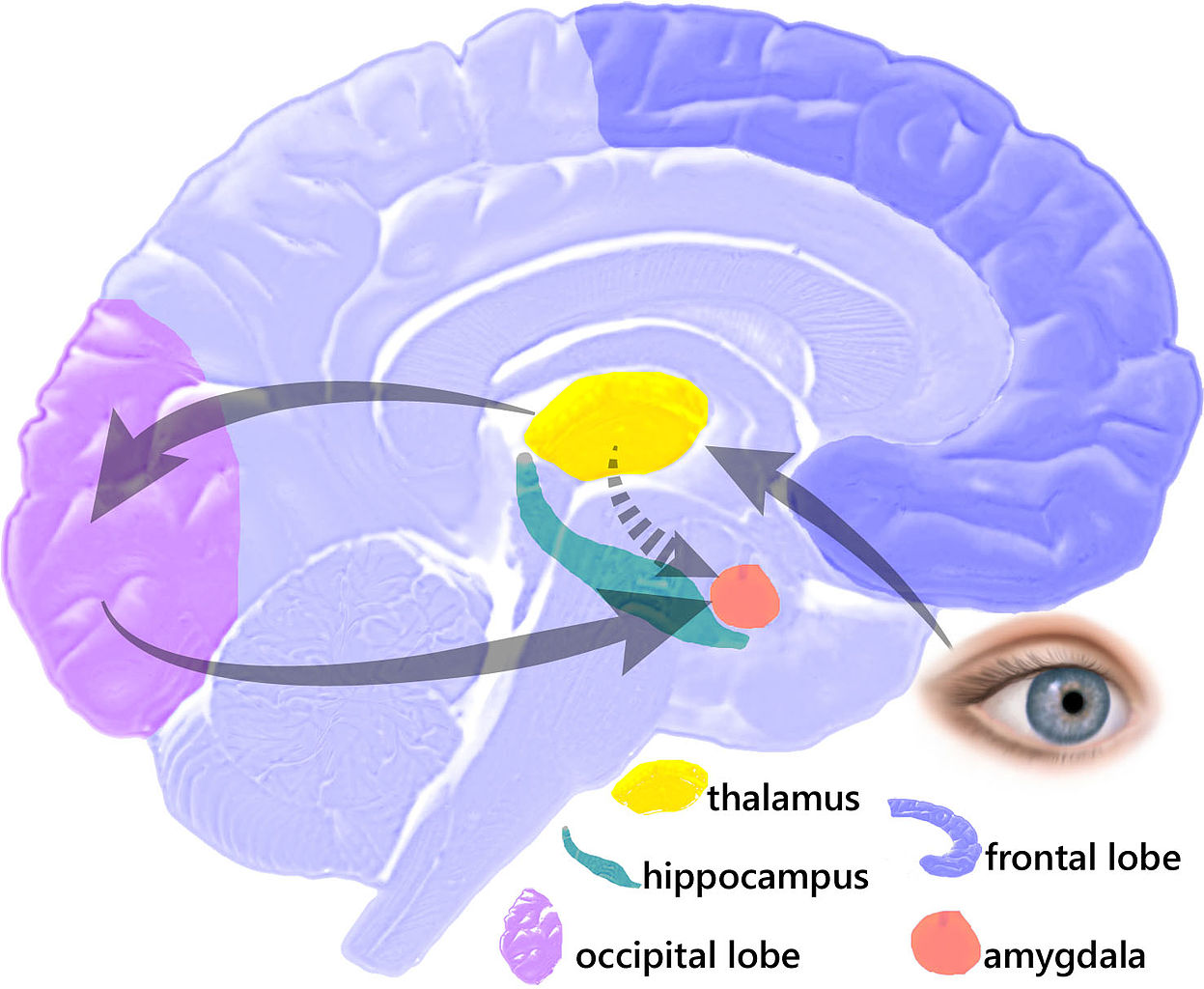
Caption: Chronic trauma alters stress and reward circuits in the brain, increasing vulnerability to addiction.
Abuse—especially when it occurs repeatedly or in childhood—forces the brain into a constant state of survival. Over time, this has profound neurological effects:
-
Overactive stress response: The brain releases excessive cortisol, keeping the body in fight-or-flight mode.
-
Impaired emotional regulation: The prefrontal cortex struggles to manage impulses and emotions.
-
Altered reward system: Dopamine pathways become dysregulated, making substances feel especially relieving or rewarding.
Substances such as alcohol, nicotine, or drugs may temporarily reduce emotional pain, anxiety, or numbness—creating a powerful reinforcement loop.
The Threefold Risk Explained
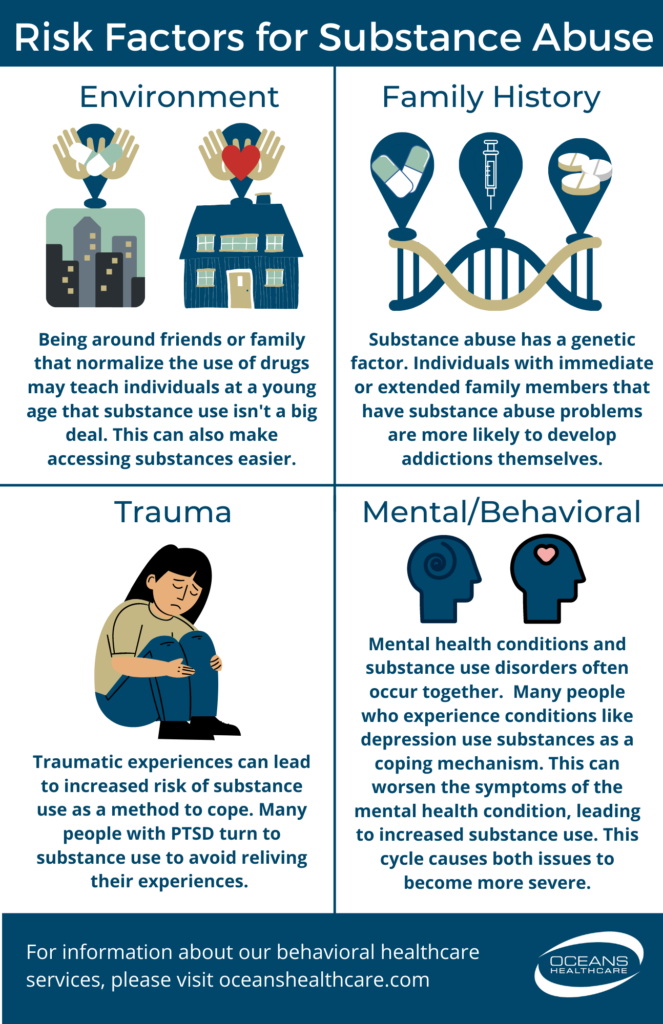

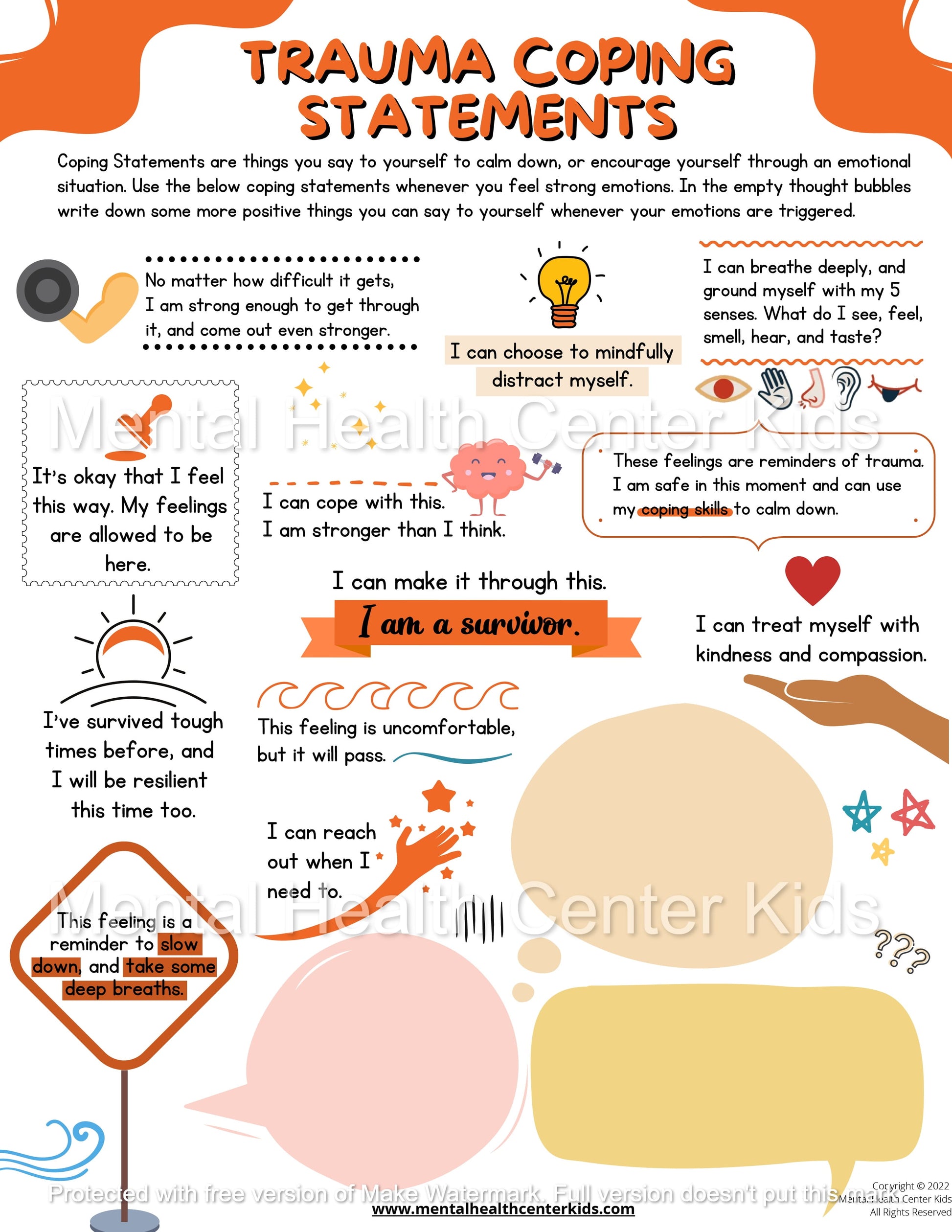
Caption: Trauma-driven coping patterns significantly raise the likelihood of substance dependence.
The increased addiction risk linked to abuse stems from several interconnected factors:
-
Self-medication: Substances are used to dull emotional pain, flashbacks, or shame.
-
Dissociation relief: Drugs or alcohol help people escape overwhelming memories or emotions.
-
Learned survival behaviors: When safety was absent early in life, substances may feel like control or comfort.
-
Co-occurring conditions: Depression, PTSD, and anxiety—common after abuse—further elevate addiction risk.
Together, these elements can triple the likelihood of developing substance use disorders.
Why Childhood Abuse Is Especially Dangerous
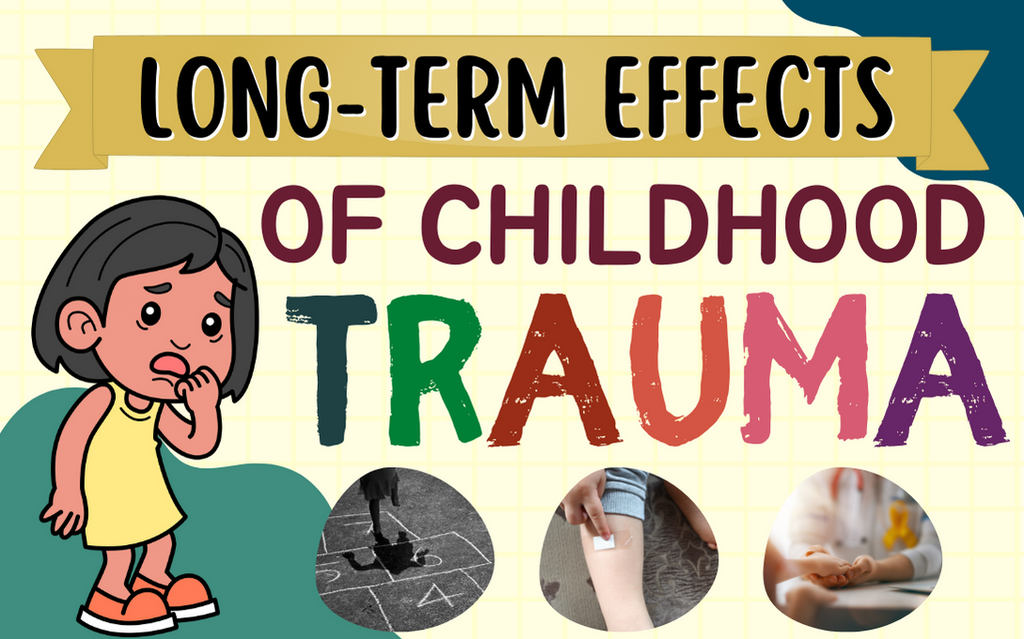

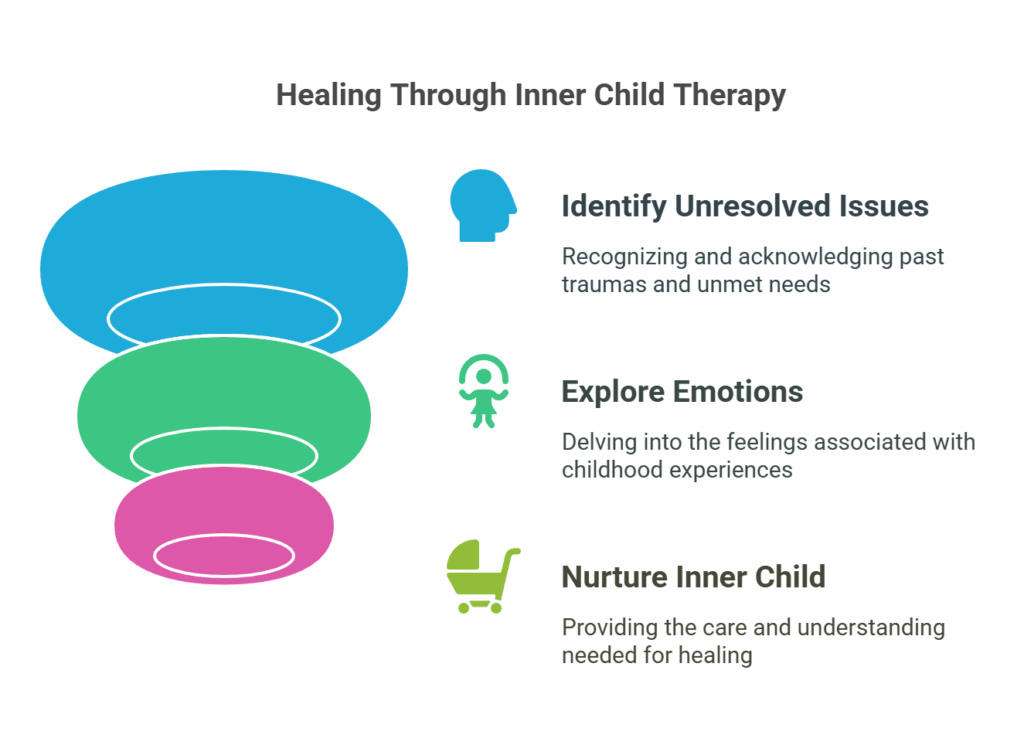
Caption: Early trauma shapes coping patterns that can persist into adulthood.
Abuse during childhood occurs while the brain is still developing. This can result in:
-
Long-lasting changes to stress tolerance
-
Difficulty forming secure relationships
-
Increased impulsivity and emotional dysregulation
As adults, survivors may turn to substances not for pleasure—but for relief, making addiction harder to recognize and treat.
Breaking the Trauma–Addiction Cycle
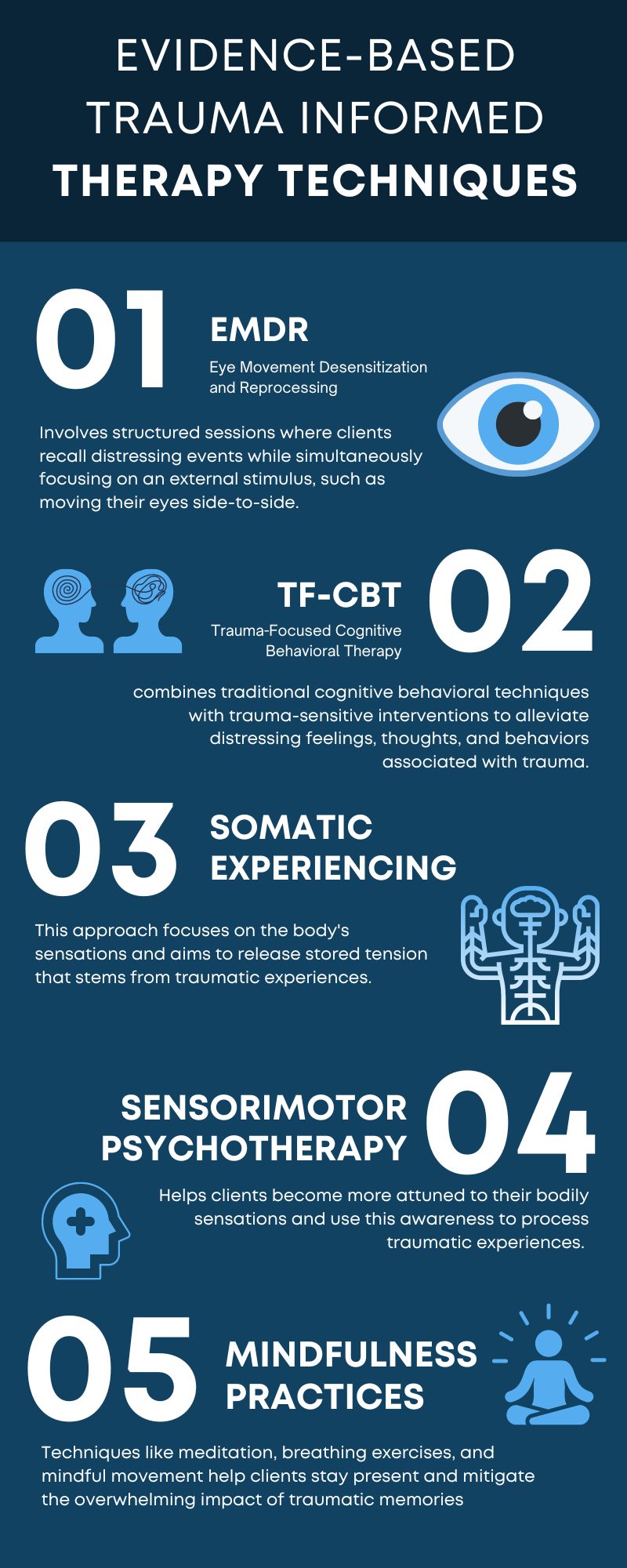

Caption: Trauma-informed care addresses both abuse history and addiction simultaneously.
Recovery is possible—but it requires addressing both trauma and substance use, not just one or the other. Effective approaches include:
-
Trauma-informed therapy (EMDR, somatic therapy, trauma-focused CBT)
-
Integrated addiction treatment that acknowledges abuse history
-
Safe support systems that rebuild trust and emotional regulation
-
Mind-body practices to calm the nervous system
Healing does not mean forgetting the past—it means no longer being controlled by it.
Conclusion
Abuse does more than cause emotional pain—it fundamentally increases the risk of addiction, sometimes by threefold or more. Understanding this connection is essential for compassion, effective treatment, and real recovery. Addiction rooted in trauma is not a moral failure; it is a survival response. With the right support, survivors can reclaim safety, autonomy, and a life free from substance dependence.