

If your dog is suddenly drinking far more water than usual, refilling the bowl constantly, or asking to go outside to pee much more often, this is not something to ignore. Excessive thirst (called polydipsia) is one of the clearest warning signs of diabetes, but it can also point to other serious medical conditions.
This article explains why dogs drink too much water, whether diabetes is likely, other causes to consider, and what you should do next.
What Counts as “Drinking Too Much”?
While needs vary by size and activity, warning signs include:
-
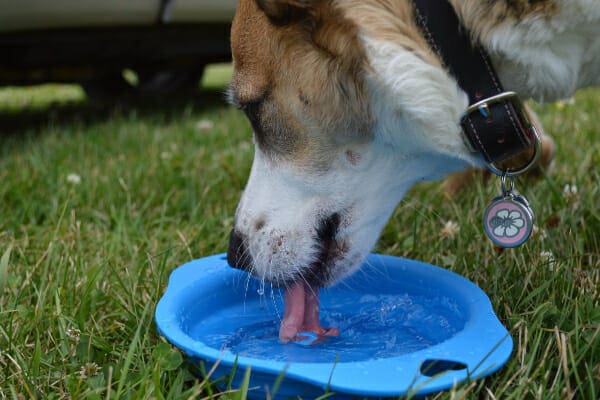
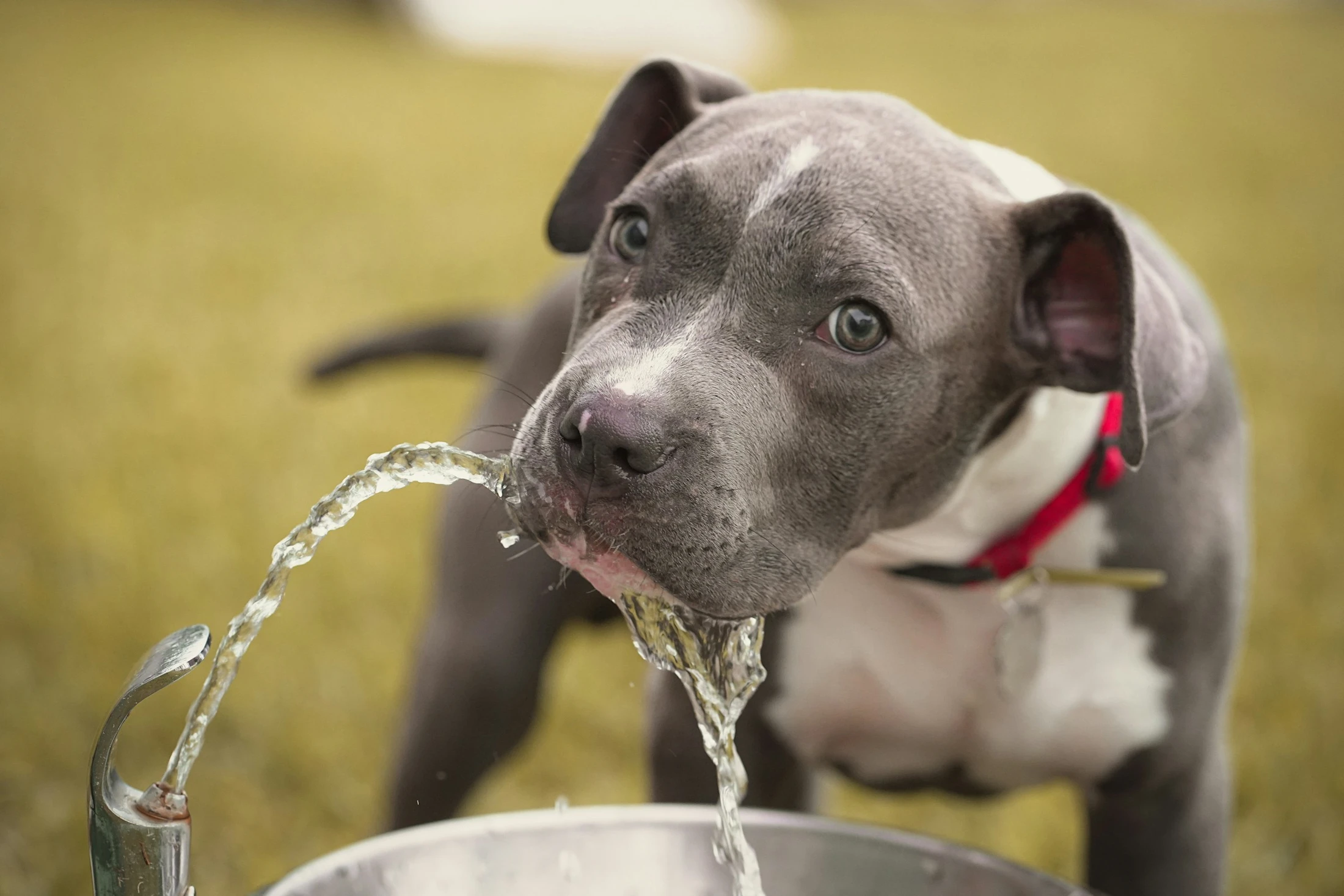
Emptying the water bowl multiple times a day
-
Drinking urgently or obsessively
-
Needing to urinate much more often
-
Accidents in the house despite being trained
-
Drinking even in cool weather or at night
👉 A sudden increase is more concerning than lifelong “good hydration.”
Is Diabetes the Cause? (Very Possible)
Diabetes Mellitus
One of the most common causes of excessive drinking in dogs.
-
The body can’t use glucose properly
-
Sugar spills into the urine
-
Water follows → excessive thirst and urination
Other classic signs:
-
Increased appetite
-
Weight loss despite eating
-
Lethargy
-
Cloudy eyes (cataracts) in some dogs
⚠️ Untreated diabetes can become life-threatening.
Other Common Causes of Excessive Drinking
1. Kidney Disease
Failing kidneys can’t conserve water.
-
Very common in senior dogs
-
Often paired with weight loss, nausea, or bad breath
2. Cushing’s Disease
⚠️ Extremely common endocrine disorder.
-
Excess cortisol increases thirst
-
Dogs may also pant, gain weight, and lose fur
3. Urinary Tract Infection (UTI)
-
Irritation causes frequent urination
-
Dogs drink more to compensate
4. Liver Disease
-
Toxin buildup affects thirst regulation
-
Often paired with appetite or behavior changes
5. Medications
Drugs that commonly increase thirst:
-
Steroids (prednisone)
-
Diuretics
-
Anti-seizure medications
6. Heat, Exercise, or Diet
Less concerning if:
-
Weather is hot
-
Activity increased
-
Diet changed (dry food or salty treats)
But these causes should still normalize quickly.
When Excessive Drinking Is a Red Flag
🚨 See your vet promptly if drinking is paired with:
-
Increased urination
-
Weight loss or gain
-
Increased appetite
-
Lethargy or weakness
-
Vomiting or diarrhea
-
Accidents in the house
Excessive thirst is often an early sign of systemic disease.
What You Should Do Right Now
-
Measure water intake over 24 hours
-
Do NOT restrict water (this can be dangerous)
-
Note appetite, weight, and urination changes
-
Schedule a vet visit for blood & urine tests
❌ Don’t wait weeks
❌ Don’t assume it’s “just aging”
How Vets Diagnose the Cause
Your veterinarian may recommend:
-
Blood glucose testing (for diabetes)
-
Urinalysis (glucose, concentration, infection)
-
Kidney and liver blood values
-
Hormone testing if needed
Diagnosis is usually straightforward and fast.
Can This Be Treated?
Yes—most causes are manageable, especially when caught early:
-
Diabetes: insulin + diet management
-
Kidney disease: diet, fluids, medications
-
Cushing’s: medical management
-
UTIs: antibiotics
Early treatment greatly improves quality and length of life.
Final Takeaway
If your dog is drinking too much water, diabetes is a real possibility—but not the only one. Excessive thirst is your dog’s body signaling that something internal is out of balance.
🐾 Water bowls don’t empty themselves for no reason. Acting early can protect your dog’s health—and sometimes save their life.