
Introduction
Stress is more than an emotional reaction—it is a powerful biological force that reshapes how the brain functions. Under prolonged stress, the brain begins to prioritize survival over balance, subtly pushing itself toward dopamine-driven behaviors. This shift explains why stress so often leads to cravings, impulsive decisions, addictive habits, and emotional burnout. Understanding this process is key to breaking the cycle.
The Brain’s Stress Response: A Survival Mechanism
When stress hits, the brain activates the hypothalamic–pituitary–adrenal (HPA) axis, releasing cortisol and adrenaline. These hormones prepare the body for immediate action—fight or flight.
In the short term, this response is helpful.
In the long term, chronic stress keeps the brain in a constant state of alert, draining emotional reserves and disrupting normal neurotransmitter balance.
Why Stress Drives the Brain Toward Dopamine
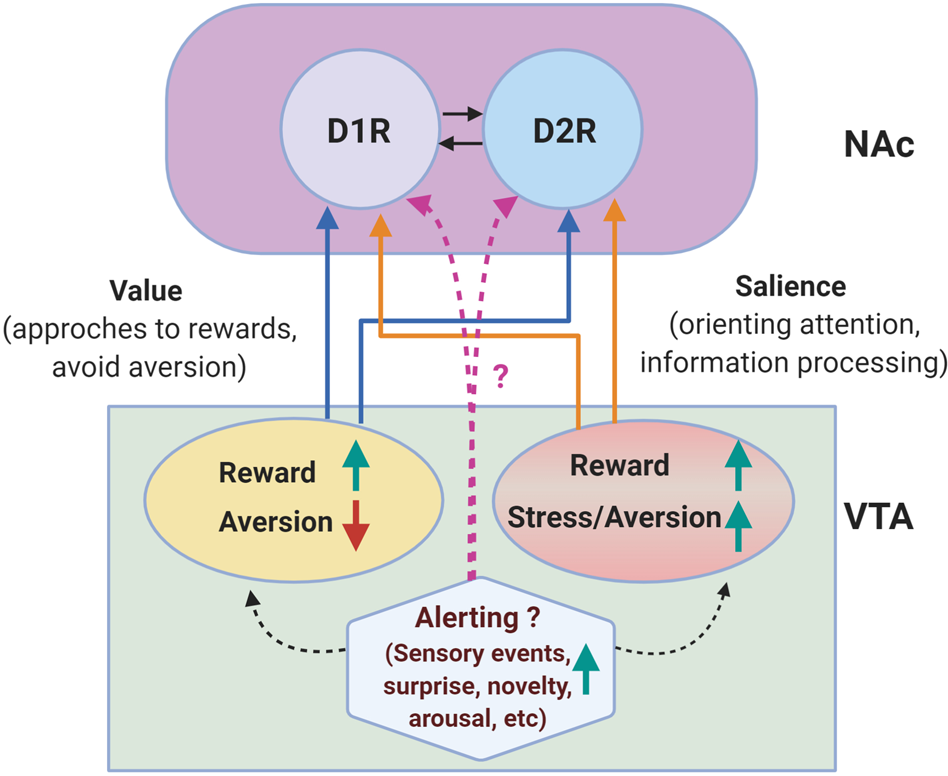


Dopamine is the brain’s motivation and reward chemical. It helps us feel pleasure, anticipation, and relief. Under stress:
-
Cortisol suppresses serotonin and other calming neurotransmitters
-
Emotional regulation weakens
-
The brain seeks fast relief, not long-term well-being
Dopamine becomes the shortcut.
This is why stressed brains are drawn to:
-
Alcohol or substances
-
Social media scrolling
-
Gambling or impulsive spending
-
Comfort eating or binge behaviors
These activities temporarily spike dopamine, giving the brain a brief sense of control and relief.
The Dopamine Trap: Short Relief, Long Damage
Repeated dopamine spikes train the brain to associate stress with reward-seeking. Over time:
-
Natural dopamine production decreases
-
Pleasure from normal activities fades
-
Cravings intensify under pressure
-
Stress tolerance drops even further
This creates a feedback loop:
More stress → stronger cravings → lower baseline dopamine → more stress
Stress, Dopamine, and Addiction Vulnerability


Chronic stress is one of the strongest predictors of addiction and relapse. The stressed brain:
-
Overvalues immediate rewards
-
Undervalues long-term consequences
-
Loses impulse control
-
Becomes hypersensitive to cues linked to dopamine release
This explains why people often relapse during emotionally intense periods—even after long periods of recovery.
Breaking the Stress–Dopamine Cycle
The solution is not to eliminate dopamine, but to rebalance the brain.
Healthy ways to restore dopamine regulation include:
-
Consistent sleep and circadian rhythm
-
Physical movement (especially aerobic exercise)
-
Mindfulness and breathwork to calm the HPA axis
-
Trauma-informed therapy to reduce baseline stress
-
Gradual reduction of high-dopamine, high-stimulation habits
When stress decreases, the brain no longer needs to chase dopamine for survival.
Conclusion
Stress doesn’t just make us feel overwhelmed—it rewires the brain’s reward system. By pushing the brain toward dopamine-driven coping, chronic stress increases vulnerability to addiction, burnout, and emotional dysregulation. Understanding this mechanism empowers us to intervene earlier, reduce stress at its source, and rebuild a healthier relationship with reward and motivation.