

Introduction
Stress is a natural part of life, but how we respond to it makes all the difference. Many people turn to alcohol, nicotine, or other substances to cope, only to find that stress worsens over time. The good news is that there are effective, healthy ways to reduce stress without relying on substances. These approaches not only calm the mind but also strengthen long-term emotional resilience.
1. Practice Slow, Intentional Breathing

Image caption: Slow breathing activates the parasympathetic nervous system, helping the body shift out of stress mode.
Deep breathing is one of the fastest ways to calm the nervous system. Techniques like box breathing or diaphragmatic breathing lower heart rate, reduce cortisol, and signal safety to the brain. Even five minutes of focused breathing can noticeably reduce anxiety and tension.
2. Move Your Body Gently but Consistently
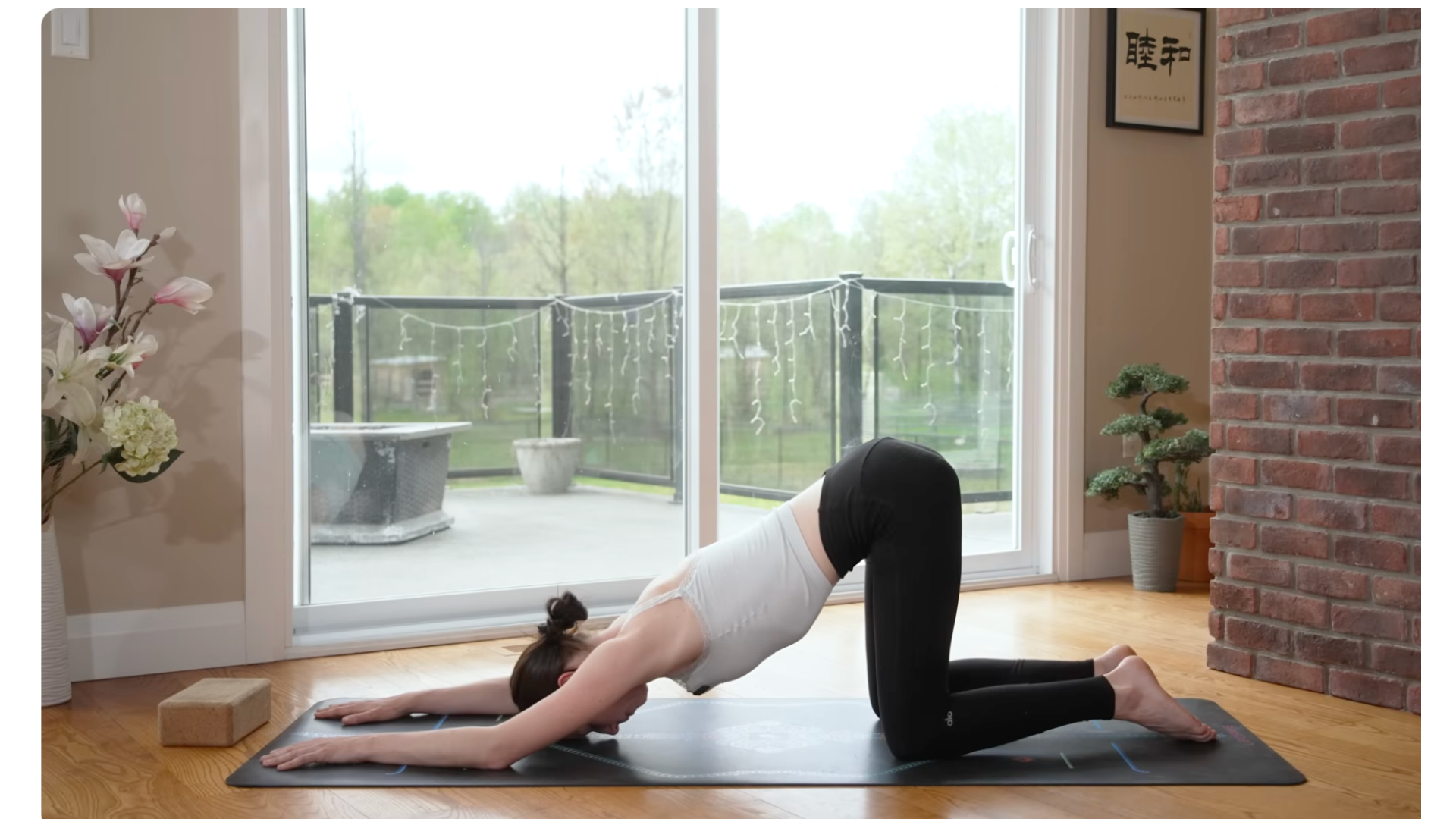


Image caption: Gentle movement releases built-up stress while improving mood naturally.
You don’t need intense workouts to manage stress. Walking, stretching, yoga, or light cycling release endorphins—your body’s natural mood enhancers—without overwhelming the nervous system. Regular movement also improves sleep, which plays a major role in stress regulation.
3. Ground Yourself in the Present Moment


Image caption: Grounding techniques bring attention away from racing thoughts and back into the body.
Stress often comes from worrying about the future or replaying the past. Grounding exercises—like naming five things you can see or feeling your feet on the floor—anchor your awareness in the present. This helps interrupt stress spirals before they escalate.
4. Create a Daily Calm Routine


Image caption: Simple daily rituals train the brain to expect moments of calm.
A predictable routine gives the nervous system a sense of stability. Journaling, herbal tea, reading, or listening to soft music at the same time each day can signal to your brain that it’s safe to relax. Over time, these habits reduce baseline stress levels.
5. Connect With Others in Healthy Ways



Image caption: Human connection lowers stress hormones and increases emotional safety.
Isolation can intensify stress and cravings. Talking with a trusted friend, joining a support group, or simply spending time with someone who listens can dramatically reduce emotional pressure. Connection reminds us that we don’t have to cope alone.
6. Improve Sleep to Lower Stress
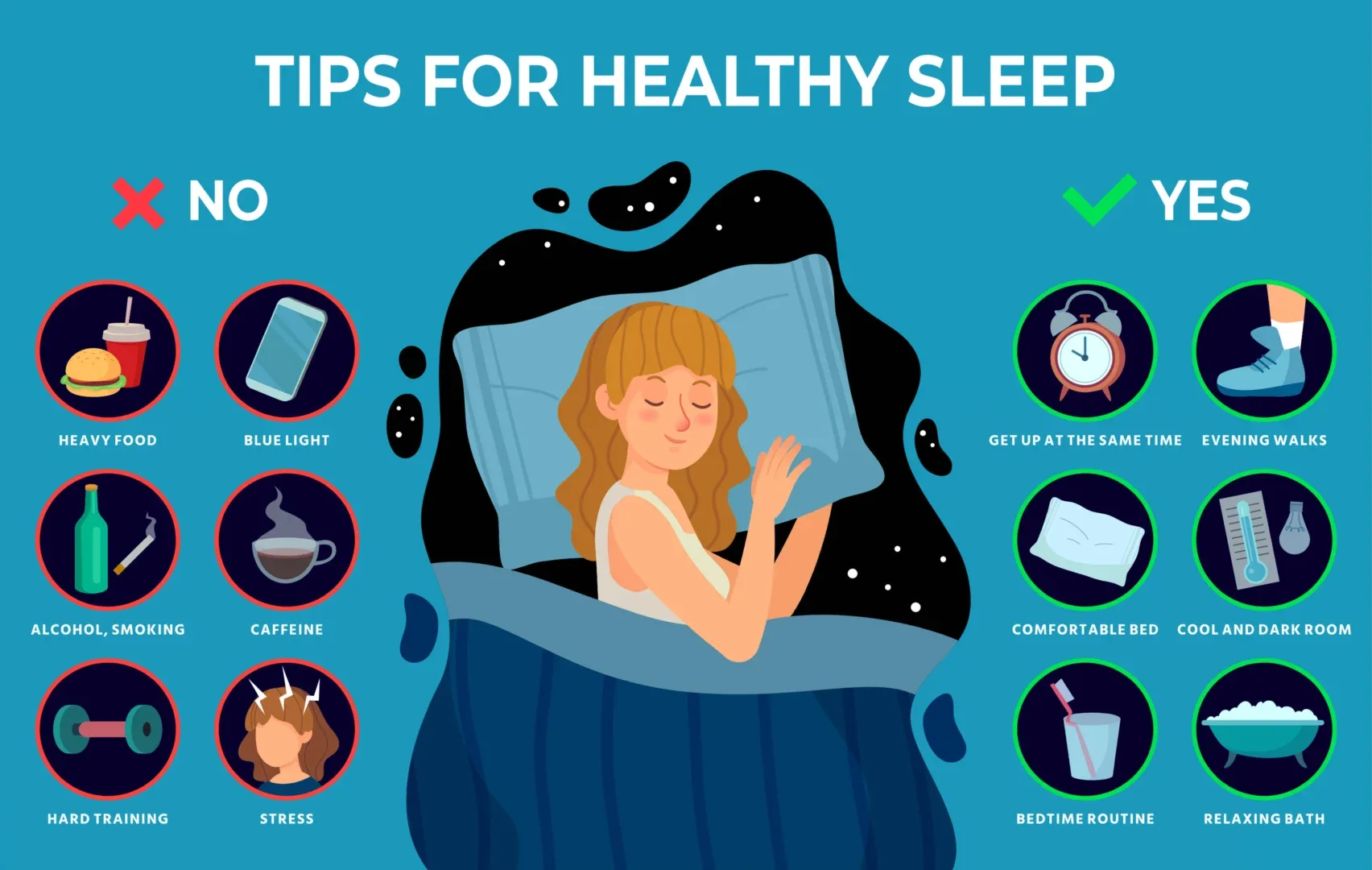

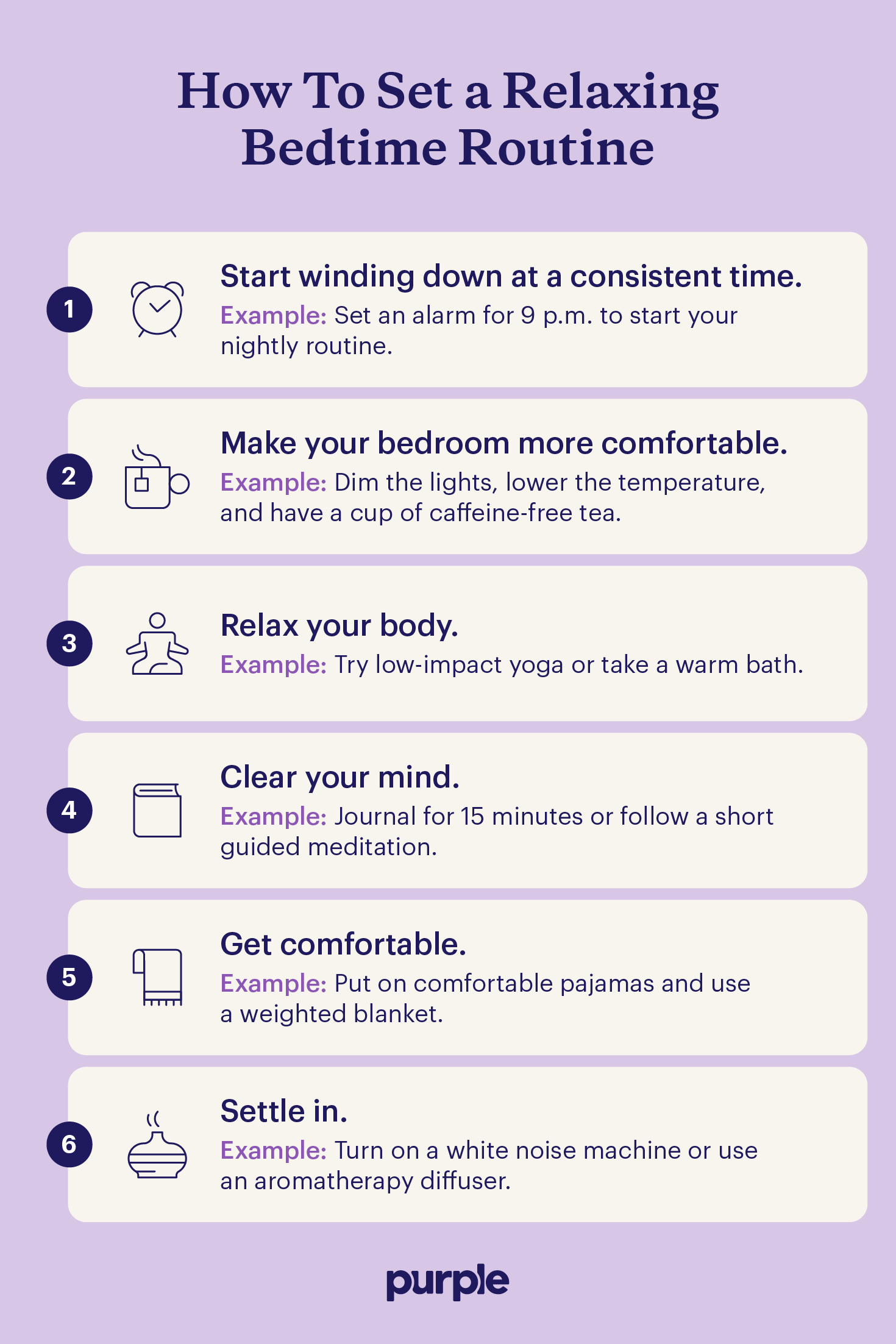
Image caption: Quality sleep restores emotional balance and improves stress tolerance.
Poor sleep and stress fuel each other. Reducing screen time before bed, keeping a consistent sleep schedule, and creating a calm sleep environment can significantly improve stress resilience. Better sleep means better emotional regulation during the day.
7. Use Creative Expression as an Outlet


Image caption: Creative expression releases emotions that words alone cannot.
Art, music, writing, or crafting allow stress to move out of the body in a healthy way. These activities engage the brain differently than substances do—offering relief without harm while building confidence and self-awareness.
Final Thoughts
Reducing stress without using substances is not about perfection—it’s about progress. Each healthy coping strategy strengthens the brain’s ability to regulate emotions naturally. Over time, these small, consistent choices create a calmer, more resilient mind and body.
Stress may be unavoidable, but suffering doesn’t have to be. Healthy coping is a skill—and it can be learned, practiced, and mastered.