
Introduction
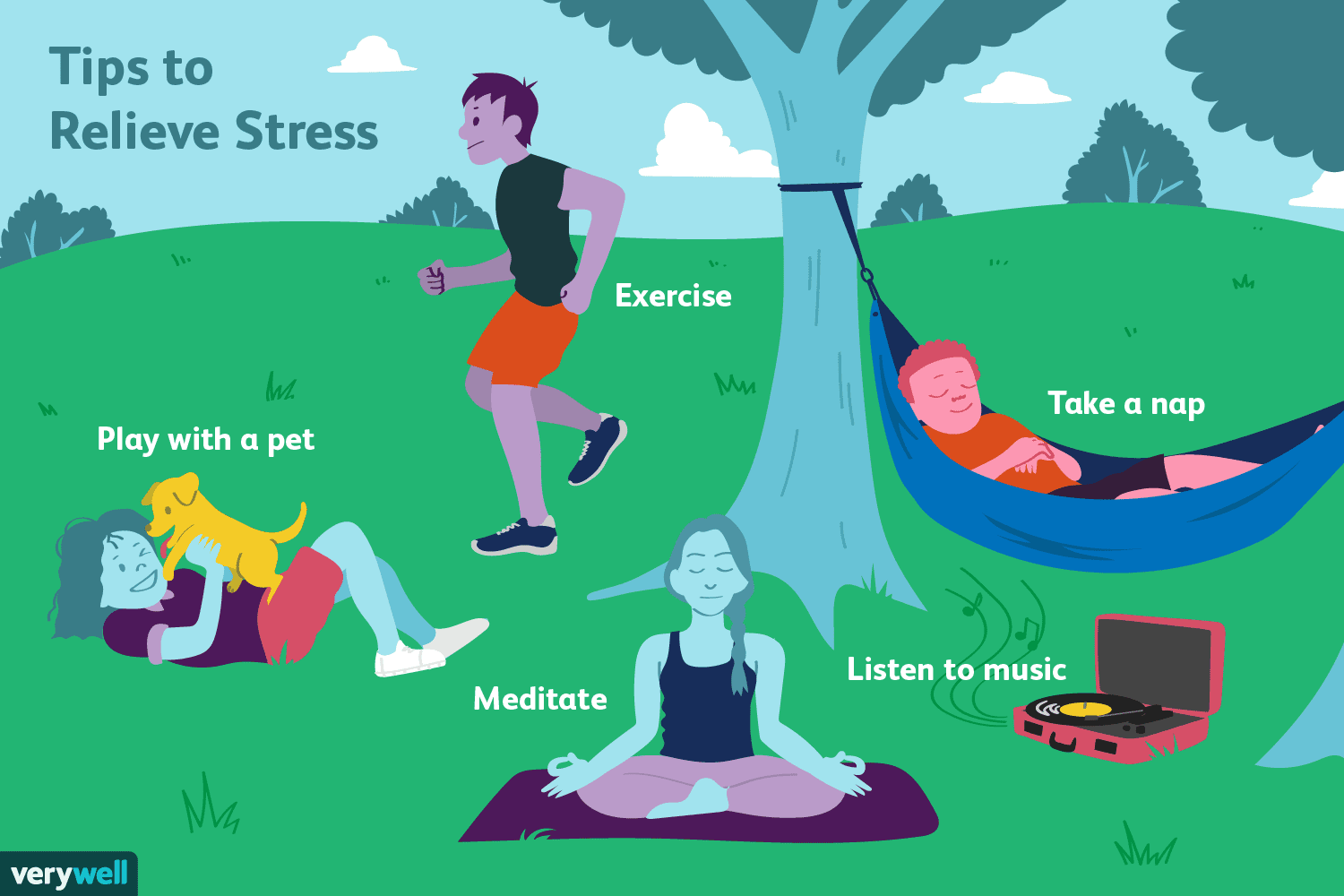
Stress-based cravings don’t come from weakness—they come from biology. When stress spikes, the brain searches for fast comfort, often pushing us toward substances, sugar, nicotine, or compulsive behaviors. The good news is that cravings can be reduced. Small, consistent habits can retrain the brain to respond to stress without reaching for harmful relief.


1. Practice Slow, Intentional Breathing
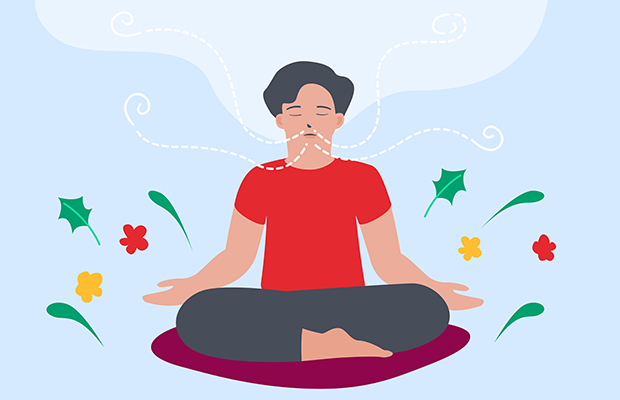
Stress activates the nervous system, increasing cortisol and intensifying cravings. Slow breathing sends a signal of safety to the brain, reducing the urge for quick dopamine fixes.
Try this:
-
Inhale for 4 seconds
-
Hold for 2 seconds
-
Exhale for 6 seconds
Repeat for 2–3 minutes when a craving hits.
Image caption: Slow breathing calms the nervous system and weakens stress-driven urges.


2. Protect Your Sleep Routine
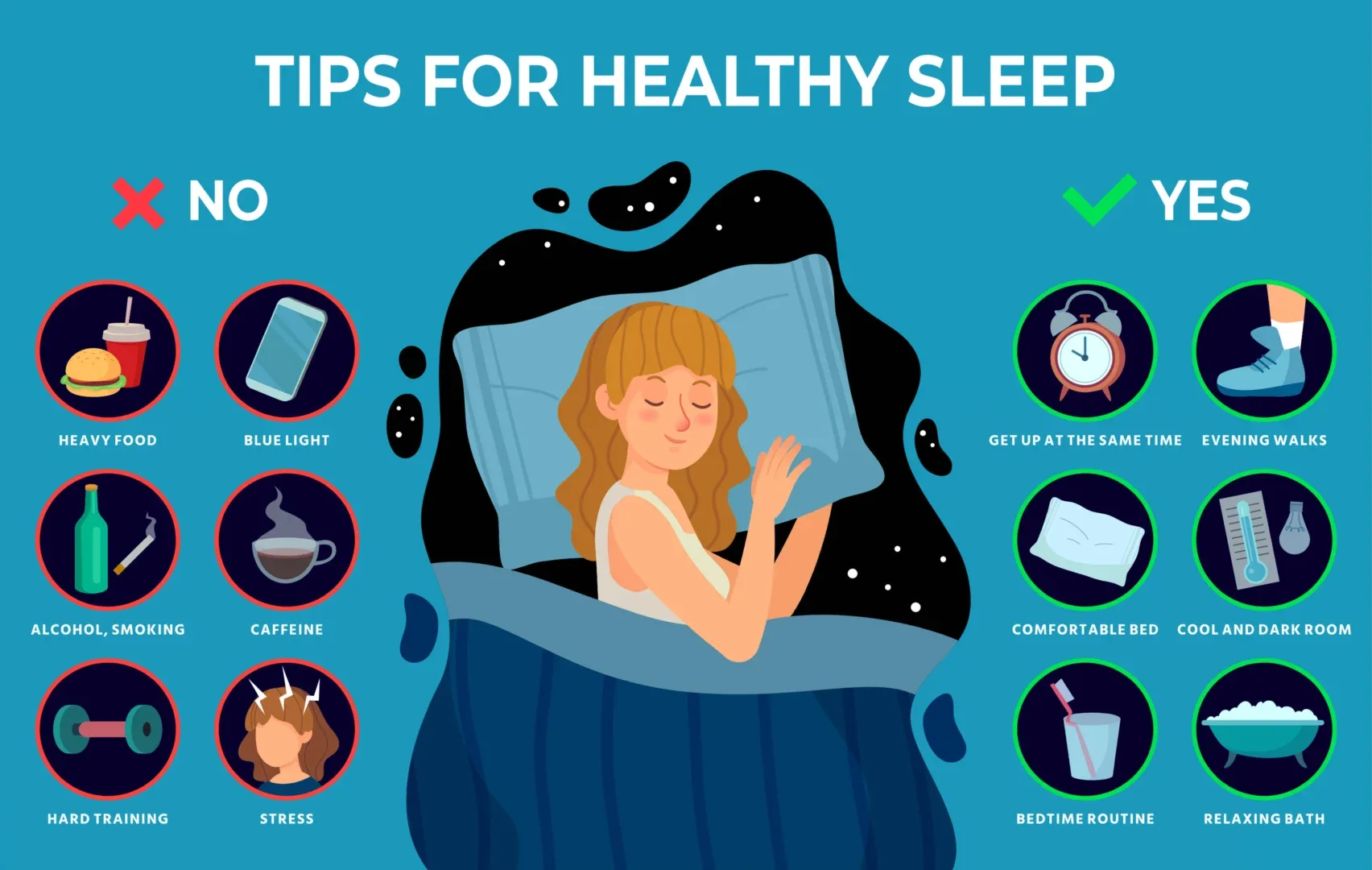
Lack of sleep lowers impulse control and increases sensitivity to stress. When tired, the brain craves faster rewards—often through substances or compulsive behaviors.
Helpful habits:
-
Go to bed and wake up at the same time daily
-
Reduce screen exposure before sleep
-
Avoid caffeine late in the day
Better sleep strengthens emotional regulation and reduces craving intensity.
Image caption: Quality sleep improves self-control and reduces vulnerability to cravings.


3. Use Gentle Movement to Release Stress
You don’t need intense workouts. Gentle movement lowers stress hormones and boosts natural dopamine in a healthy way.
Effective options include:
-
Walking outdoors
-
Stretching or yoga
-
Light body-weight exercises
Movement helps discharge stress stored in the body—reducing the emotional pressure that fuels cravings.
Image caption: Gentle movement replaces stress-driven cravings with natural relief.
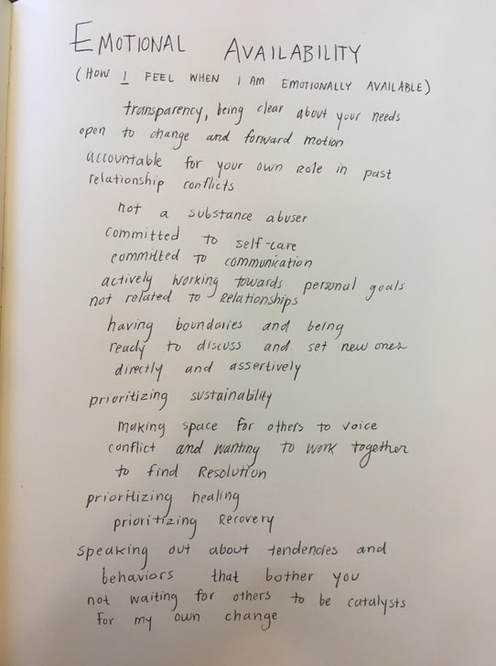

4. Name the Emotion Behind the Craving
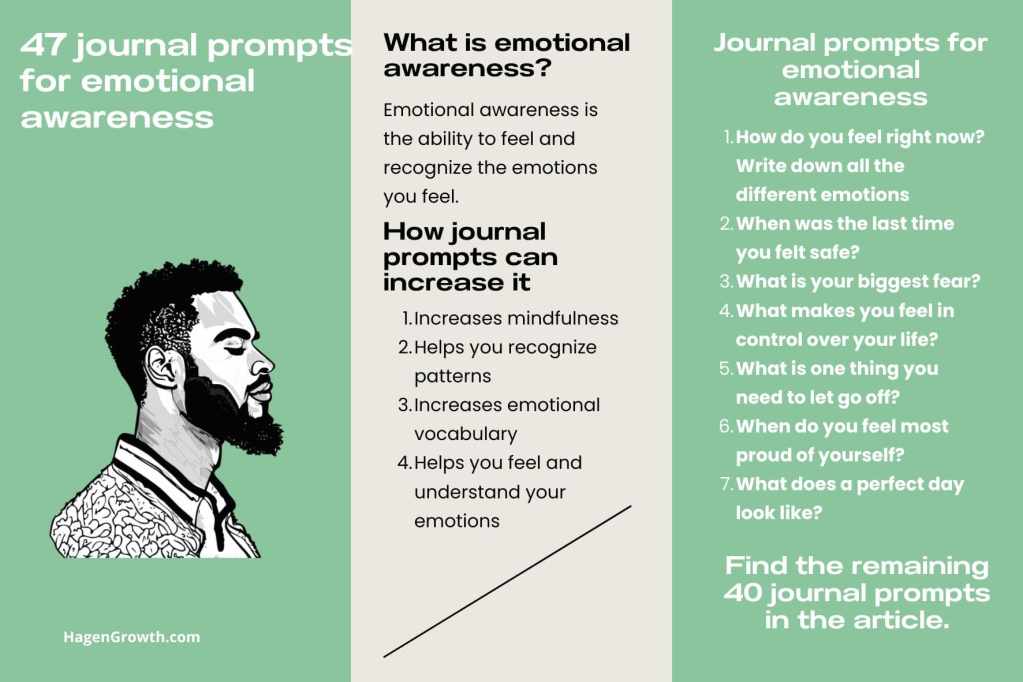
Cravings often mask emotions like anxiety, frustration, loneliness, or exhaustion. Naming the emotion reduces its power.
Ask yourself:
-
What am I actually feeling right now?
-
What do I need—not what do I want?
Writing it down or saying it out loud helps the brain process emotion instead of escaping it.
Image caption: Awareness transforms cravings into emotional signals—not commands.


5. Create a Non-Substance Comfort Ritual
Cravings thrive when comfort options are limited. Replacing harmful habits with safe, repeatable rituals builds new neural pathways.
Examples:
-
Hot tea or a warm shower
-
Listening to calming music
-
Reading or creative hobbies
-
Grounding techniques like holding something cold or textured
Consistency matters more than intensity.
Image caption: Healthy comfort rituals teach the brain safer ways to self-soothe.
Conclusion
Stress-based cravings are learned responses—and they can be unlearned. By practicing these five habits consistently, you reduce stress at its source instead of masking it. Over time, the brain learns that safety, calm, and relief are available without harmful shortcuts.