
Introduction
Stress is more than an emotional experience—it’s a biological event that reshapes how the brain makes decisions. At the center of this process is cortisol, the body’s primary stress hormone. While cortisol helps us survive danger, chronic elevation can quietly increase the urge to use substances like alcohol, nicotine, or drugs. Understanding how cortisol drives cravings is a crucial step in breaking the stress–addiction cycle.
What Is Cortisol and Why Does It Matter?


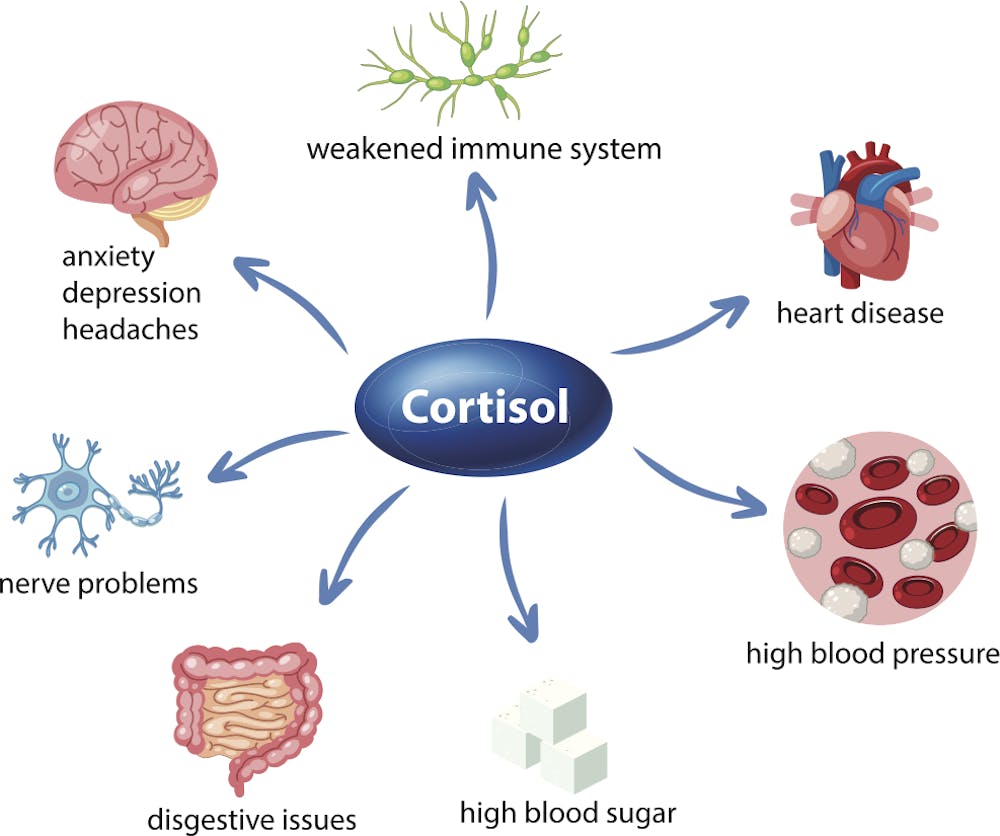
Cortisol is released by the adrenal glands during stressful situations. In short bursts, it helps regulate blood sugar, reduce inflammation, and keep us alert. However, prolonged stress keeps cortisol levels high, pushing the brain into survival mode rather than thoughtful decision-making.
Key effects of elevated cortisol:
-
Heightened anxiety and restlessness
-
Reduced impulse control
-
Increased emotional reactivity
How Cortisol Hijacks the Brain’s Reward System


Chronic cortisol exposure interferes with the brain’s reward circuitry—particularly dopamine signaling. Over time, natural rewards (rest, connection, joy) feel less satisfying. Substances, however, offer fast dopamine relief, making them feel like an escape from stress.
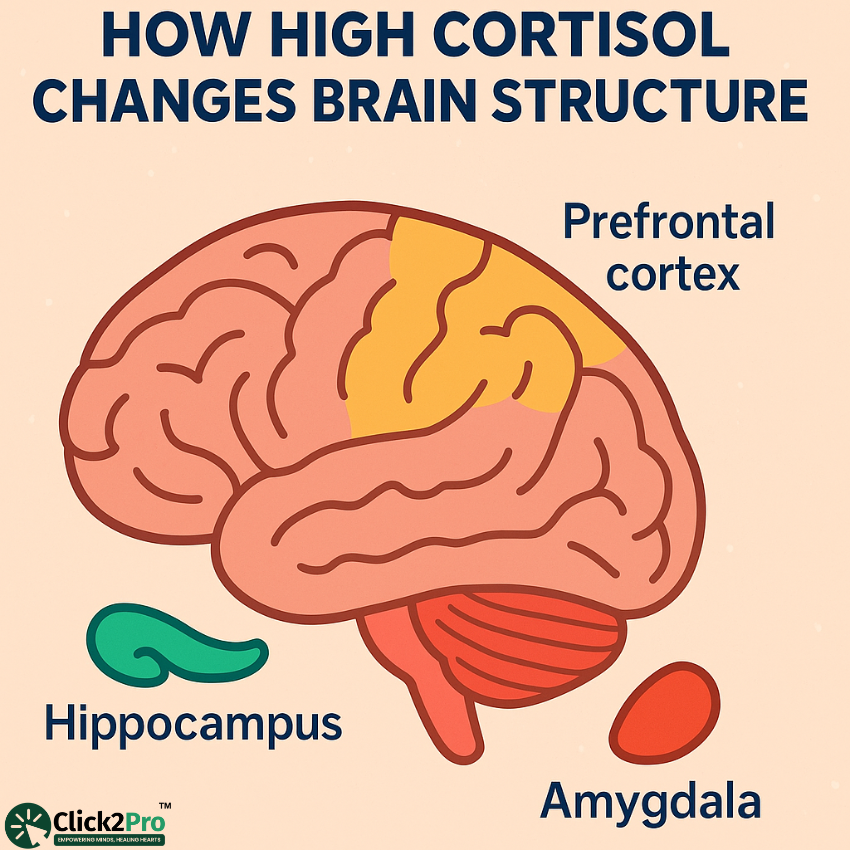
Cortisol also weakens the prefrontal cortex, the area responsible for self-control and long-term thinking. This makes it harder to resist urges, even when consequences are known.
Why Stress Triggers Cravings So Quickly


When cortisol spikes:
-
The brain seeks immediate relief
-
Emotional discomfort feels urgent and unbearable
-
Substances become linked with “safety” or “calm”
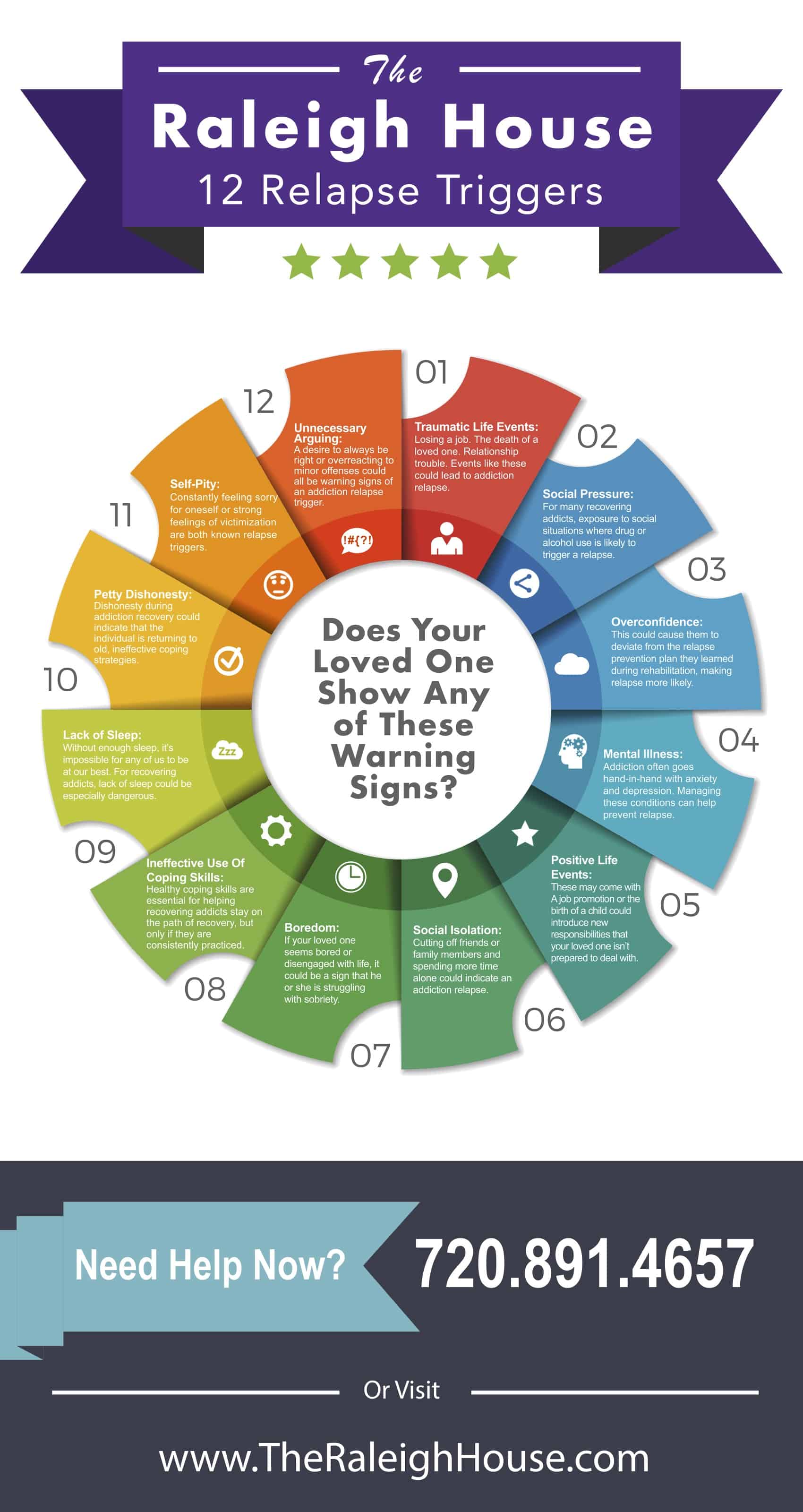
This explains why cravings often appear suddenly during arguments, work pressure, loneliness, or fatigue—even after long periods of abstinence.
Cortisol, Trauma, and Habit Loops


Past trauma can sensitize the stress response system, causing cortisol to rise faster and stay elevated longer. Over time, the brain learns a habit loop:
Stress → Cortisol → Craving → Temporary Relief → More Stress
Breaking this loop requires calming the nervous system—not just resisting the substance.
How to Lower Cortisol and Reduce the Urge to Use
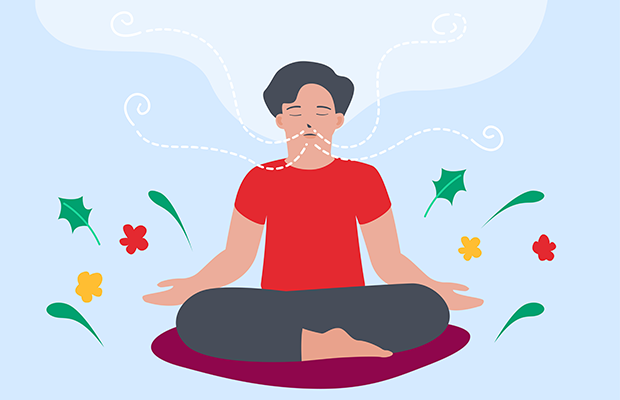

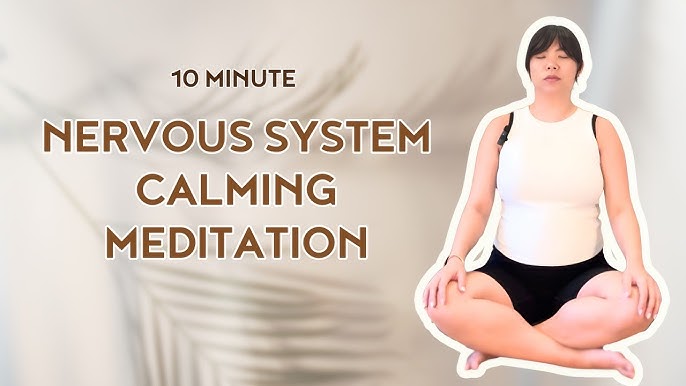
Effective strategies focus on signaling safety to the brain:
-
Slow breathing (especially long exhales)
-
Consistent sleep routines
-
Gentle movement like walking or stretching
-
Mindfulness or grounding exercises
-
Safe social connection
As cortisol decreases, cravings lose their intensity and urgency.
Recovery Is a Nervous System Process
Addiction is not a moral failure—it’s often a stress response. When cortisol runs the system, the urge to use is the brain asking for relief. Real recovery begins by addressing stress at its biological roots and helping the nervous system relearn safety.
Lower stress doesn’t just improve mood—it restores choice.