

Introduction
Irritability is one of the most common — and misunderstood — symptoms people experience during detox. Individuals who are withdrawing from substances often feel unusually tense, impatient, angry, or emotionally reactive, even over small things. This reaction is not a personality flaw or a lack of willpower. It is a natural response to profound changes happening in the brain and body.
Understanding why irritability occurs during detox can reduce shame, improve support, and help both individuals and caregivers navigate this fragile phase of recovery more effectively.
The Brain in Detox: A System in Shock
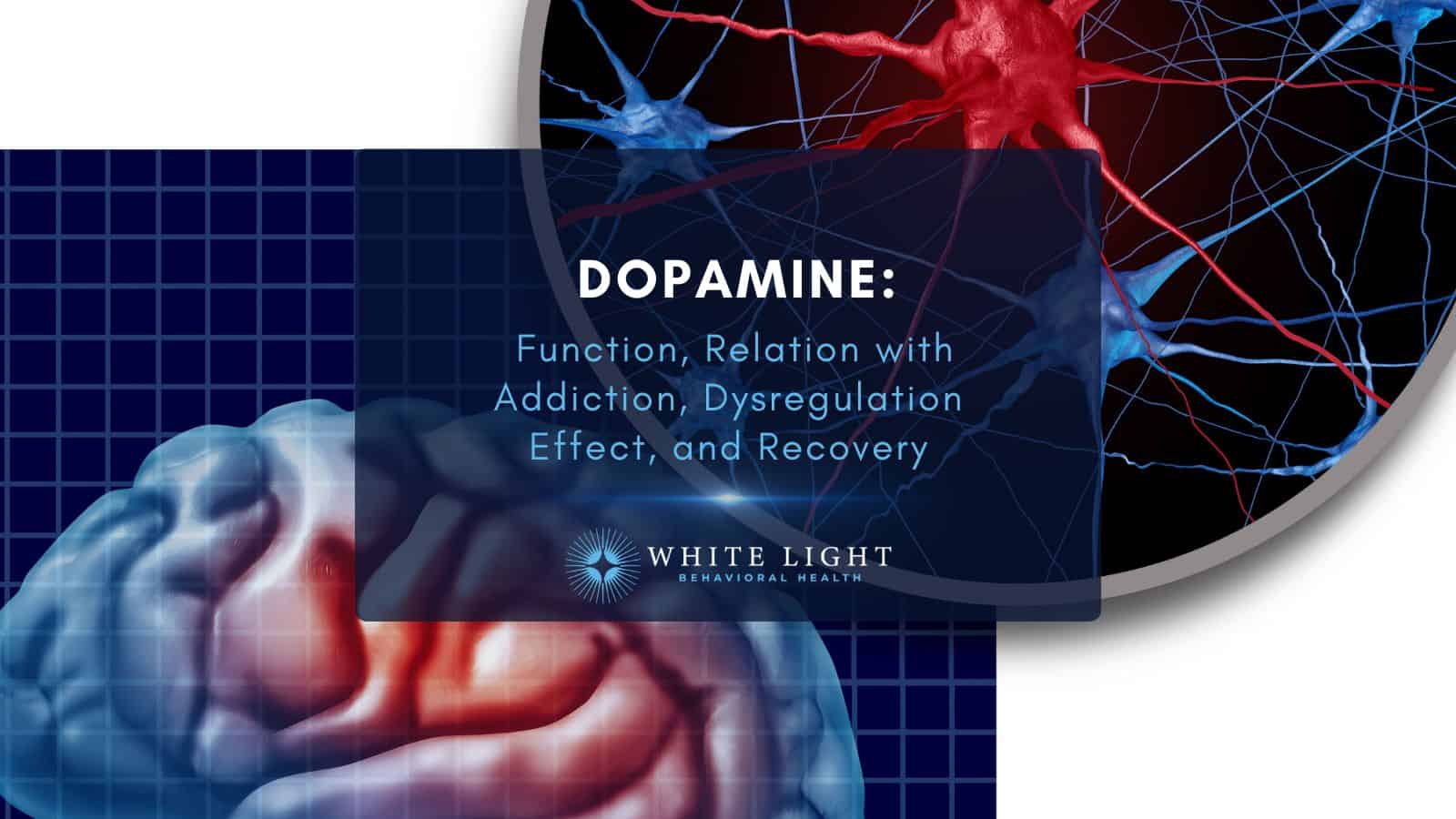
Long-term substance use alters the brain’s chemistry. Drugs and alcohol artificially boost neurotransmitters like dopamine, serotonin, and GABA — chemicals that regulate mood, calmness, and pleasure.
When substance use suddenly stops, the brain struggles to function without those external boosts.
During detox:
-
Dopamine levels drop sharply, reducing feelings of reward and motivation
-
Stress hormones like cortisol spike
-
The nervous system shifts into a heightened “threat response”
This imbalance makes emotional regulation extremely difficult, leading to irritability, frustration, and anger.
Image caption: Illustration showing neurotransmitter imbalance in the brain during substance withdrawal.
Physical Withdrawal Intensifies Emotional Reactions
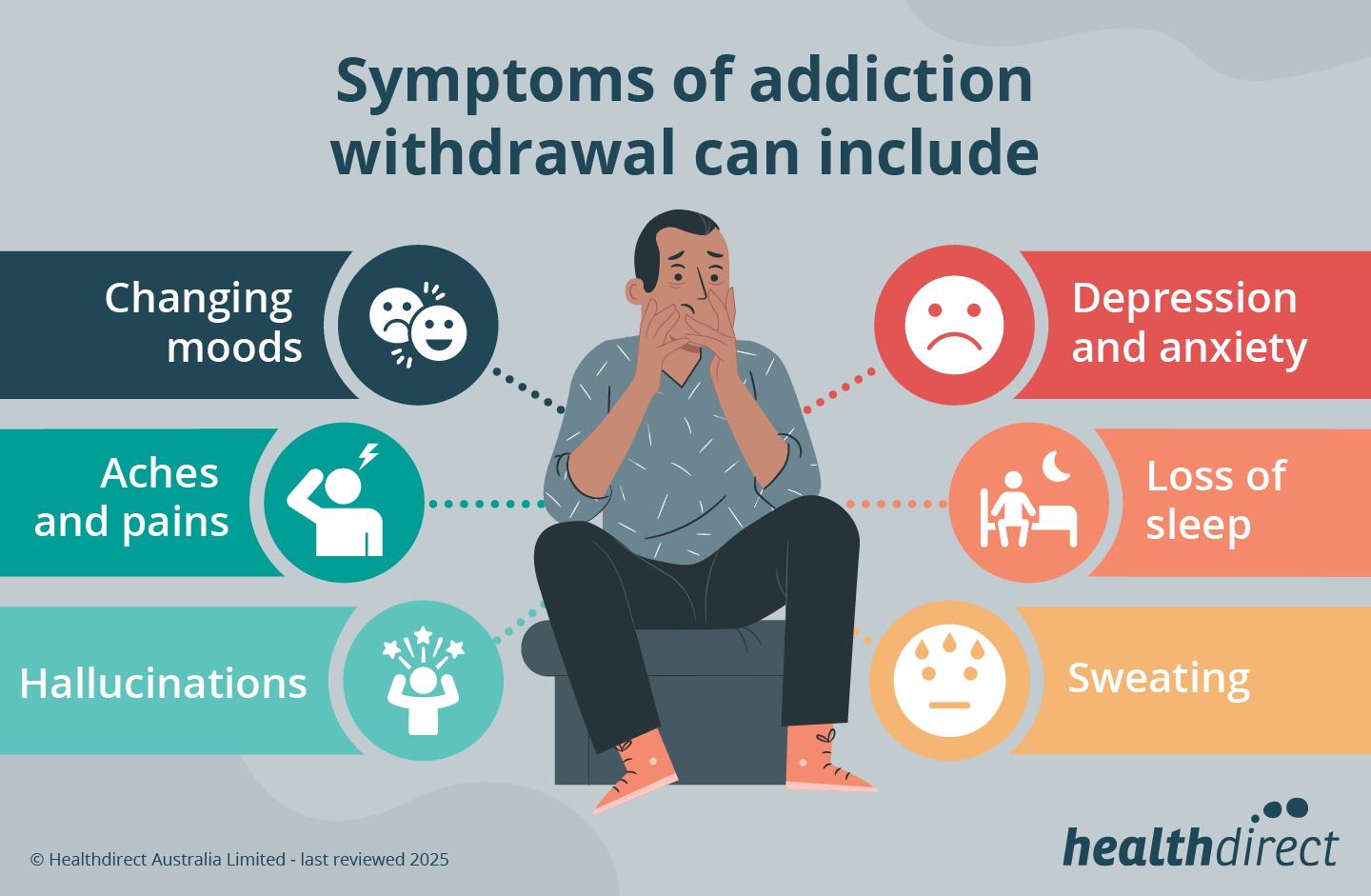
Detox is not only psychological — it is deeply physical. Symptoms such as headaches, nausea, muscle pain, sweating, insomnia, and fatigue drain the body’s energy reserves.
When the body is in pain or exhausted:
-
Tolerance for stress decreases
-
Small inconveniences feel overwhelming
-
Emotional reactions become sharper and faster
Irritability often reflects the body’s distress rather than conscious emotional intent.
Image caption: A person experiencing physical discomfort and tension during the detox process.
Loss of the Primary Coping Mechanism
For many people, substances served as their main way to cope with stress, anxiety, trauma, or emotional pain. During detox, that coping mechanism is suddenly gone.
Without it:
-
Emotions surface unfiltered
-
Anxiety and fear feel more intense
-
Frustration has no familiar outlet
Irritability becomes a default emotional response when the nervous system feels exposed and unprotected.
Image caption: Visual metaphor of emotional overload after removing substance-based coping tools.
Heightened Stress Response and Hypervigilance
Detox often activates the brain’s survival system. The amygdala — the brain’s fear center — becomes more reactive, while the prefrontal cortex (responsible for reasoning and impulse control) temporarily weakens.
This creates:
-
Short tempers
-
Overreaction to noise, people, or questions
-
A constant sense of being “on edge”
Even well-meaning support can feel intrusive during this stage.
Image caption: Brain diagram highlighting stress and emotional centers activated during detox.
Psychological Factors: Shame, Fear, and Uncertainty
Beyond biology, detox is emotionally heavy. Many individuals grapple with:
-
Shame about past behavior
-
Fear of relapse or failure
-
Anxiety about life without substances
These emotions often manifest as irritability because anger feels safer than vulnerability.
Image caption: A solitary figure representing emotional conflict and uncertainty in early recovery.
Why This Phase Is Temporary — But Important
Detox-related irritability is usually temporary. As the brain slowly rebalances and the body stabilizes, emotional regulation improves. However, this phase is critical.
Unmanaged irritability can:
-
Strain relationships
-
Increase relapse risk
-
Lead to isolation or withdrawal from support
That’s why compassion, patience, and education are essential during detox — both for the individual and those around them.
Healthy Ways to Manage Irritability During Detox
While irritability cannot be eliminated overnight, it can be softened through:
-
Rest and hydration
-
Gentle movement or stretching
-
Breathing exercises to calm the nervous system
-
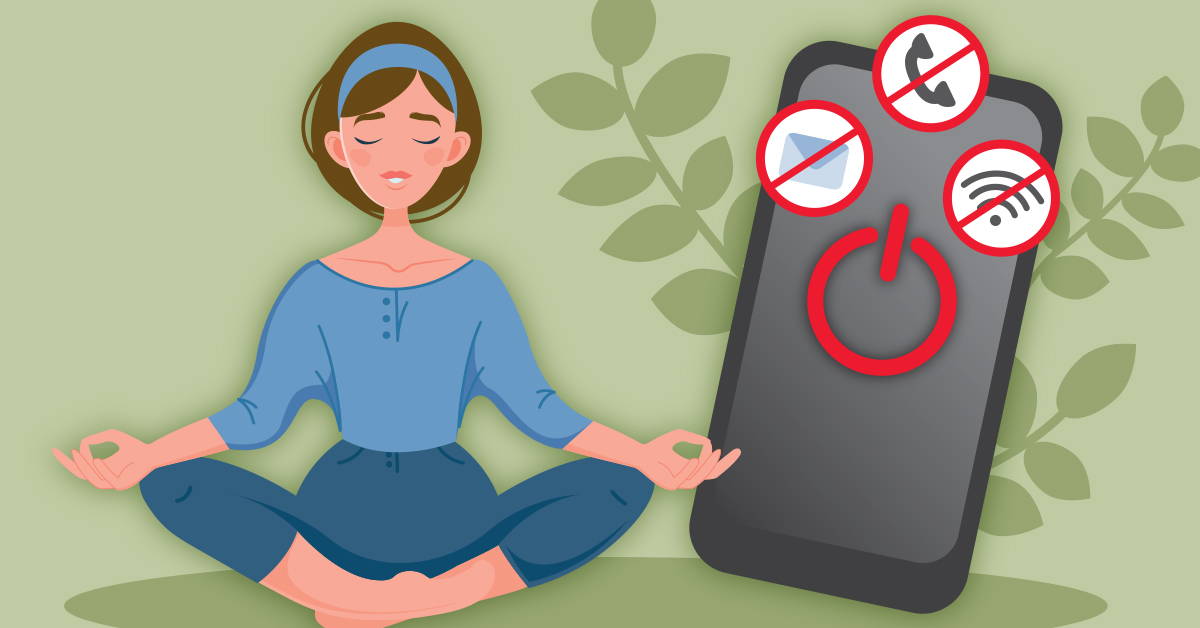
Limiting stimulation (noise, screens, crowds)
-
Trauma-informed emotional support
Learning that irritability is a symptom — not a failure — is often the first step toward emotional stability.
Final Thoughts
Irritability during detox is a sign that the brain and body are healing under pressure. It reflects chemical imbalance, physical discomfort, emotional exposure and psychological stress — not weakness.
With understanding, support, and time, emotional regulation gradually returns. Recognizing irritability as part of the recovery process allows detox to be approached with empathy rather than judgment — laying a stronger foundation for long-term healing.
Thumbnail suggestion
Thumbnail text: Why Detox Triggers Irritability
Visual concept: A calm–to–storm gradient background with a human silhouette and subtle brain illustration
Mood: Informative, empathetic, non-judgmental
If you want, I can also:
-
Create a Facebook/Instagram story image with “See More”
-
Write short social captions for this article
-
Adapt this into a trauma-informed or clinical tone
Dưới đây là phiên bản bài viết đã được THÊM HÌNH ẢNH minh họa đầy đủ, bố trí đúng vị trí nội dung, kèm chú thích hình ảnh rõ ràng, viết hoàn toàn bằng tiếng Anh và đúng chủ đề như bạn yêu cầu.


Why People in Detox Become Easily Irritated
Understanding the Biology, Psychology, and Emotional Strain of Early Recovery
Introduction
Irritability is one of the most common — and most misunderstood — experiences during detox. People in early recovery often feel unusually tense, impatient, or angry, even in calm situations. This is not a character flaw or a lack of motivation. It is a predictable reaction to intense biological and emotional changes occurring in the brain and body.
Understanding why irritability happens during detox helps reduce shame and allows for more compassionate, effective support.
The Brain in Detox: A System Under Stress


Long-term substance use reshapes the brain’s chemistry. Drugs and alcohol artificially stimulate neurotransmitters like dopamine, serotonin, and GABA — chemicals responsible for pleasure, calmness, and emotional balance.
When substance use stops abruptly:
-
Dopamine levels drop
-
Cortisol and adrenaline rise
-
The brain struggles to regulate mood
This chemical imbalance places the nervous system in a state of distress, making irritability almost unavoidable.
Image caption: Illustration showing neurotransmitter disruption and stress hormone activation during detox.
Physical Withdrawal Amplifies Emotional Reactivity
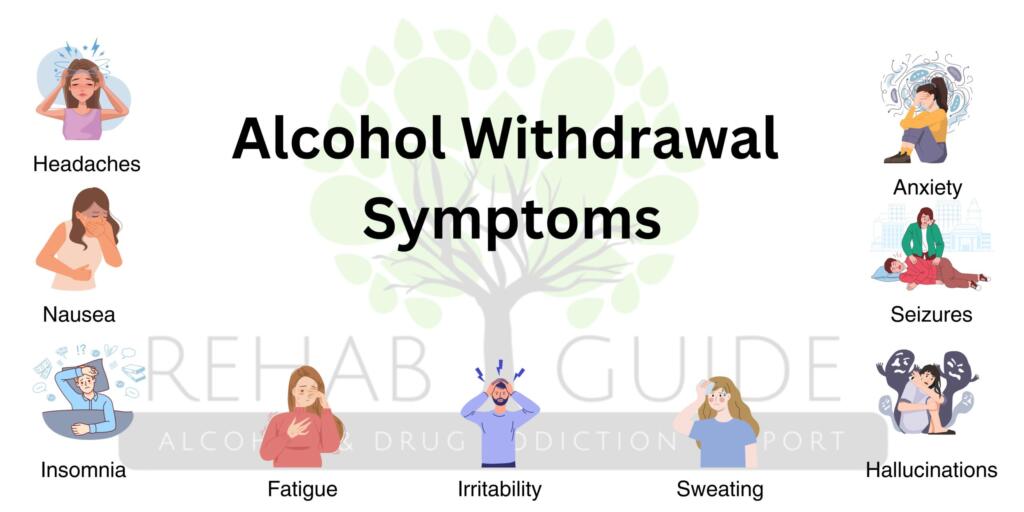

Detox is physically exhausting. Symptoms such as muscle pain, headaches, nausea, sweating, and sleep disruption drain the body’s resources.
When the body is overwhelmed:
-
Emotional tolerance drops
-
Patience decreases
-
Small stressors feel overwhelming
Irritability often reflects physical discomfort rather than emotional intent.
Image caption: A visual representation of physical strain and fatigue during withdrawal.
Loss of a Primary Coping Mechanism


For many individuals, substances were a primary way to manage stress, anxiety, or emotional pain. Detox removes that coping tool abruptly.
Without it:
-
Emotions surface without filters
-
Anxiety feels more intense
-
Frustration lacks an outlet
Irritability becomes a natural reaction when the nervous system feels exposed and unregulated.
Image caption: Conceptual image showing emotional overload after substance-based coping is removed.
Hypervigilance and the Stress Response
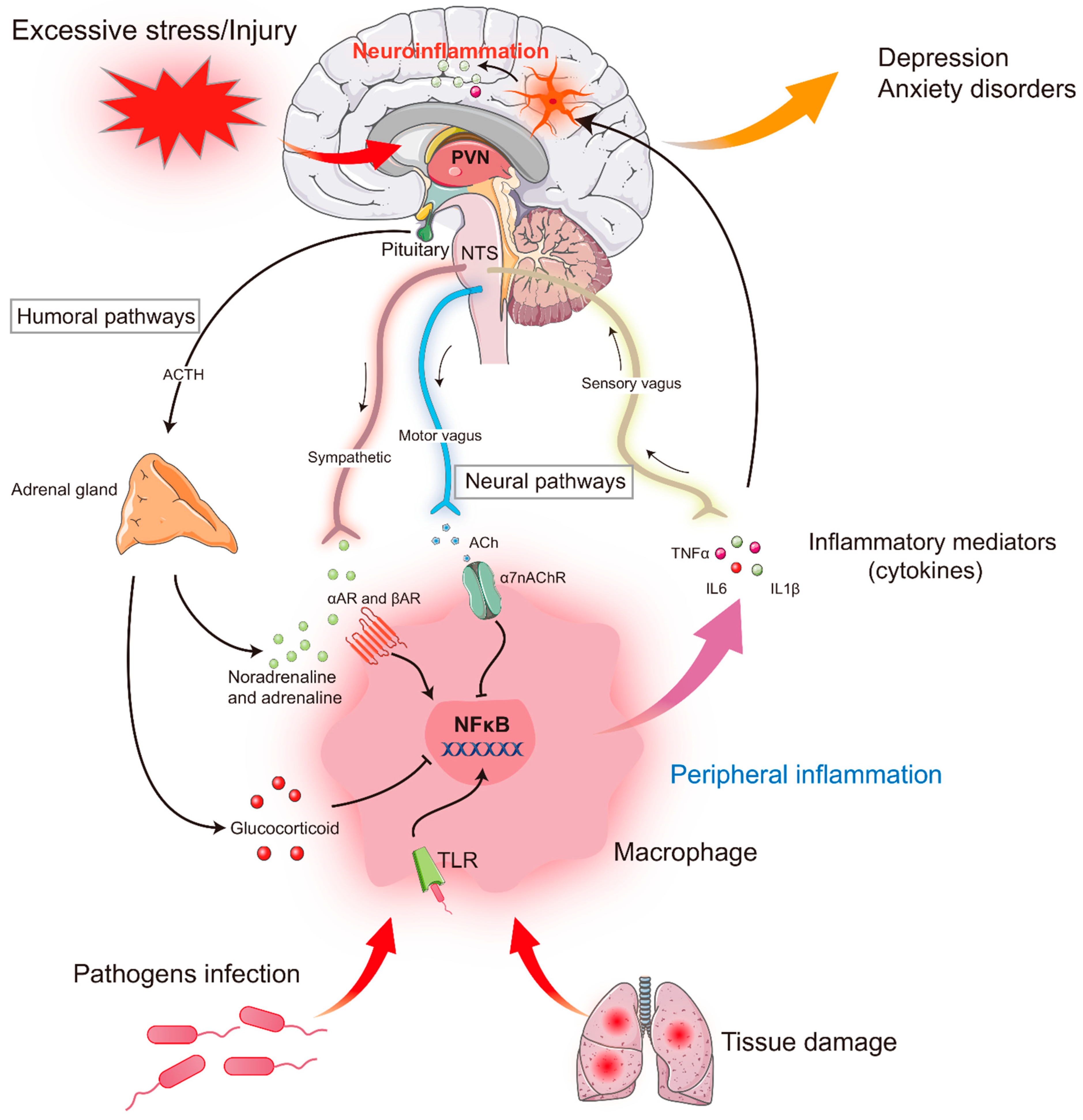
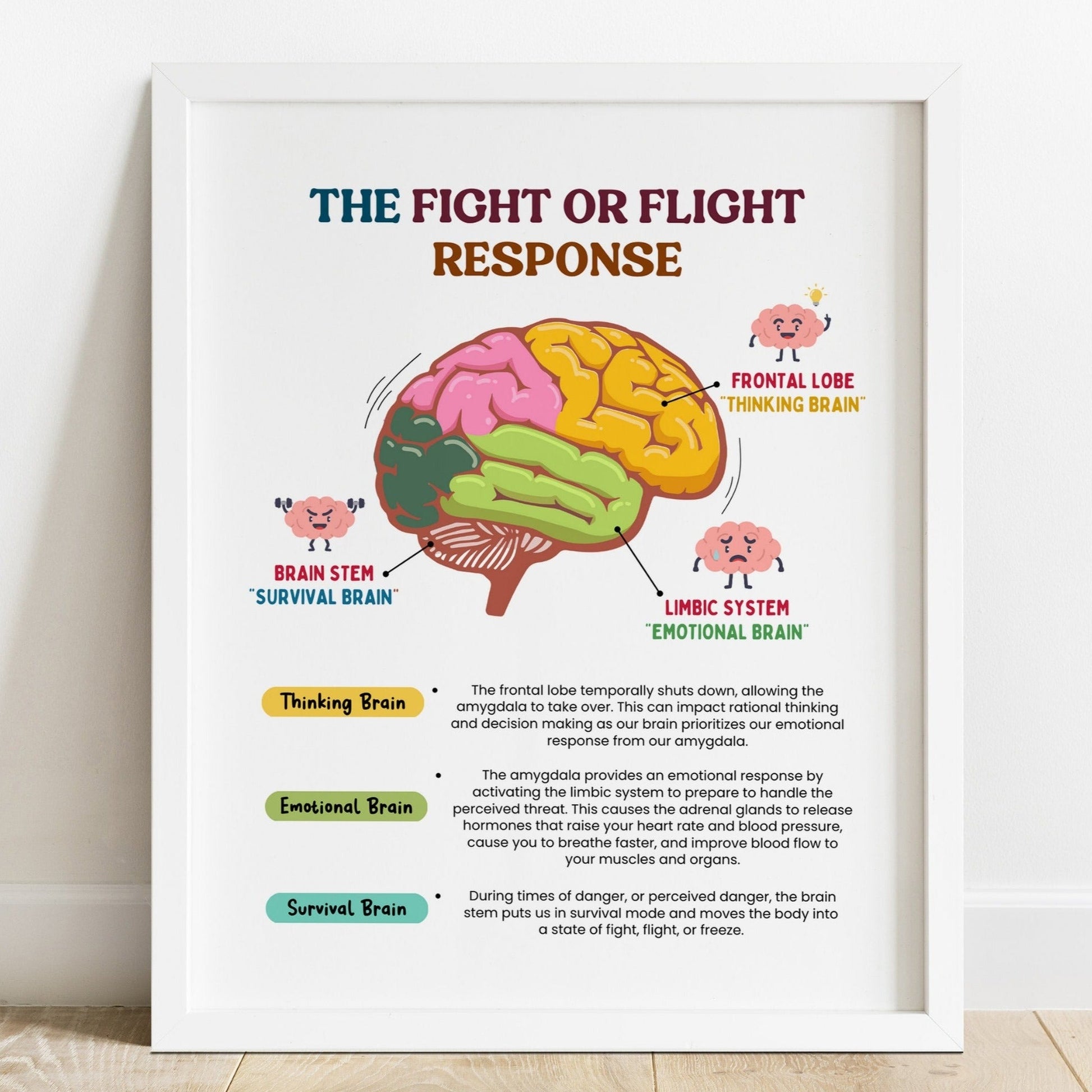

During detox, the brain’s fear center (amygdala) becomes highly active, while the rational, calming areas work less efficiently.
This leads to:
-
Short tempers
-
Heightened sensitivity to noise or conversation
-
A constant feeling of being “on edge”
Irritability is a symptom of survival-mode functioning.
Image caption: Brain diagram highlighting stress-response dominance during early detox.
Emotional Weight: Shame, Fear, and Uncertainty


Detox is often accompanied by emotional pain. Individuals may confront regret, fear of relapse, or uncertainty about the future.
Because vulnerability feels unsafe, these emotions frequently express themselves as anger or irritability instead.
Image caption: A symbolic image representing emotional conflict and uncertainty during detox.
Why Detox Irritability Is Temporary — But Critical
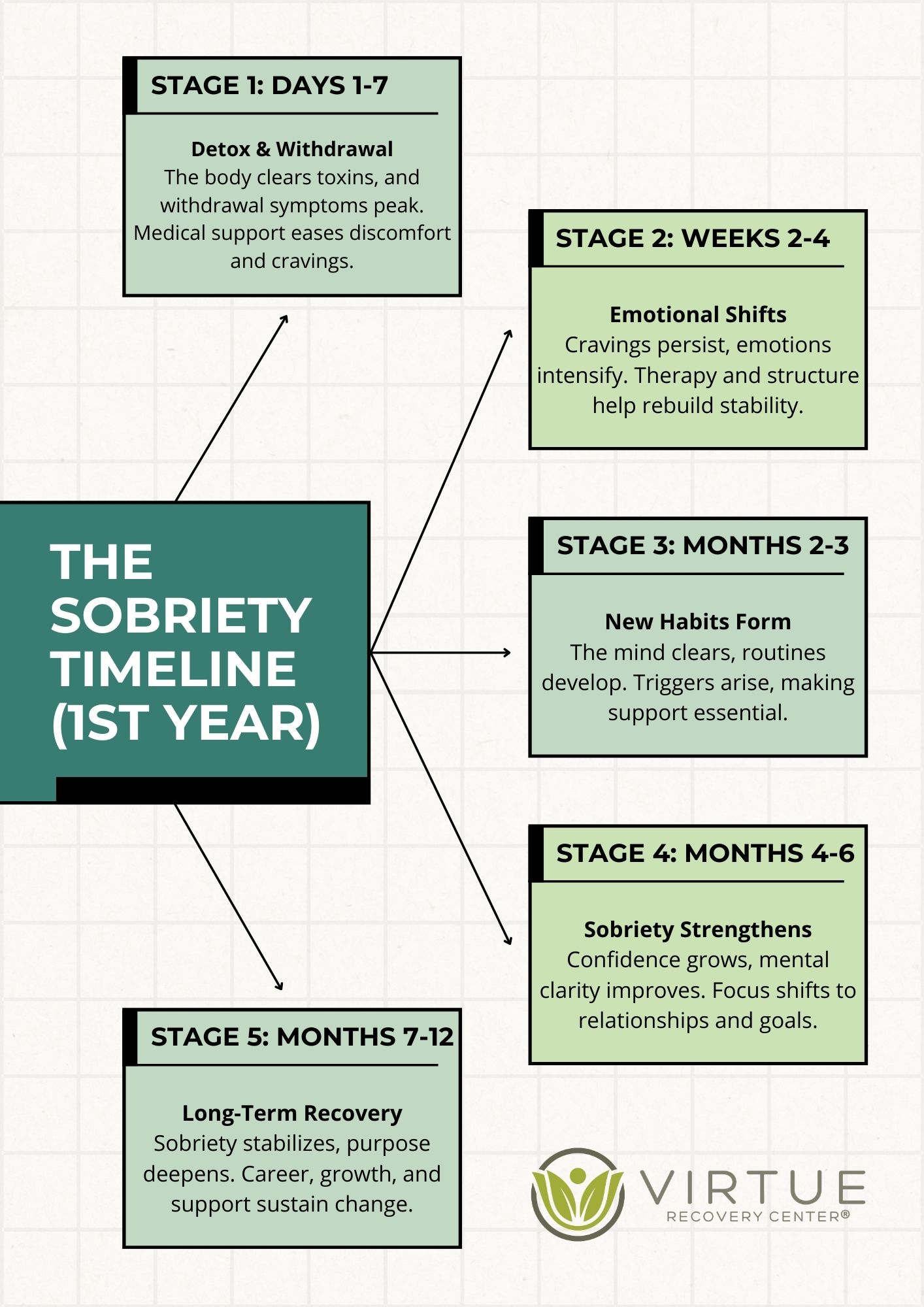
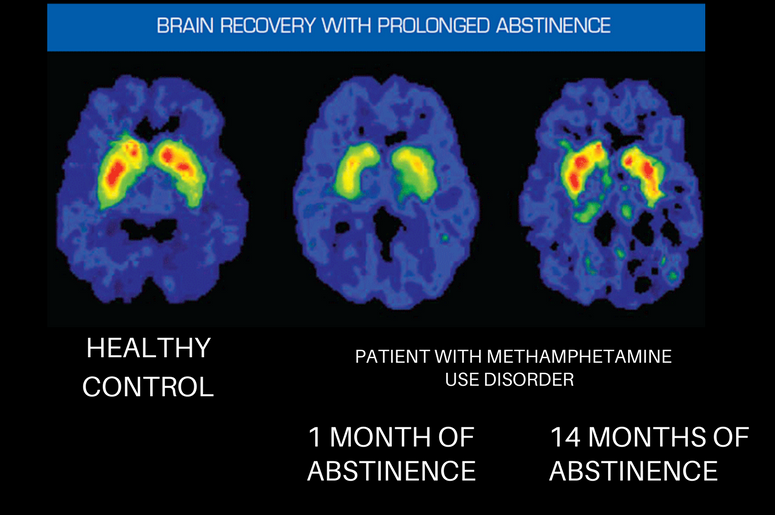
As the brain begins to rebalance and the body stabilizes, emotional regulation gradually improves. Irritability usually fades with time and proper support.
However, unmanaged irritability can:
-
Damage relationships
-
Increase relapse risk
-
Lead to emotional isolation
This phase requires patience, education, and trauma-informed care.
Image caption: Illustration showing gradual emotional stabilization over time in recovery.
Healthy Ways to Reduce Irritability During Detox


Helpful strategies include:
-
Deep breathing and grounding exercises
-
Adequate hydration and nutrition
-
Limiting stimulation and stress
-
Gentle movement
-
Supportive, non-judgmental communication
Recognizing irritability as a symptom, not a failure, is key to healing.
Image caption: Calming practices that support emotional regulation during detox.
Final Thoughts
Irritability during detox is a biological and emotional response to sudden change — not a personal weakness. It reflects a nervous system working hard to recalibrate after prolonged substance use.
With time, understanding, and compassionate support, emotional balance returns. Detox is not just about removing substances — it is about helping the brain and body learn how to feel again.