

Introduction
Recovery from addiction is not only about willpower, therapy, or avoiding substances—it is also deeply biological. One of the most powerful and often overlooked healing mechanisms is REM sleep (Rapid Eye Movement sleep). This stage of sleep plays a critical role in repairing the brain, regulating emotions, and restoring cognitive balance after substance use. Understanding how REM sleep supports brain healing can transform the recovery journey.
What Is REM Sleep?


REM sleep is a unique stage of the sleep cycle characterized by:
-
Rapid eye movements
-
Increased brain activity similar to wakefulness
-
Vivid dreaming
-
Temporary muscle paralysis
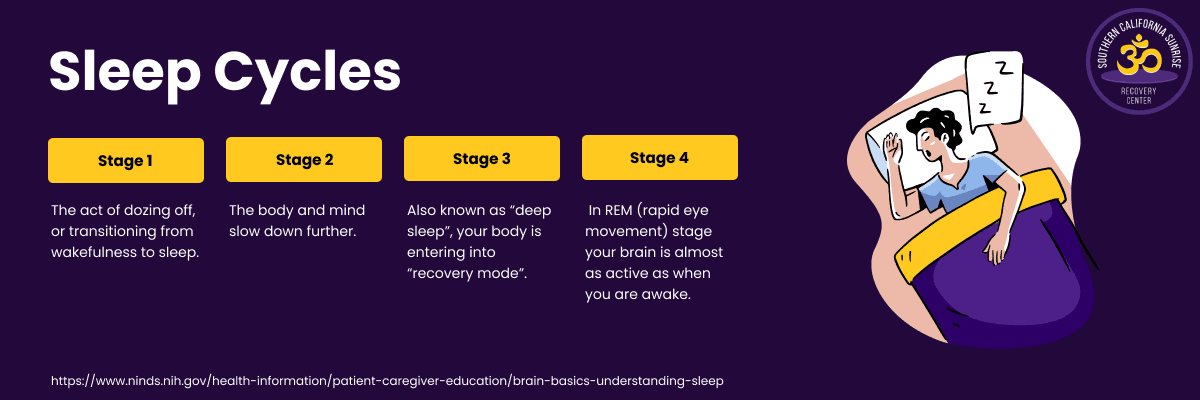
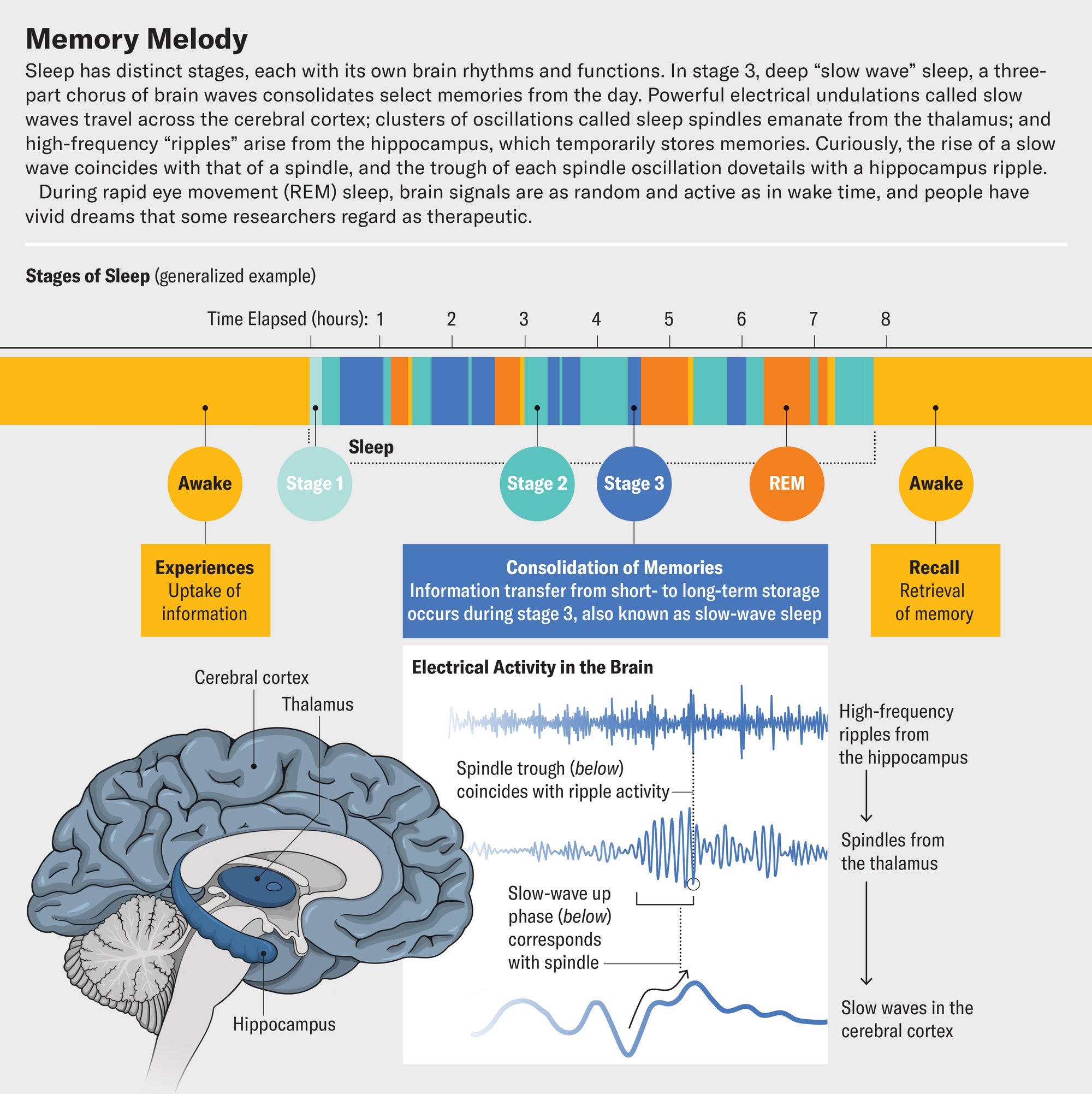
This stage typically begins about 90 minutes after falling asleep and repeats several times during the night, becoming longer toward morning.
Image caption: Brain activity during REM sleep closely resembles the waking state, allowing deep emotional and cognitive processing.
How Addiction Disrupts REM Sleep


Substance use—especially alcohol, opioids, stimulants, and sedatives—severely disrupts normal REM sleep patterns. During active addiction:
-
REM sleep is suppressed or fragmented
-
Dreams may disappear or become chaotic
-
Emotional processing is impaired
-
Memory consolidation is weakened
Even after quitting, the brain often experiences REM rebound, where dreams become intense, vivid, or emotionally charged as the brain attempts to recover lost REM sleep.
Image caption: Drugs and alcohol alter natural sleep architecture, delaying or suppressing restorative REM sleep.
Why REM Sleep Is Essential for Brain Healing


REM sleep is when the brain performs critical repair and reorganization tasks, including:
1. Emotional Regulation
REM sleep helps process fear, stress, and trauma—key triggers for relapse. It lowers emotional reactivity by recalibrating the amygdala and prefrontal cortex.
2. Dopamine System Recovery
Addiction damages dopamine signaling. REM sleep supports the gradual rebalancing of reward circuits, reducing cravings over time.
3. Memory Integration
During REM sleep, the brain integrates learning and experiences, helping people in recovery:
-
Learn new coping skills
-
Retain therapy insights
-
Form healthier behavioral patterns
4. Neuroplasticity
REM sleep promotes neuroplasticity—the brain’s ability to form new neural pathways—essential for breaking addictive habits.
Image caption: REM sleep supports neuroplasticity, allowing the brain to rebuild healthier circuits after addiction.
REM Sleep, Dreams, and Emotional Healing


Dreams during REM sleep are not random. They serve a psychological purpose:
-
Reprocessing unresolved emotions
-
Reducing emotional intensity of past experiences
-
Integrating trauma in a safer mental space
In early recovery, dreams may involve substances or relapse scenarios. While unsettling, these dreams often indicate the brain is actively healing and reorganizing emotional memory.
Image caption: Dreams during REM sleep help the brain process emotional experiences without physical danger.
How Long Does REM Sleep Recovery Take?

The timeline varies depending on substance type, duration of use, and individual health:
-
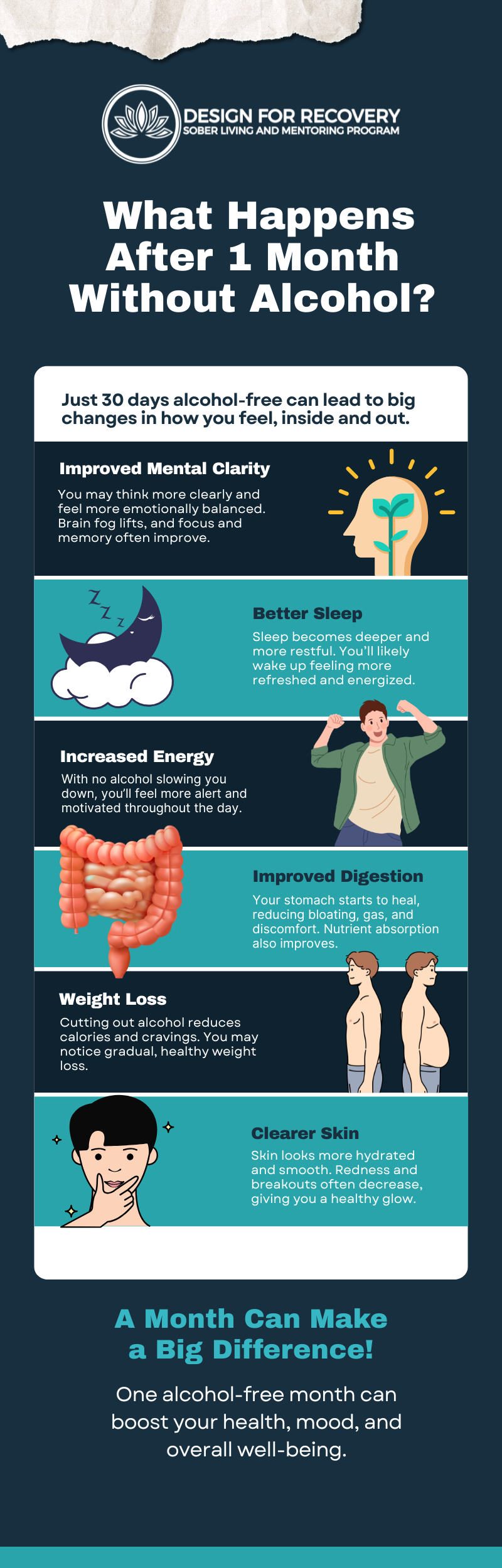
First 1–2 weeks clean: REM rebound, intense dreams, fragmented sleep
-
30 days: REM cycles begin stabilizing, emotional regulation improves
-
90 days and beyond: More consistent REM sleep, better mood control, reduced cravings
Consistent, uninterrupted sleep is one of the strongest predictors of long-term recovery success.
Image caption: As sobriety continues, REM sleep gradually normalizes, supporting emotional and cognitive stability.
How to Support REM Sleep During Recovery


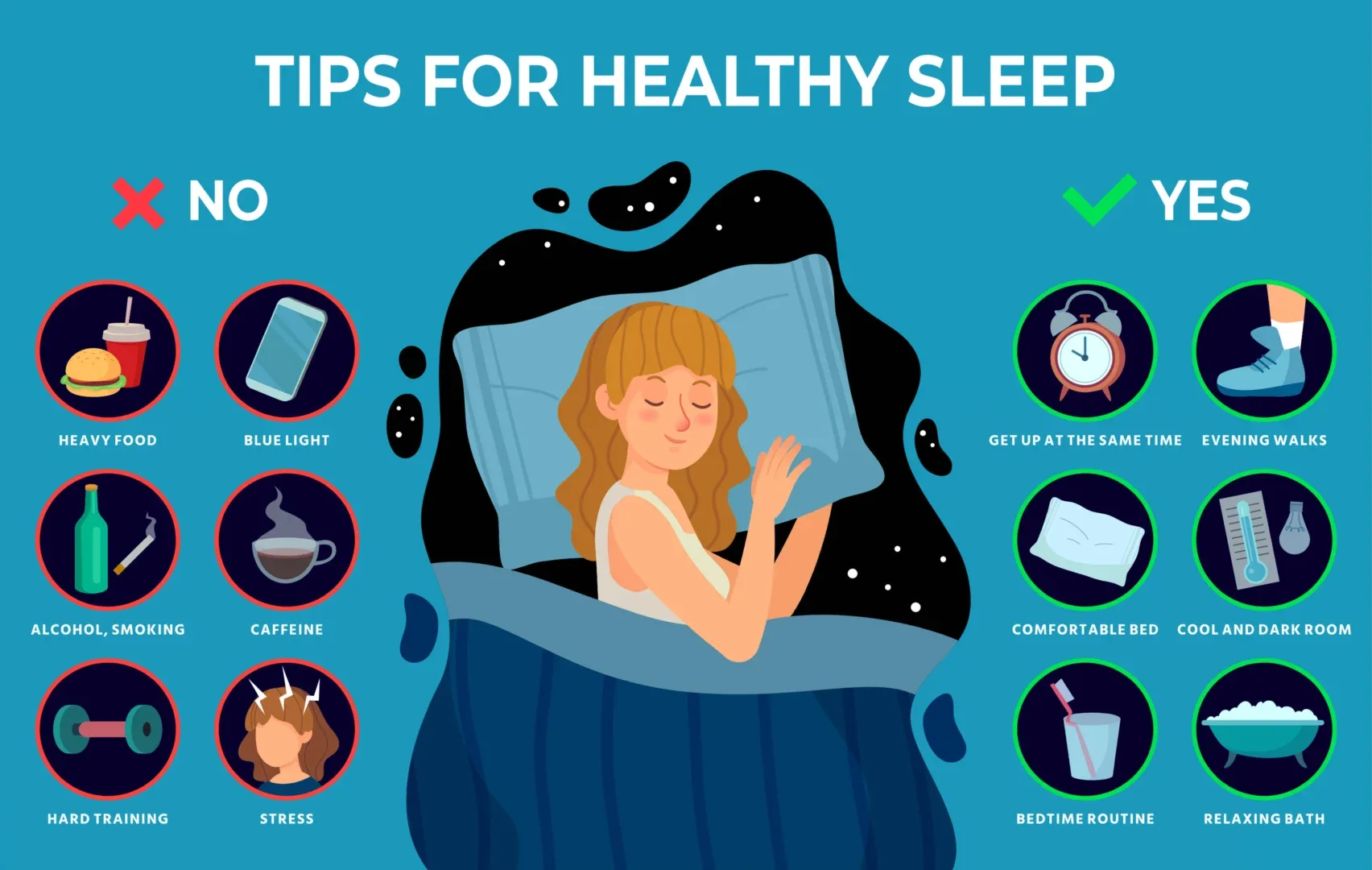
To protect and enhance REM sleep:
-
Maintain a consistent sleep schedule
-
Avoid caffeine and nicotine late in the day
-
Limit screen exposure before bedtime
-
Practice relaxation techniques (breathing, meditation)
-
Address anxiety and trauma with professional support
Avoid sleep medications unless supervised, as many suppress REM sleep.
Image caption: Healthy sleep habits create the conditions needed for deep REM sleep and brain repair.
Final Thoughts
REM sleep is not just rest—it is active brain healing. For individuals recovering from addiction, prioritizing REM sleep can reduce cravings, stabilize emotions, and accelerate neurological recovery. While therapy and lifestyle changes are essential, sleep remains one of the most powerful—and natural—tools for rebuilding a healthy brain.
Healing doesn’t only happen during the day.
Sometimes, the brain heals best while you dream.