
Introduction
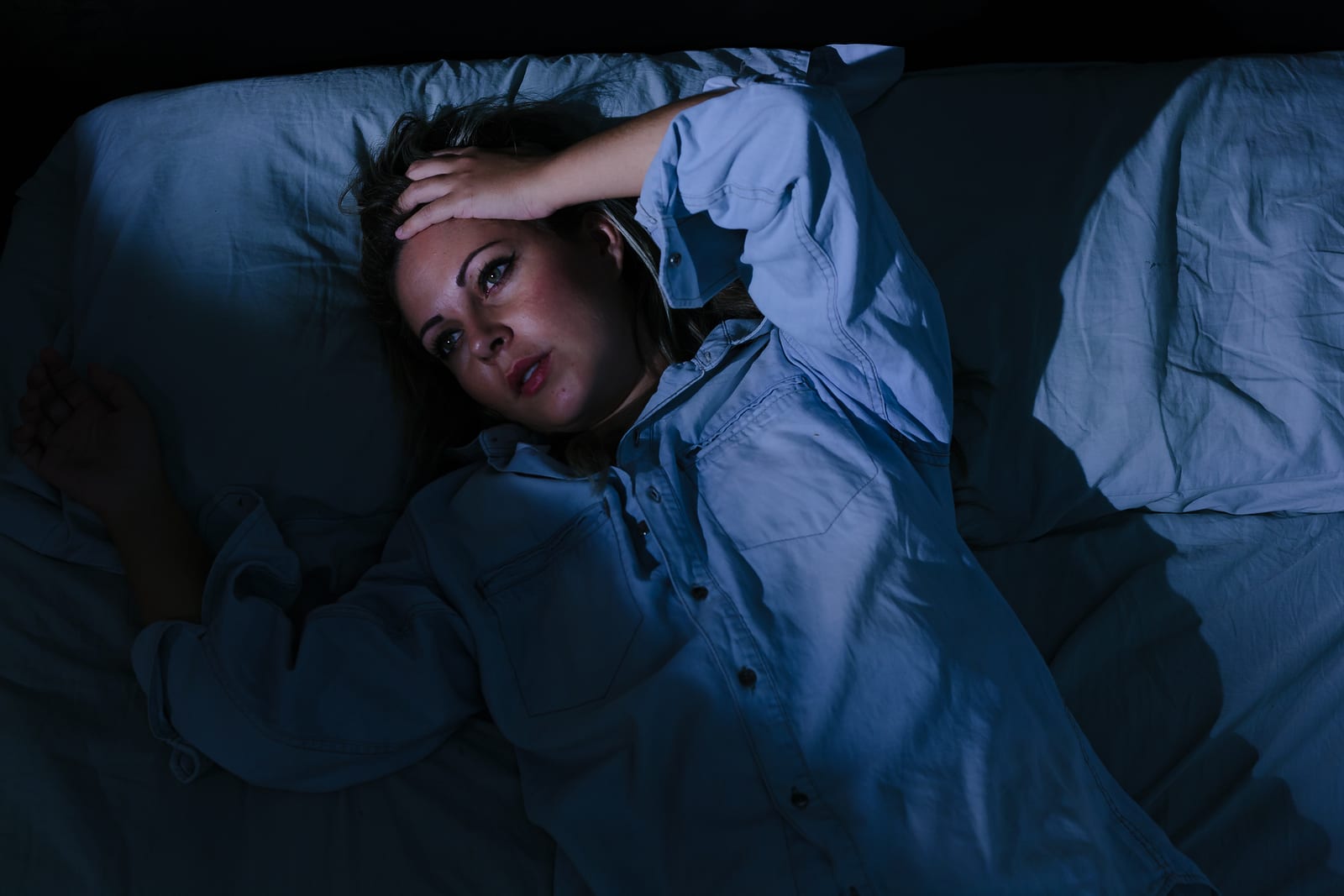
Insomnia is more than just a frustrating night without sleep. For people under chronic stress or in recovery, insomnia can quietly ignite a powerful chain reaction: sleep loss increases stress, stress intensifies cravings, and cravings make sleep even harder. This self-reinforcing cycle can drain emotional resilience and significantly raise the risk of relapse.
Understanding how this loop works is the first step toward breaking it.
How Insomnia Fuels Stress
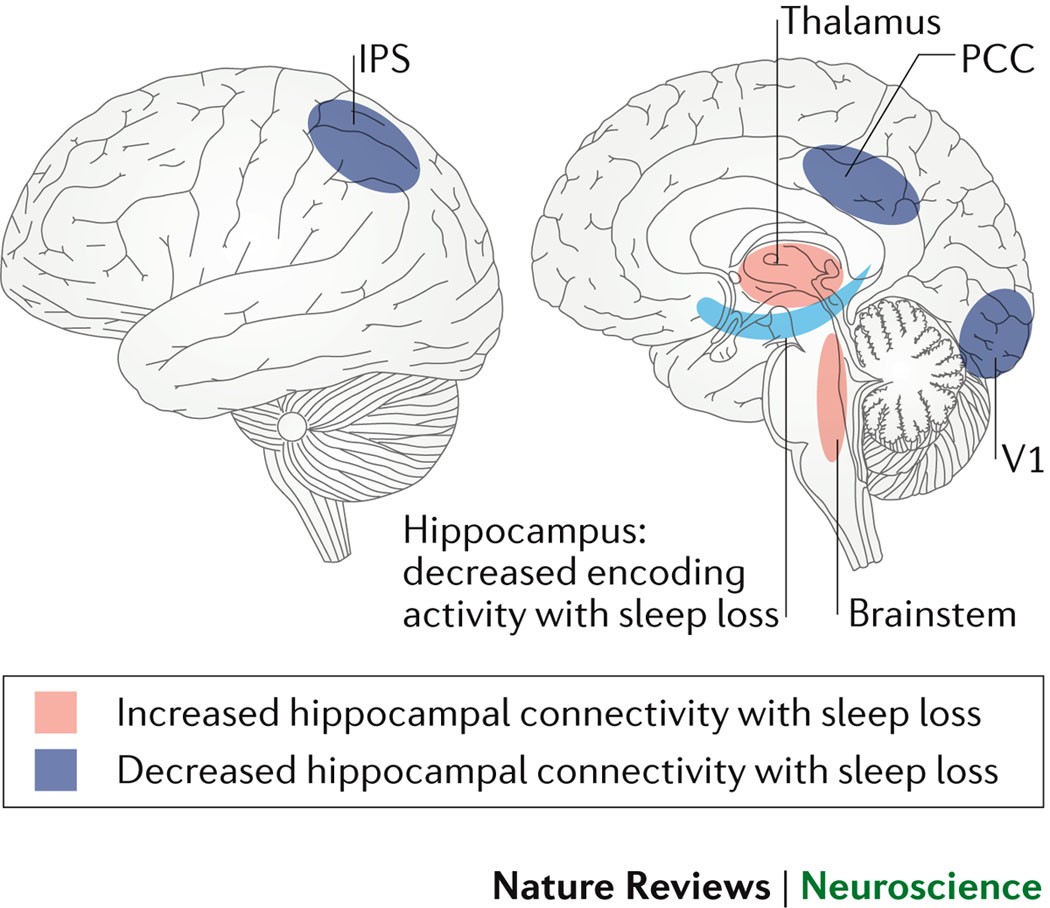
Sleep is the brain’s primary reset button. When sleep is cut short or fragmented, the nervous system never fully powers down.


-
Cortisol stays elevated: Lack of sleep keeps stress hormones high, leaving the body in a constant state of alert.
-
Emotional regulation weakens: The prefrontal cortex becomes less effective at calming fear and anxiety.
-
Small problems feel overwhelming: Everyday challenges trigger outsized stress responses.
Over time, insomnia transforms manageable stress into chronic tension.
Why Stress Amplifies Cravings
When stress spikes, the brain searches for fast relief. This is where cravings enter.


-
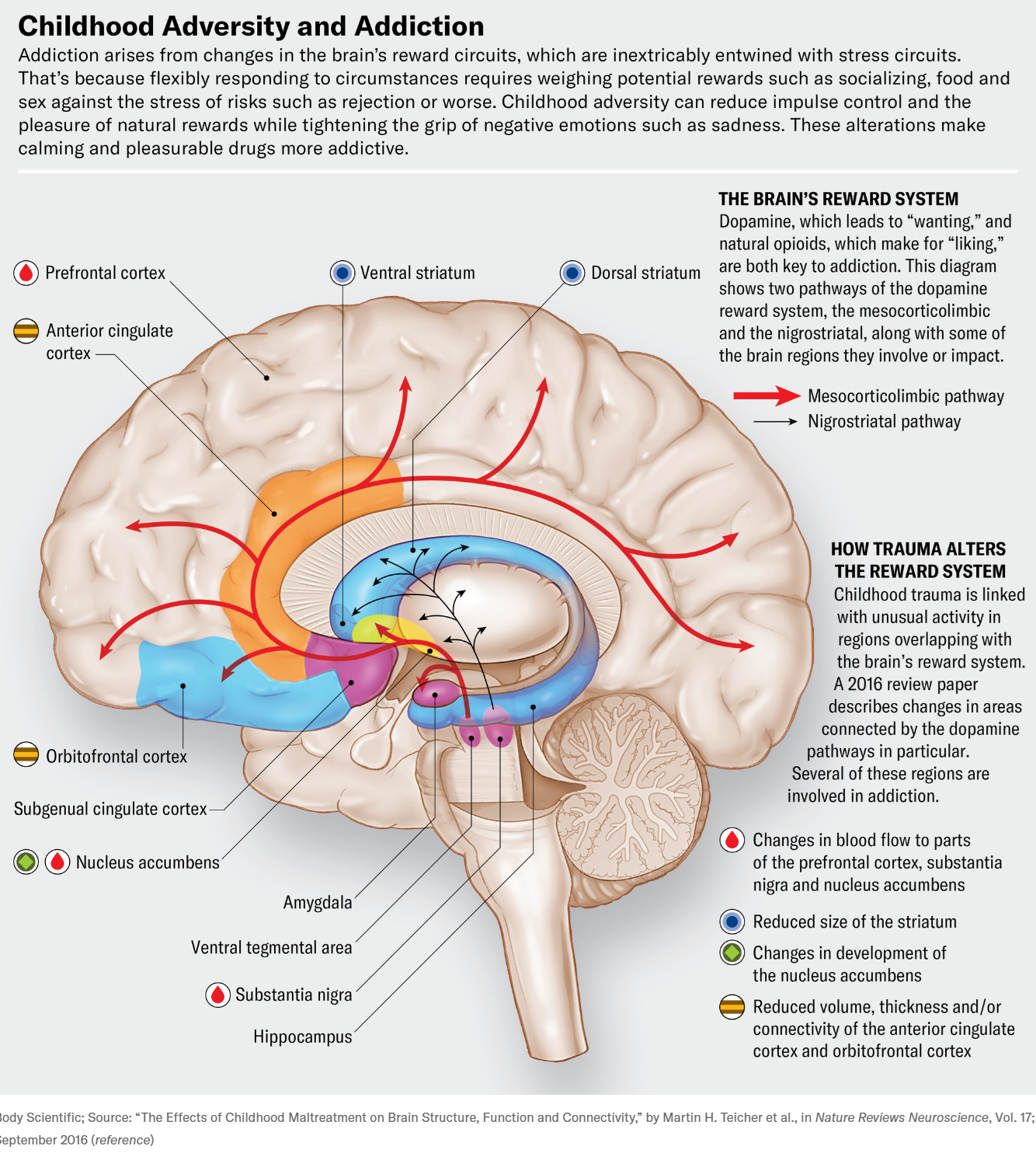
Dopamine imbalance: Stress reduces natural dopamine, increasing desire for substances or behaviors that promise quick comfort.
-
Memory activation: The brain recalls past coping habits linked to relief—even harmful ones.
-
Lower impulse control: Stress weakens decision-making, making cravings feel urgent and irresistible.
Stress doesn’t just cause cravings—it magnifies them.
How Cravings Disrupt Sleep
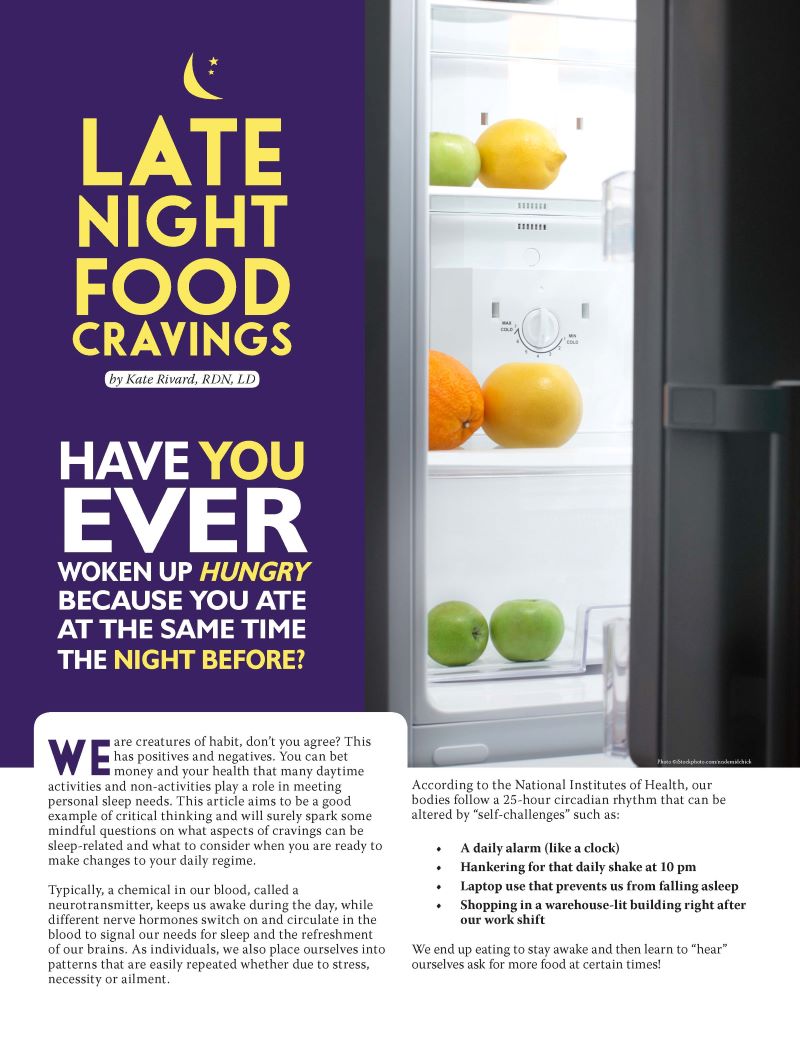
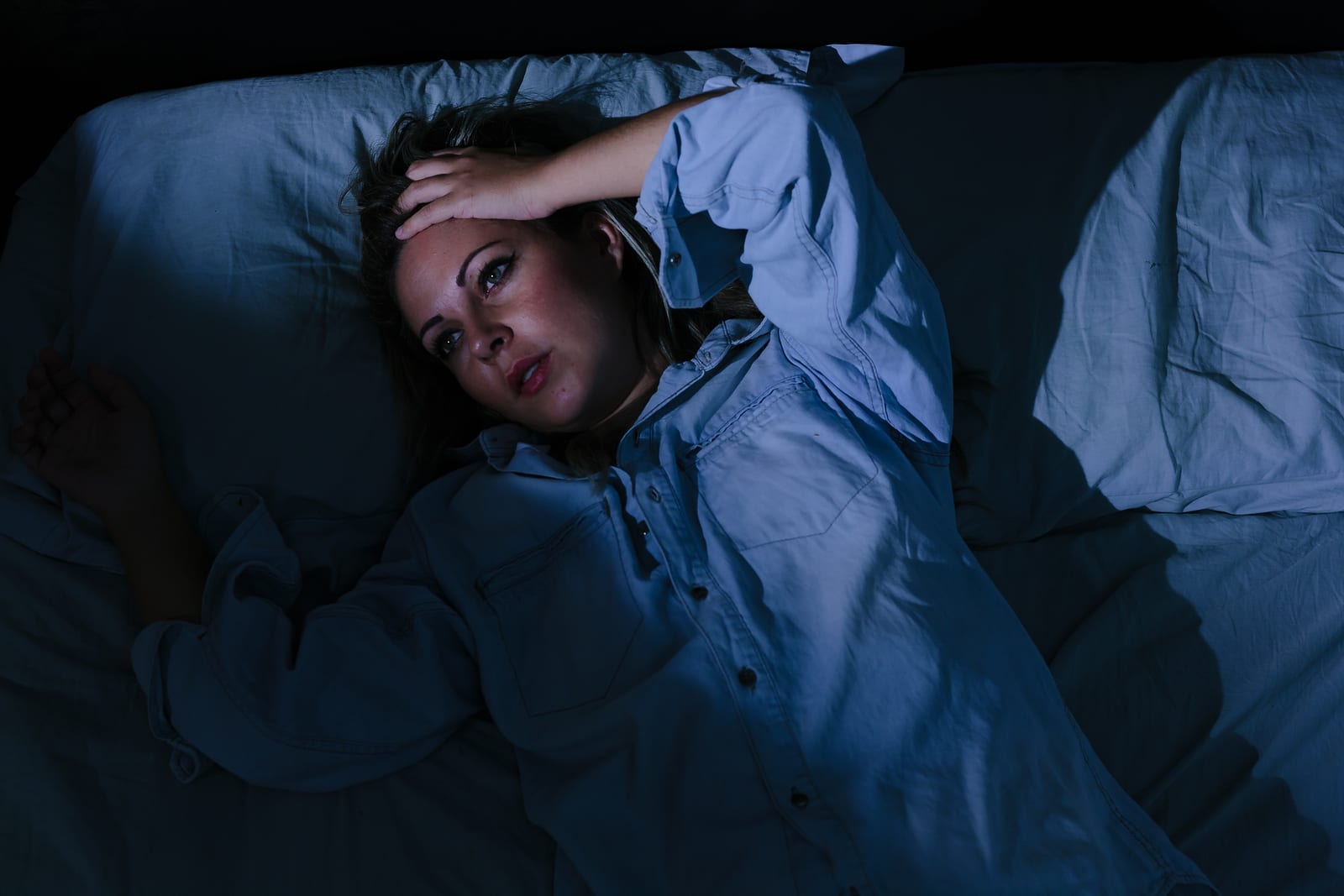
Cravings rarely stay quiet at night.

-
Racing thoughts: The mind replays urges, regrets, and “what-if” scenarios.
-
Physiological arousal: Heart rate increases, muscles tense, and sleep onset is delayed.
-
Anticipatory anxiety: Fear of relapse or failure keeps the nervous system activated.
The result is another sleepless night—feeding the loop all over again.
The Dangerous Feedback Loop
This cycle is especially risky because each part reinforces the next:
Insomnia → Heightened Stress → Stronger Cravings → More Insomnia
Without intervention, the loop can accelerate, leading to exhaustion, emotional burnout, and relapse vulnerability.
Breaking the Loop: Where to Start
You don’t need to fix everything at once. Targeting one link in the chain can weaken the entire cycle.


1. Prioritize Sleep Safety
-
Consistent sleep and wake times
-
No screens 60 minutes before bed
-
Low-light, cool, quiet sleeping environment
2. Lower Nighttime Stress
-
Slow breathing (4-6 breaths per minute)
-
Gentle body scans or progressive muscle relaxation
-
Writing worries down before bed
3. Reduce Cravings Through Regulation
-
Eat balanced meals to stabilize blood sugar
-
Daytime movement to improve nighttime sleep pressure
-
Seek emotional support before stress peaks
Why Sleep Is Not a Luxury—It’s Protection
Quality sleep restores emotional balance, strengthens impulse control, and reduces craving intensity. In recovery and high-stress periods, sleep is one of the strongest protective factors you have.
Breaking the insomnia–stress–craving loop isn’t about willpower—it’s about restoring the brain’s ability to regulate itself.