

💤 Introduction: Why Sleep Is So Hard in Early Recovery
In early recovery, sleep often feels broken. You may lie awake for hours, wake up frequently, or experience vivid dreams and anxiety at night. This is not a personal failure—it’s a normal part of healing.
Substances disrupt the brain’s natural sleep architecture. When use stops, the nervous system needs time to relearn how to relax, regulate hormones, and enter deep restorative sleep. The good news? With the right habits, sleep can improve—and faster than you think.
🧠 How Sleep Supports Recovery
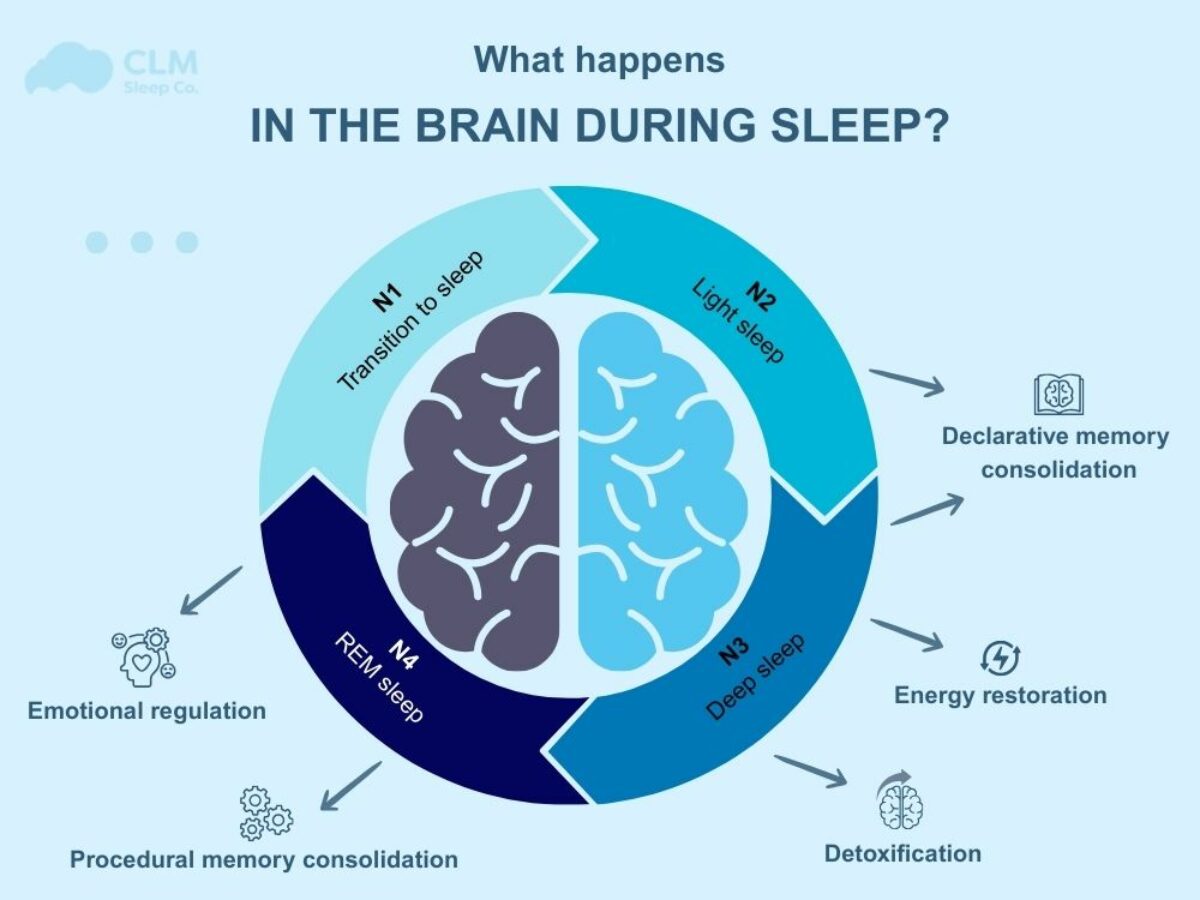
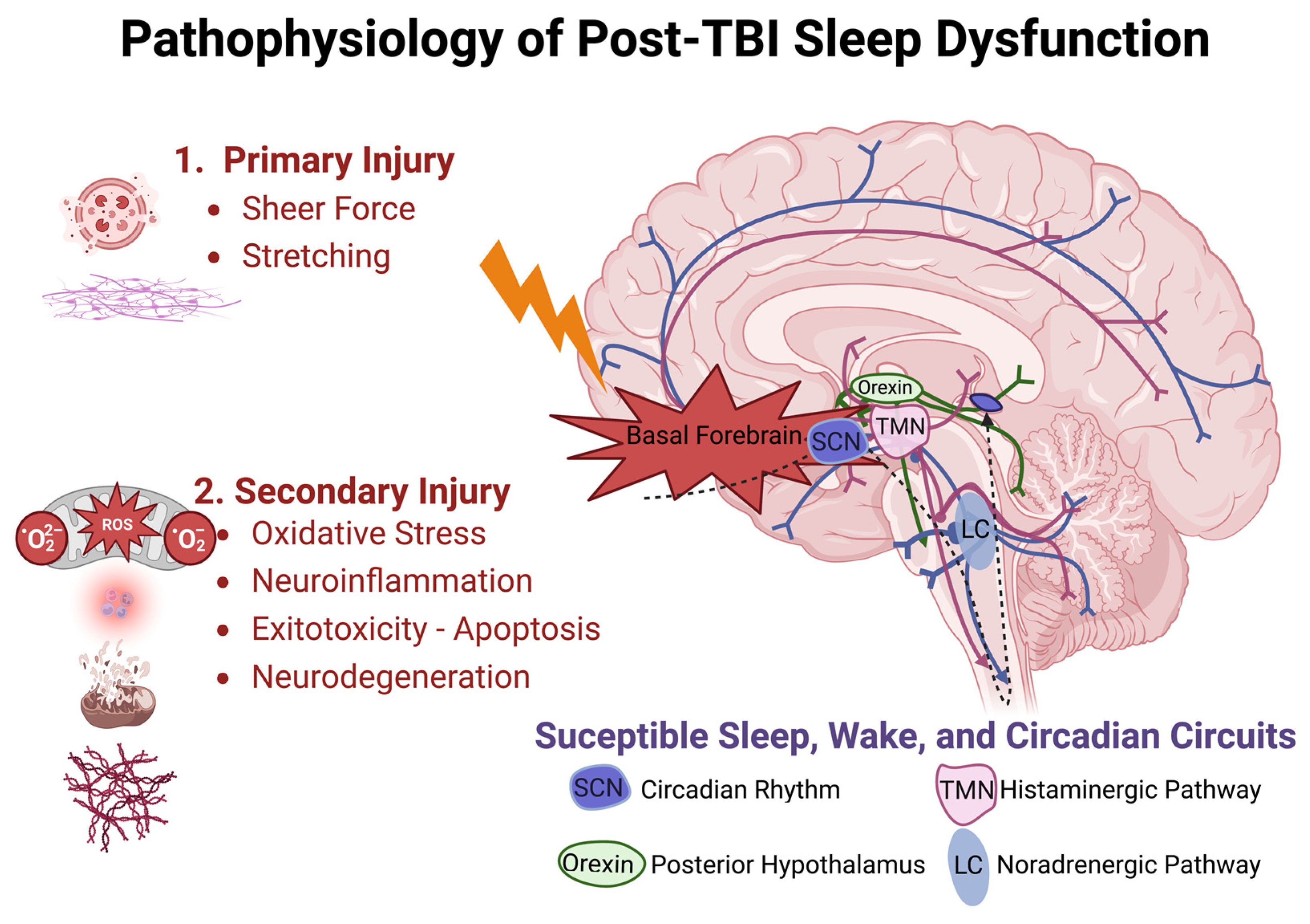

Caption: Sleep allows the brain to repair stress, rebalance dopamine, and reduce cravings.
During sleep, especially deep and REM sleep, the brain:
-
Repairs stress-damaged neural pathways
-
Restores dopamine balance
-
Strengthens emotional regulation
-
Reduces impulsivity and cravings
Poor sleep, on the other hand, increases irritability, anxiety, and relapse risk—especially at night.
🌙 10 Sleep Tips for Anyone in Early Recovery
1. Keep a Consistent Sleep Schedule
Go to bed and wake up at the same time every day—even on weekends. This retrains your circadian rhythm.
2. Create a “Wind-Down” Routine
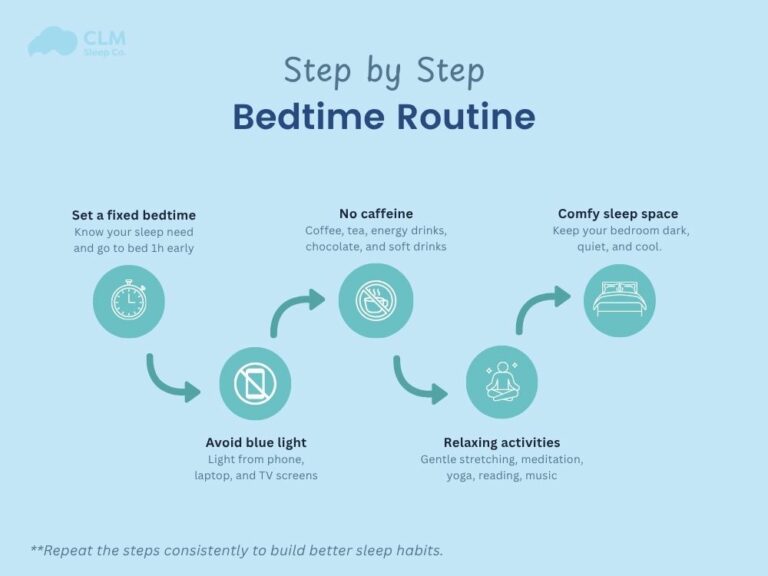


Caption: Repetition teaches the brain that it’s safe to rest.
Dim lights, stretch gently, read, or take a warm shower 30–60 minutes before bed.
3. Avoid Caffeine After Early Afternoon
Caffeine can stay in your system for up to 8 hours and worsen anxiety and nighttime cravings.
4. Make Your Bedroom a Recovery Zone
Keep it:
-
Dark
-
Cool
-
Quiet
-
Screen-free
Your brain should associate the bed with safety—not stimulation.
5. Limit Screens Before Bed
Blue light suppresses melatonin. If you must use your phone, lower brightness or use night mode.
6. Expect Vivid Dreams (They’re Normal)


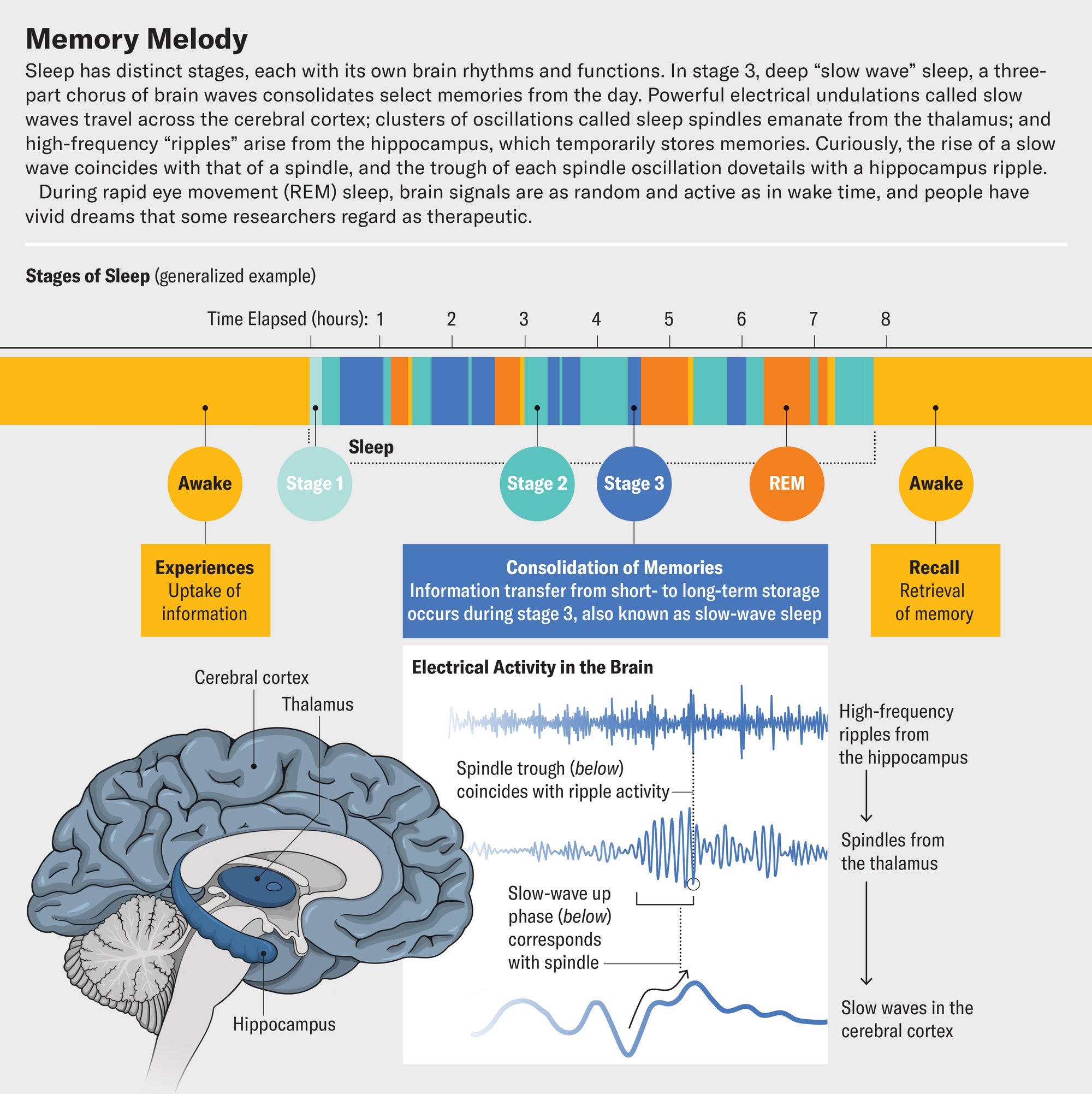
Caption: Dreams are a sign that REM sleep is returning.
Dream intensity often increases during early sobriety as REM sleep rebounds. This usually stabilizes within weeks.
7. Don’t Force Sleep
If you can’t sleep after 20–30 minutes, get up and do something calm. Forcing sleep increases stress.
8. Practice Breathing to Calm the Nervous System
Try slow breathing:
Inhale 4 seconds → Exhale 6 seconds
This tells your brain there’s no danger.
9. Avoid Alcohol or “Sleep Substitutes”
They may knock you out, but they fragment sleep and worsen cravings the next day.
10. Be Patient With Your Brain

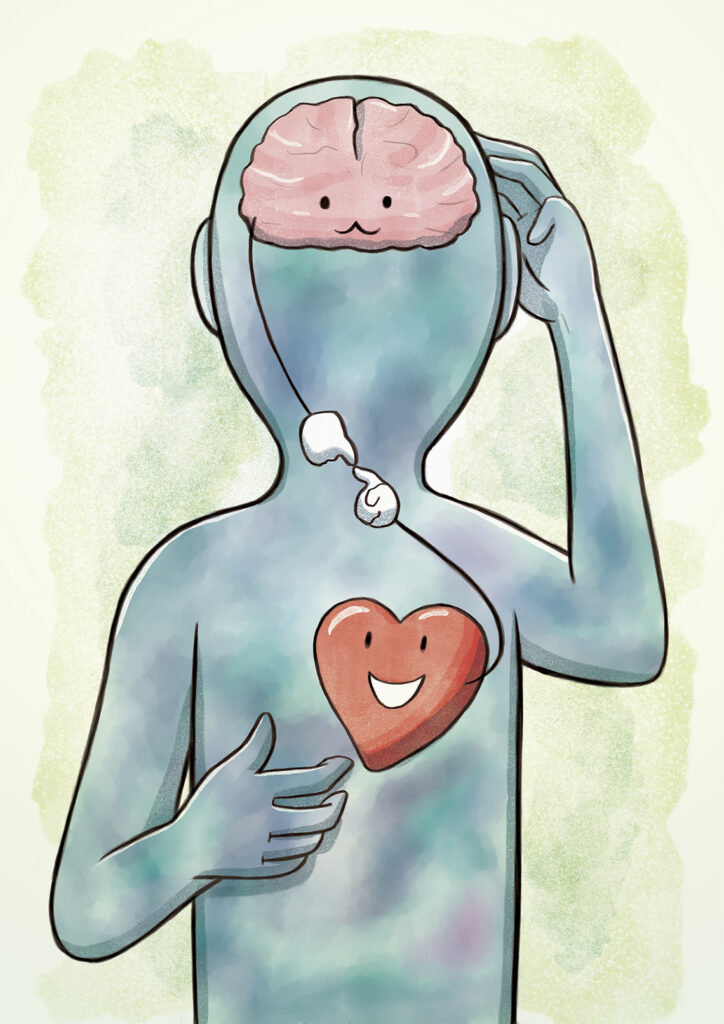
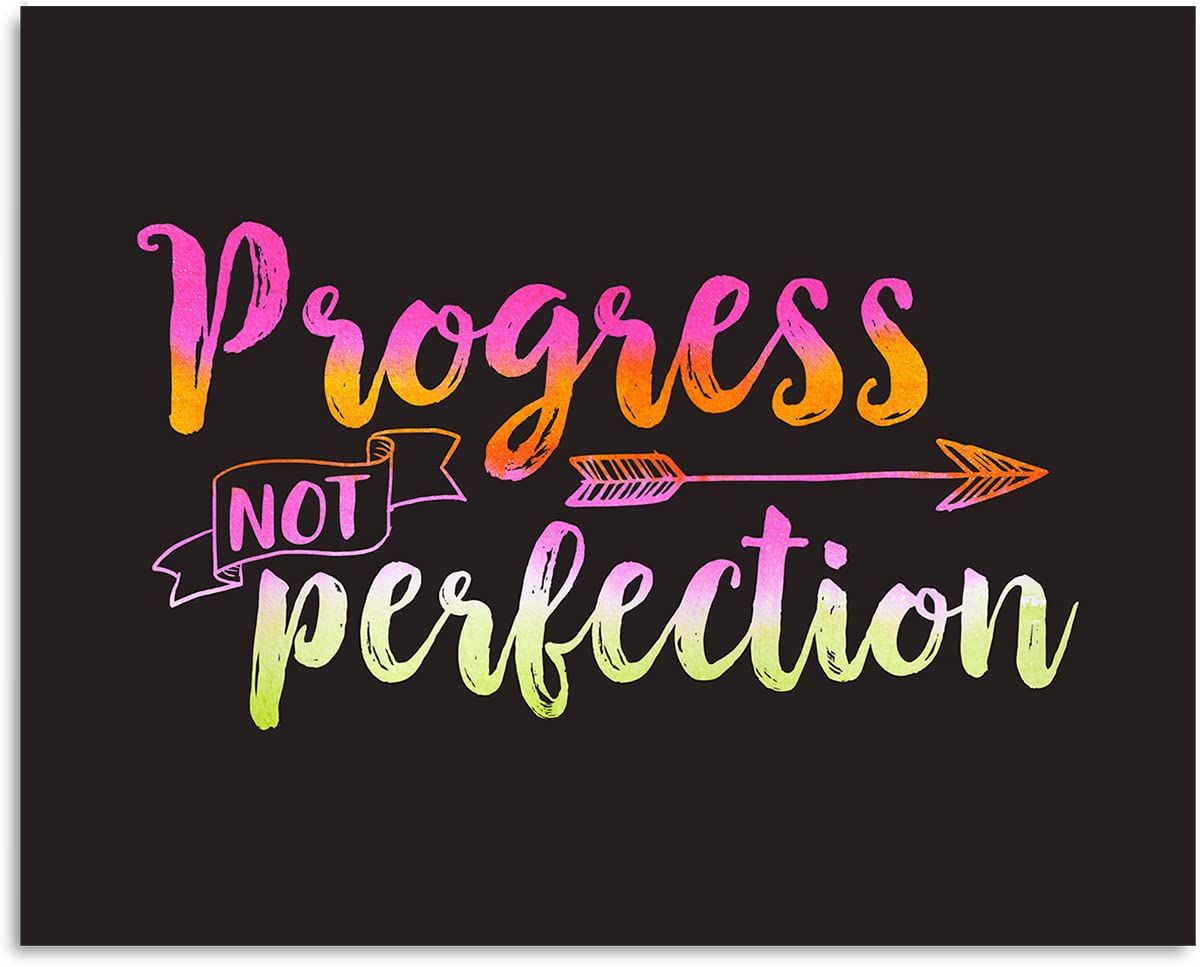
Caption: Sleep improves gradually as the brain heals.
Sleep usually improves in stages—not overnight. Even small improvements matter.
⚠️ When to Get Extra Support
If severe insomnia lasts more than 4–6 weeks, talk to a healthcare provider or therapist familiar with addiction recovery. Support is not weakness—it’s protection.
🌱 Final Thoughts
Sleep is not a luxury in recovery—it’s a core treatment. Every hour of rest strengthens your brain’s ability to regulate emotions, resist cravings, and heal from the inside out.
If your sleep feels messy right now, remember:
Healing brains don’t sleep perfectly—but they do get better.