
Introduction
The urge to use substances can feel overwhelming—sudden, intense, and hard to escape. These urges often arrive during moments of stress, emotional pain, boredom, or exposure to familiar triggers. Cognitive Behavioral Therapy (CBT) offers practical, science-backed tools to help individuals recognize, challenge, and calm these urges before they turn into relapse. Rather than fighting the urge with sheer willpower, CBT teaches you how to understand it—and respond skillfully.
What Is the “Urge to Use”?
An urge is not a command—it’s a temporary mental and physical reaction. In CBT, urges are viewed as:
-
Automatic thoughts (“I need this to feel okay”)
-
Emotional responses (anxiety, frustration, loneliness)
-
Physical sensations (restlessness, tension, racing heart)
The key insight: urges rise, peak, and fall—just like waves. You don’t have to act on them.
Core CBT Techniques to Calm Urges
1. Thought Challenging (Cognitive Restructuring)
Urges often come with distorted thinking:
-
“I can’t handle this without using.”
-
“One time won’t hurt.”
CBT helps you pause and ask:
-
Is this thought 100% true?
-
What evidence supports or contradicts it?
-
What’s a more balanced thought?
Example reframe:
“This urge is uncomfortable, but it will pass—and I’ve handled worse.”
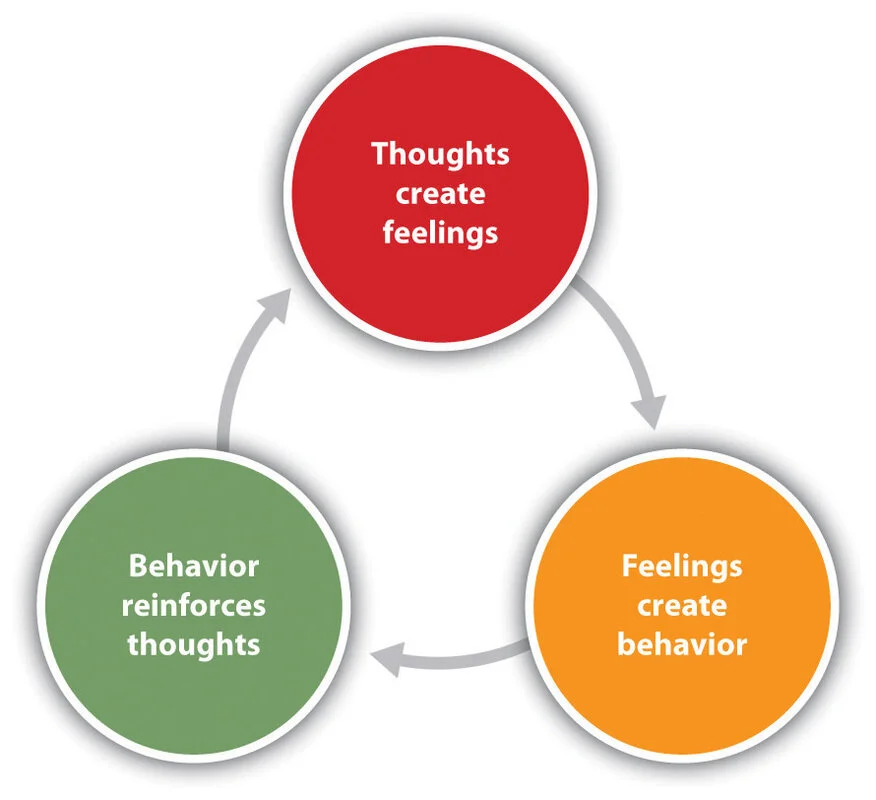
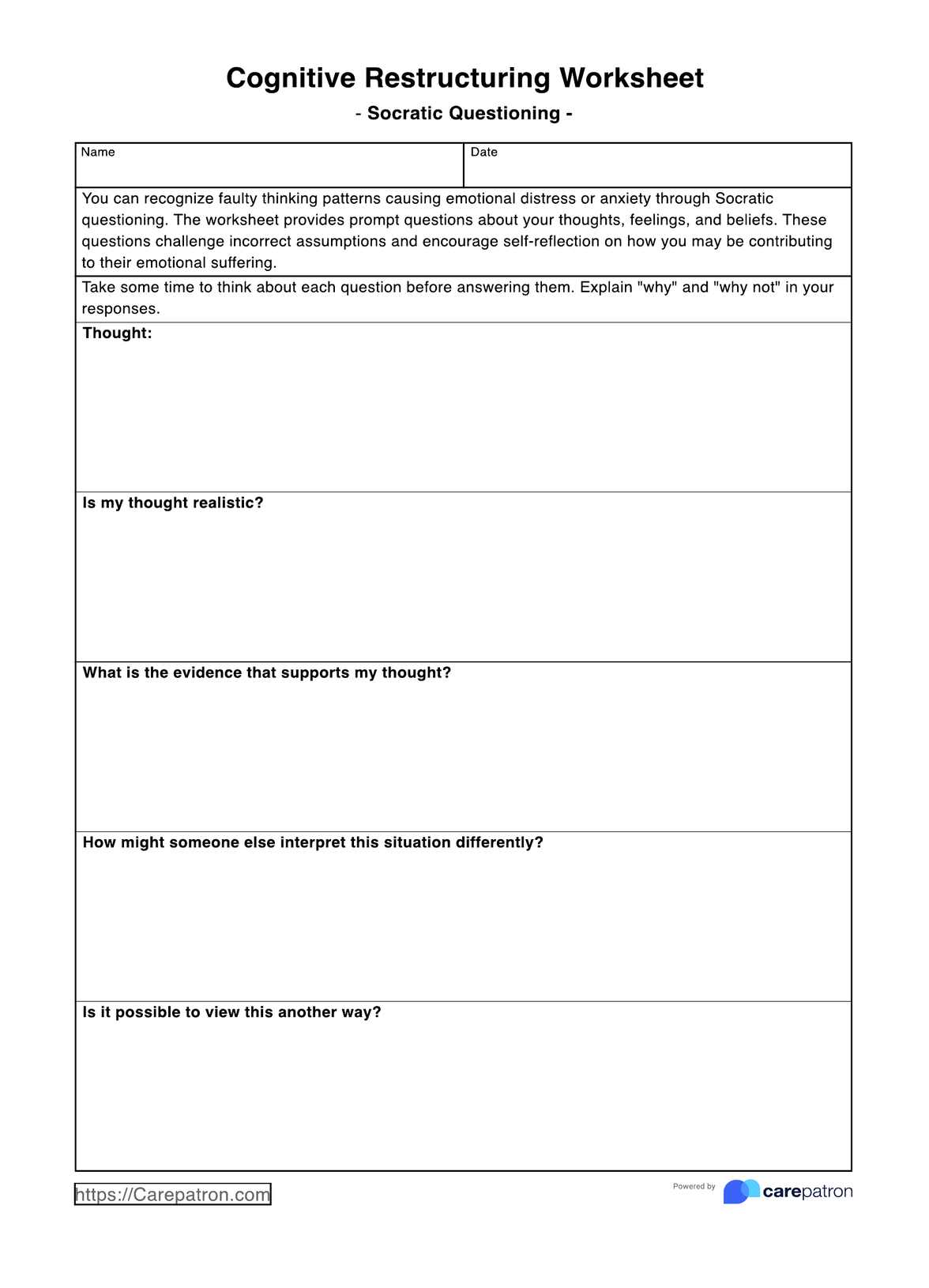
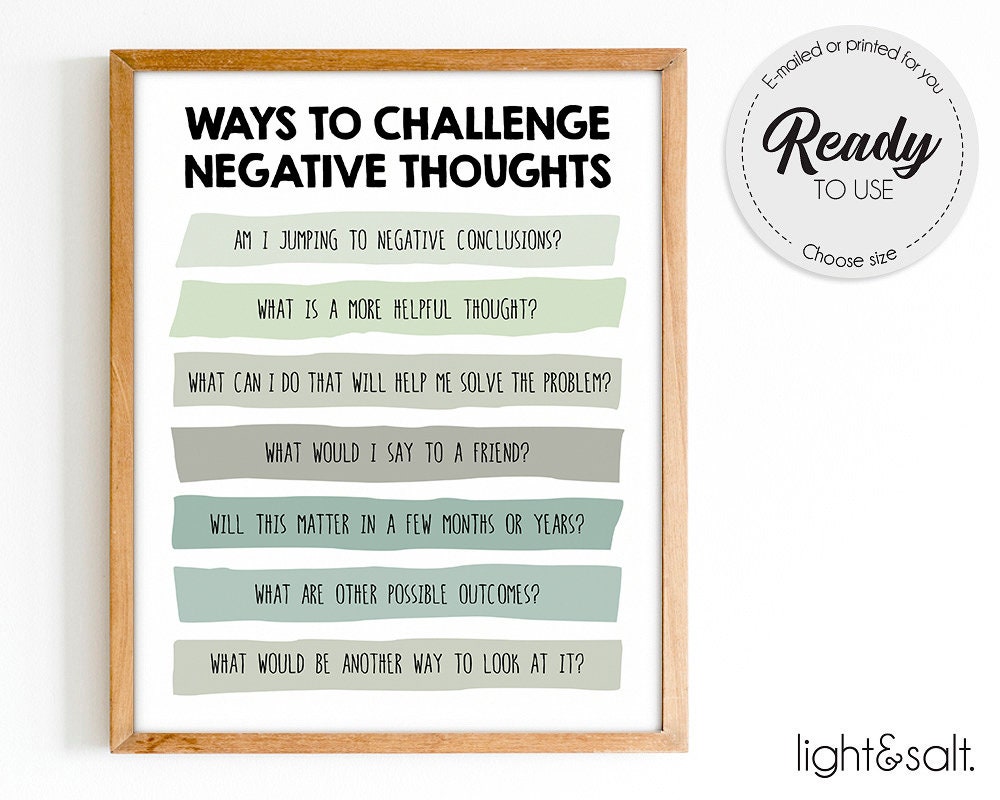
Caption: Challenging distorted thoughts reduces the emotional intensity of urges.
2. Urge Surfing
Instead of resisting or suppressing cravings, CBT encourages observing them without judgment.
-
Notice where the urge appears in your body
-
Rate its intensity (0–10)
-
Breathe and watch it rise and fall
Most urges peak within 15–30 minutes if you don’t act on them.

Caption: Urges behave like waves—temporary and manageable when observed mindfully.
3. Delay, Distract, Decide
This simple CBT strategy breaks the automatic loop:
-
Delay – Tell yourself you’ll wait 15 minutes
-
Distract – Walk, shower, call a friend, breathe deeply
-
Decide – Reassess after the urge weakens
By delaying action, you give your rational brain time to re-engage.
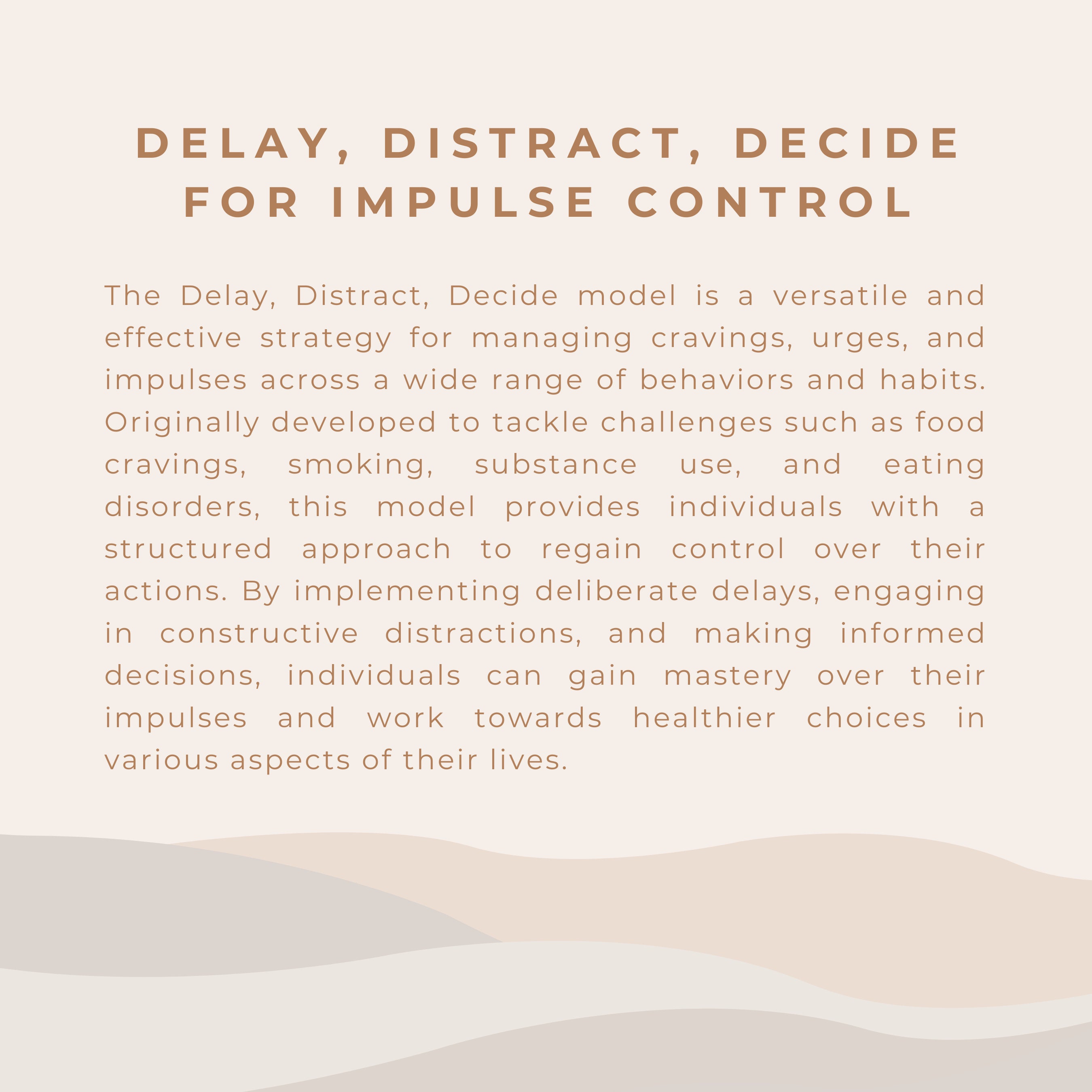


Caption: Interrupting the urge-response cycle creates space for healthier choices.
4. Emotion Labeling
CBT emphasizes naming emotions accurately:
-
“This isn’t a craving—it’s anxiety.”
-
“This urge is tied to loneliness, not desire.”
Labeling emotions reduces their intensity and helps you address the real need beneath the urge.


Caption: Naming emotions shifts control from impulse to awareness.
5. Behavioral Alternatives
CBT focuses on replacing harmful behaviors with supportive ones:
-
Movement (walking, stretching)
-
Sensory grounding (cold water, textured objects)
-
Connection (texting someone safe)
The goal isn’t perfection—it’s progress.


Caption: Healthy behaviors weaken the brain’s association between stress and substance use.
Why CBT Works for Urges
CBT is effective because it:
-
Strengthens the prefrontal cortex (decision-making)
-
Reduces emotional reactivity
-
Builds long-term coping skills instead of short-term avoidance
Over time, urges become less frequent, less intense, and shorter-lasting.
Final Takeaway
The urge to use does not define you—and it does not control you. With CBT techniques, you learn to slow down, question the story your mind is telling, and respond with intention rather than impulse. Every urge you ride out successfully rewires your brain toward recovery.