

Introduction
Emotional flooding happens when intense emotions surge so quickly and powerfully that the brain’s rational systems shut down. For people struggling with addiction or in recovery, emotional flooding can be especially dangerous—it often triggers cravings, impulsive decisions, and relapse. Understanding how emotional flooding works is a critical step toward breaking the cycle between overwhelming feelings and substance use.
What Is Emotional Flooding?
Emotional flooding occurs when the nervous system becomes overloaded by strong emotions such as fear, anger, shame, grief, or anxiety. During these moments:
-
The amygdala (the brain’s alarm center) takes control
-
The prefrontal cortex (responsible for reasoning and self-control) becomes less active
-
Decision-making turns reactive instead of thoughtful
In simple terms, emotions hijack logic.
Why Emotional Flooding Fuels Addiction
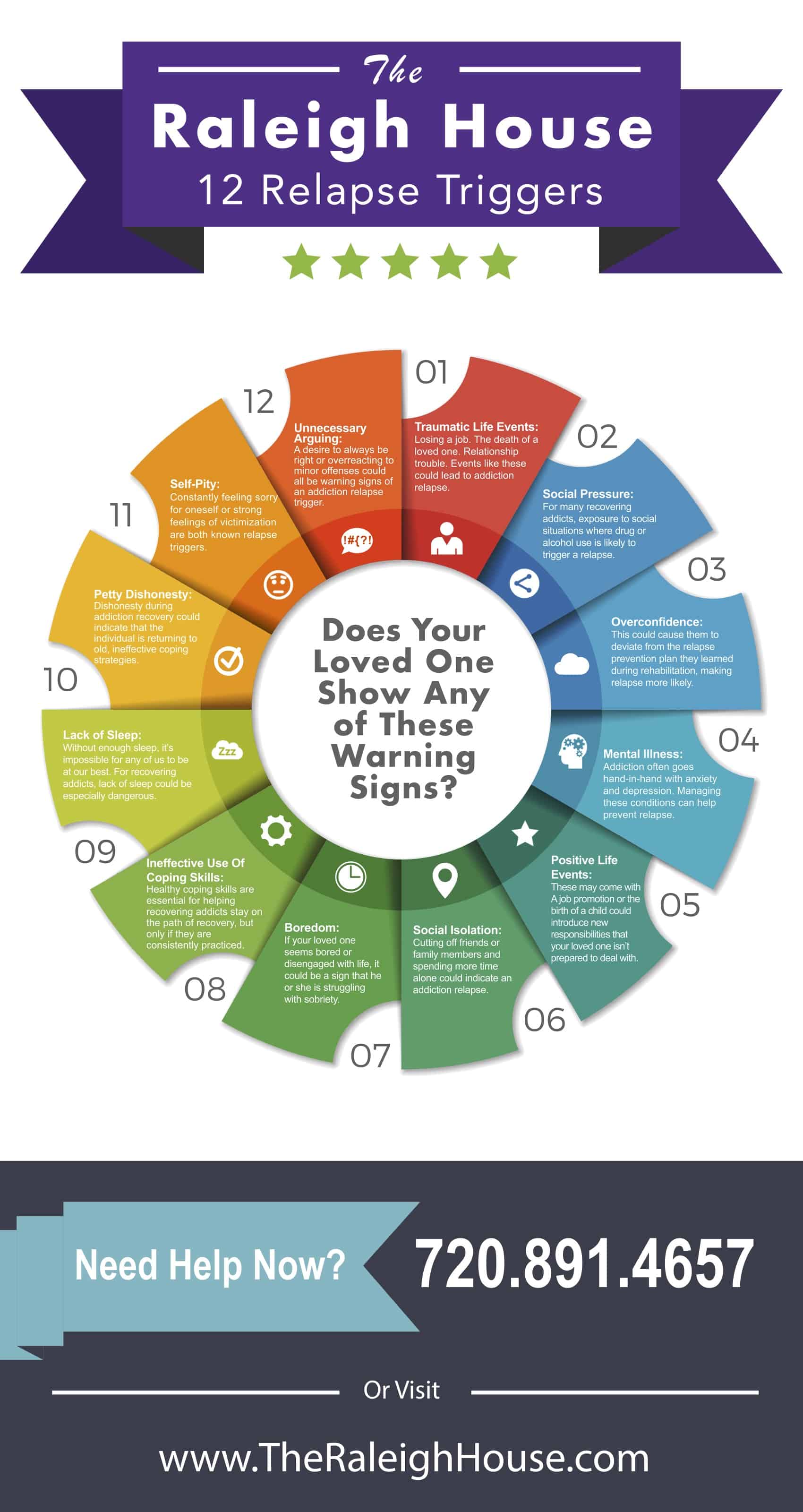


Addiction thrives during emotional overload. When emotional flooding occurs, substances can feel like the fastest way to escape unbearable inner states. This is why people often relapse during moments of:
-
Intense conflict
-
Sudden loss or rejection
-
Chronic stress or burnout
-
Unprocessed trauma
Substances temporarily numb emotional pain, reinforcing the brain’s belief that using equals relief—even though the long-term consequences are devastating.
Common Triggers of Emotional Flooding in Recovery
Some of the most frequent triggers include:
-
Unresolved trauma surfacing unexpectedly
-
Sleep deprivation, which lowers emotional regulation
-
Loneliness and isolation
-
Shame spirals and self-criticism
-
High-pressure environments with little emotional safety
Recognizing these triggers early can prevent emotional escalation before it becomes overwhelming.
The Brain Science Behind the Flood


During emotional flooding, the body enters a fight-or-flight state:
-
Heart rate increases
-
Stress hormones spike
-
Logical thinking decreases
For individuals with a history of addiction, this state is strongly associated with conditioned cravings. The brain remembers that substances once reduced this distress—making relapse more likely unless coping strategies are in place.
Healthy Ways to Calm Emotional Flooding
Emotional flooding cannot be “thought away.” It must be regulated through the body first. Effective techniques include:
-
Slow, deep breathing to activate the parasympathetic nervous system
-
Grounding exercises (naming what you see, hear, feel)
-
Cold water on the face to reset the stress response
-
Movement such as walking or stretching
-
Delay techniques—waiting 20–30 minutes before acting on urges
Once the body calms, the mind can re-engage.
Long-Term Strategies to Reduce Emotional Flooding
To prevent emotional flooding from dominating recovery:
-
Build emotional literacy—learn to name feelings early
-
Practice CBT or DBT skills for emotion regulation
-
Maintain consistent sleep and nutrition
-
Develop a support system you can reach during emotional spikes
-
Address trauma with professional guidance
Over time, the brain learns safer ways to process intense emotions.
Conclusion
Emotional flooding is not a personal failure—it is a biological response to overwhelming stress. In addiction, it becomes a powerful relapse trigger because substances once offered quick relief. By understanding emotional flooding, recognizing early warning signs, and using body-based regulation tools, recovery becomes more stable, resilient, and sustainable.