
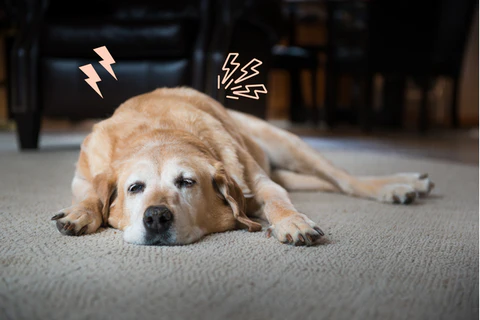
If your dog tires quickly on walks, lies down after short play sessions, or seems “out of gas” much sooner than before, it’s worth paying attention. While some dogs naturally have lower stamina, a noticeable or sudden drop in energy can signal pain, illness, conditioning issues, or emotional stress.
This article explains what’s normal vs. concerning, the most common causes of rapid fatigue, red flags to watch for, and what you can do next.
What Does “Getting Tired Very Fast” Look Like?
You may notice your dog:
-
Slowing down early on walks
-
Sitting or lying down unexpectedly
-
Panting heavily after minimal activity
-
Losing interest in play quickly
-
Needing long recovery times
-
Wanting to head home sooner than usual
👉 The key concern is a change from your dog’s usual stamina.
Common Reasons Dogs Get Tired Quickly
1. Deconditioning (Very Common)
If activity has dropped recently:
-
Less exercise = lower endurance
-
Weight gain compounds fatigue
This improves gradually with safe, consistent conditioning.
2. Pain or Discomfort
Pain drains energy.
-
Arthritis or joint pain
-
Back or neck issues
-
Muscle strain
Dogs may stop early to avoid discomfort, even if they don’t yelp.
3. Heat or Breed Factors
-
Hot/humid weather
-
Thick coats
-
Brachycephalic breeds (e.g., Bulldogs, Pugs)
These dogs overheat and fatigue much faster.
4. Heart or Lung Disease
⚠️ Important to rule out.
-
Poor oxygen delivery
-
Exercise intolerance
-
Coughing or rapid breathing
Often subtle at first.
5. Anemia or Metabolic Issues
Low oxygen-carrying capacity causes:
-
Weakness
-
Rapid fatigue
-
Pale gums
Endocrine issues (thyroid, diabetes) can also reduce stamina.
6. Illness or Infection
Even mild illness can:
-
Lower energy
-
Increase recovery time
Watch for appetite changes, fever, or GI signs.
7. Stress or Anxiety
Mental fatigue is real.
-
New environments
-
Overstimulation
-
Leash reactivity
Anxious dogs tire faster due to constant nervous-system activation.
When Fast Fatigue Is a Red Flag

🚨 Seek veterinary care promptly if your dog:
-
Tires suddenly or dramatically
-
Collapses or nearly collapses
-
Has labored or noisy breathing
-
Coughs during or after exercise
-
Has pale gums or weakness
-
Is a senior dog with abrupt changes
Exercise intolerance can be an early sign of serious disease.
What You Can Do Right Now
-
Compare to baseline (not other dogs)
-
Avoid pushing exercise until evaluated
-
Note triggers (heat, hills, excitement)
-
Check gums and breathing at rest
-
Schedule a vet visit if fatigue persists
❌ Don’t force “more exercise”
❌ Don’t assume it’s just laziness or aging
How Vets Evaluate Rapid Fatigue
Your veterinarian may:
-
Perform a full physical and pain exam
-
Listen to heart and lungs
-
Run blood tests (anemia, thyroid, infection)
-
Check weight and conditioning
-
Recommend imaging or cardiac tests if needed
Early evaluation often brings clear answers and effective treatment.
Can Dogs Regain Their Stamina?
Yes—many dogs bounce back once the cause is addressed:
-
Pain control restores movement
-
Conditioning rebuilds endurance
-
Medical treatment improves oxygen delivery
-
Anxiety management reduces mental fatigue
Progress should be gradual and comfortable.
Final Takeaway
If your dog gets tired very fast, it’s sometimes normal—but a noticeable change is your cue to look deeper. Fatigue is often one of the earliest signs that something needs attention.
🐾 Listening to changes in stamina helps protect your dog’s health, comfort, and joy in everyday activities.