
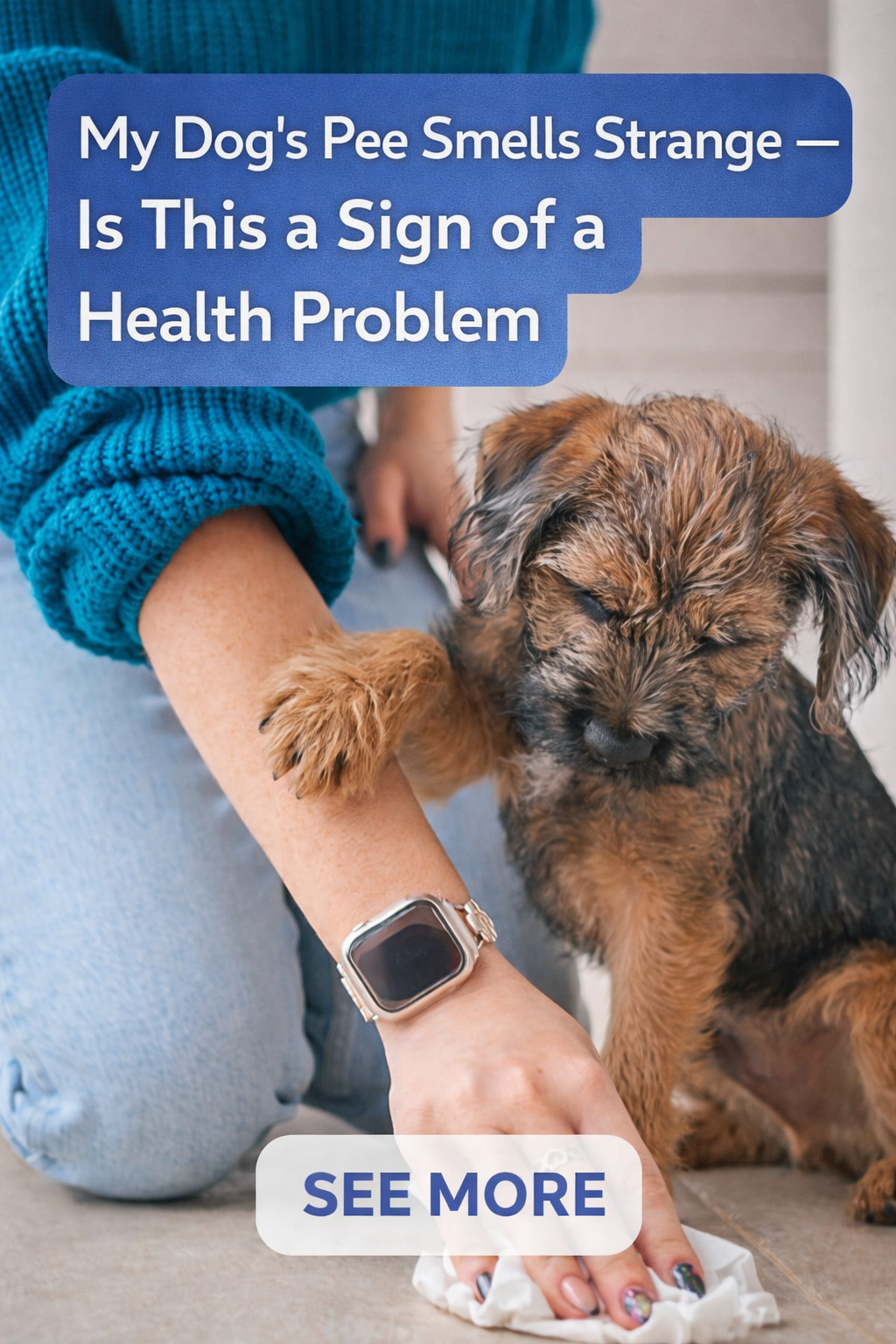
If your dog’s urine suddenly smells very strong, unusual, sweet, fishy, or like ammonia, it’s not something to brush off. While diet and hydration can affect urine odor, a noticeable change in smell often points to an underlying medical issue—most commonly a urinary tract infection (UTI), but sometimes something more serious.
This article explains what different urine smells can mean, when it’s normal vs. concerning, and what you should do next.
What Does “Strange-Smelling Pee” Mean?
You may notice:
-
Strong or sharp odor
-
Ammonia-like smell
-
Sweet or fruity scent
-
Fishy or foul odor
-
Urine smelling much stronger than before
👉 The key warning sign is a change from your dog’s normal urine smell, not just strong odor once in a while.
Common Reasons Your Dog’s Pee Smells Different
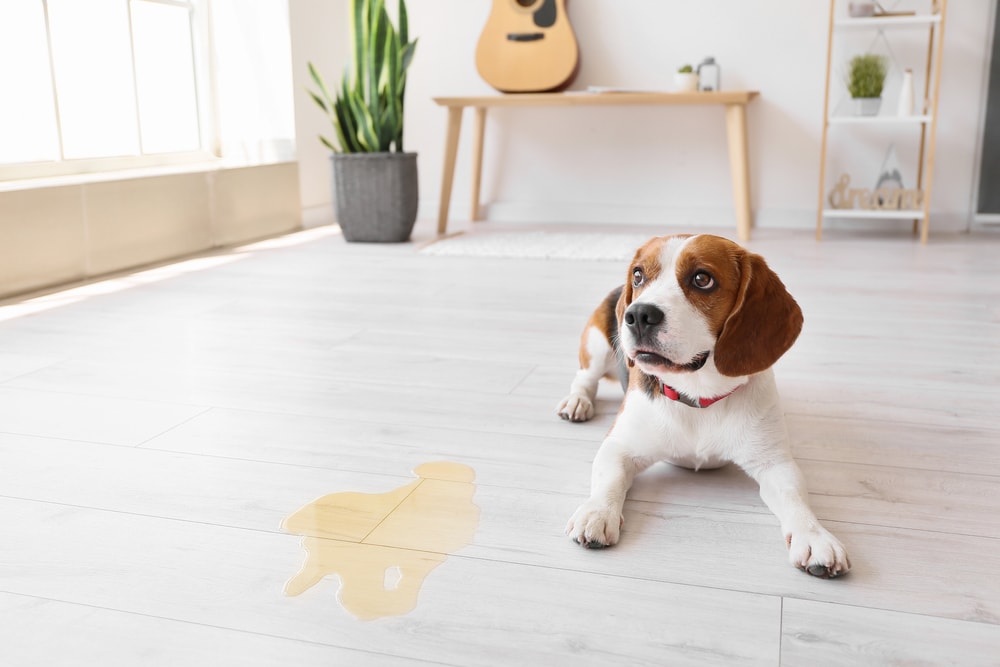
1. Urinary Tract Infection (Most Common)
Bacteria in the bladder cause:
-
Strong, foul, or fishy-smelling urine
-
Frequent urination
-
Straining or discomfort when peeing
-
Accidents in the house
UTIs are painful and won’t resolve without treatment.
2. Dehydration
Concentrated urine smells stronger.
-
Less water intake
-
Darker yellow urine
This often improves once hydration increases—but dehydration itself needs attention.
3. Diabetes
⚠️ A sweet or fruity smell can be a red flag.
-
High sugar spills into urine
-
Often paired with excessive thirst and urination
-
Weight loss despite eating
This requires prompt veterinary evaluation.
4. Kidney Disease
Kidney problems can cause:
-
Ammonia-like or chemical odor
-
Increased thirst and urination
-
Lethargy or appetite changes
Especially common in senior dogs.
5. Diet or Supplements
Some foods can temporarily alter urine smell:
-
Strong proteins
-
Certain supplements
This should resolve quickly and shouldn’t be persistent.
6. Bladder Stones or Crystals
Mineral buildup can lead to:
-
Strong urine odor
-
Blood in urine
-
Straining or frequent attempts to pee
Stones can become emergencies if they block urine flow.
When Strange-Smelling Pee Is a Red Flag
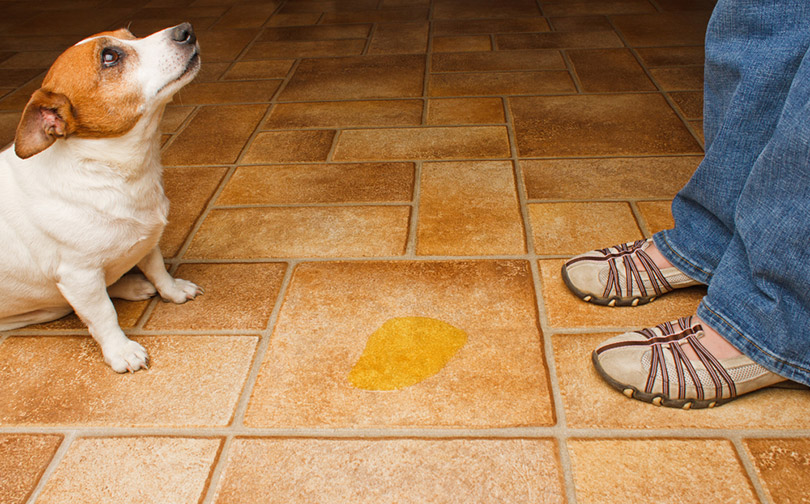
🚨 Contact your vet promptly if urine odor is paired with:
-
Straining or crying while peeing
-
Blood or cloudiness in urine
-
Frequent squatting with little output
-
Accidents in a house-trained dog
-
Excessive thirst
-
Lethargy or appetite loss
Urinary issues can worsen quickly if ignored.
What You Can Do Right Now
-
Encourage water intake (fresh bowls, add water to food)
-
Observe urine color and frequency
-
Do not restrict water
-
Collect a urine sample if possible
-
Schedule a vet visit if smell persists more than 24–48 hours
❌ Don’t give human medications
❌ Don’t wait weeks to see if it resolves
How Vets Diagnose Urine Odor Changes
Your veterinarian may:
-
Perform a urinalysis
-
Check for bacteria, glucose, crystals, or protein
-
Run blood tests (kidney function, diabetes)
-
Recommend imaging if stones are suspected
Early diagnosis often means simple treatment and quick relief.
Can This Be Treated Successfully?
Yes—most causes are very treatable:
-
UTIs: antibiotics
-
Dehydration: hydration support
-
Diabetes: diet and medication
-
Kidney disease: management and supportive care
The sooner treatment starts, the better the outcome.
Final Takeaway
If your dog’s pee smells strange, it’s rarely random. Changes in urine odor are one of the body’s early warning systems—especially for urinary, kidney, or metabolic problems.
🐾 Trust your nose. Acting early can prevent pain, infection, and long-term complications for your dog.