
If your dog vomits shortly after eating greasy or fatty food, this is a very common—but important—warning sign. While some dogs have sensitive stomachs, repeated vomiting after fatty meals can signal digestive intolerance or even pancreatitis, a potentially serious condition.
This article explains why fatty foods make dogs vomit, when it’s normal vs. dangerous, and what you should do to protect your dog’s health.
What Does Fatty-Food Vomiting Look Like?
You may notice:
-
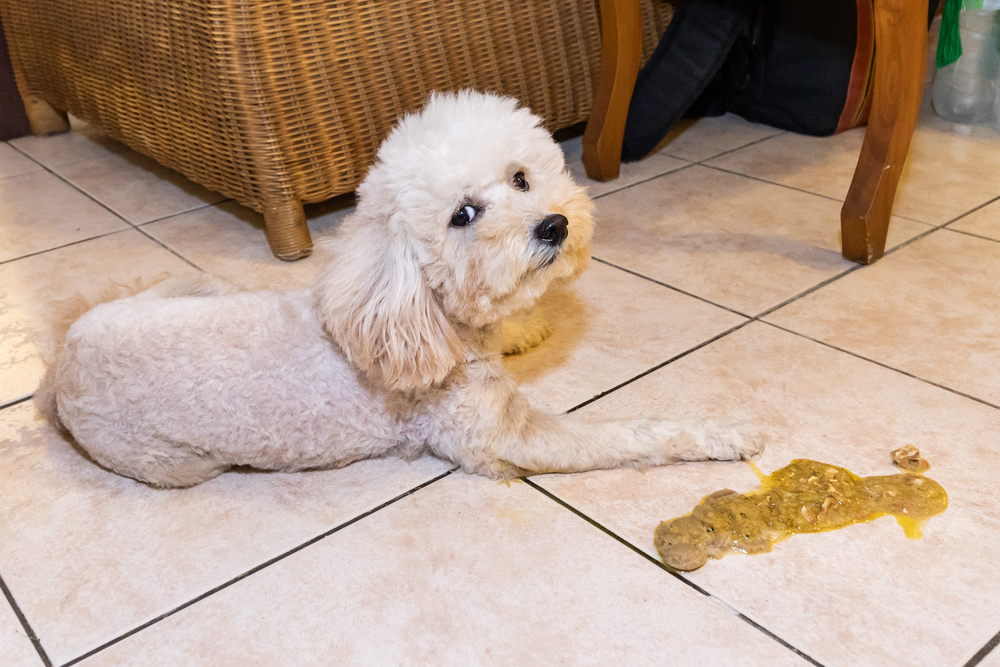
Vomiting within minutes to hours after eating
-
Undigested or partially digested food
-
Yellow bile mixed with food
-
Lethargy or refusal to eat afterward
-
Abdominal discomfort or hunching
👉 The key pattern: vomiting follows rich or greasy foods.
Why Fatty Foods Make Dogs Vomit
1. Fat Intolerance (Very Common)
Dogs aren’t built to digest heavy fats.
-
Table scraps
-
Fried foods
-
Fatty meats or skins
-
Rich treats
Even a small amount can overwhelm digestion.
2. Pancreatitis (Serious & Common Triggered by Fat)
⚠️ A major concern
-
The pancreas becomes inflamed
-
Fatty food is the most common trigger
Signs include:
-
Repeated vomiting
-
Abdominal pain
-
Lethargy
-
Loss of appetite
Pancreatitis can range from mild to life-threatening.
3. Sudden Diet Changes
Introducing rich foods abruptly can:
-
Shock the digestive system
-
Cause vomiting and diarrhea
Dogs need gradual transitions, even with treats.
4. Underlying Digestive Disease
Dogs with:
-
Inflammatory bowel disease (IBD)
-
Liver or gallbladder issues
are especially sensitive to fat.
5. Breed & Individual Sensitivity
Some dogs are more prone:
-
Miniature Schnauzers
-
Yorkshire Terriers
-
Overweight dogs
-
Senior dogs
But any dog can be affected.
When Vomiting After Fatty Food Is a Red Flag
🚨 Contact your vet immediately if your dog:
-
Vomits repeatedly
-
Refuses food or water
-
Seems very lethargic or weak
-
Cries or tenses when belly is touched
-
Has diarrhea (especially greasy or bloody)
-
Is a small breed or senior dog
Pancreatitis should never be managed at home without guidance.
What You Should Do Right Now
1. Stop All Fatty Foods
-
No table scraps
-
No rich treats
-
No people food
2. Offer a Bland Diet (If Vomiting Has Stopped)
For 24–48 hours:
-
Boiled chicken breast (no skin, no fat)
-
Plain white rice
Only if your vet has not advised fasting.
3. Keep Your Dog Hydrated
-
Small, frequent sips of water
-
Watch for dehydration
4. Monitor Closely
Track:
-
Frequency of vomiting
-
Energy level
-
Appetite
How Vets Diagnose Fat-Related Vomiting
Your veterinarian may:
-
Perform a physical exam
-
Run blood tests (pancreatic enzymes)
-
Check hydration and pain levels
-
Recommend imaging if pancreatitis is suspected
Early treatment greatly reduces complications.
Can Dogs Eat Fatty Foods Again?
Often, no—and that’s okay.
-
Many dogs need lifelong low-fat diets
-
Special prescription foods may be recommended
Preventing future episodes is far safer than treating repeated flares.
How to Prevent This in the Future
-
Stick to a low-fat dog food
-
Use low-fat treats only
-
Educate family and guests (no scraps!)
-
Be extra cautious during holidays
Final Takeaway
If your dog pukes after eating fatty food, it’s not just a weak stomach—it’s a clear digestive warning. Repeated episodes can lead to pancreatitis, pain, and emergency vet visits.
🐾 The safest choice is simple: keep your dog’s diet low in fat and take vomiting seriously.