
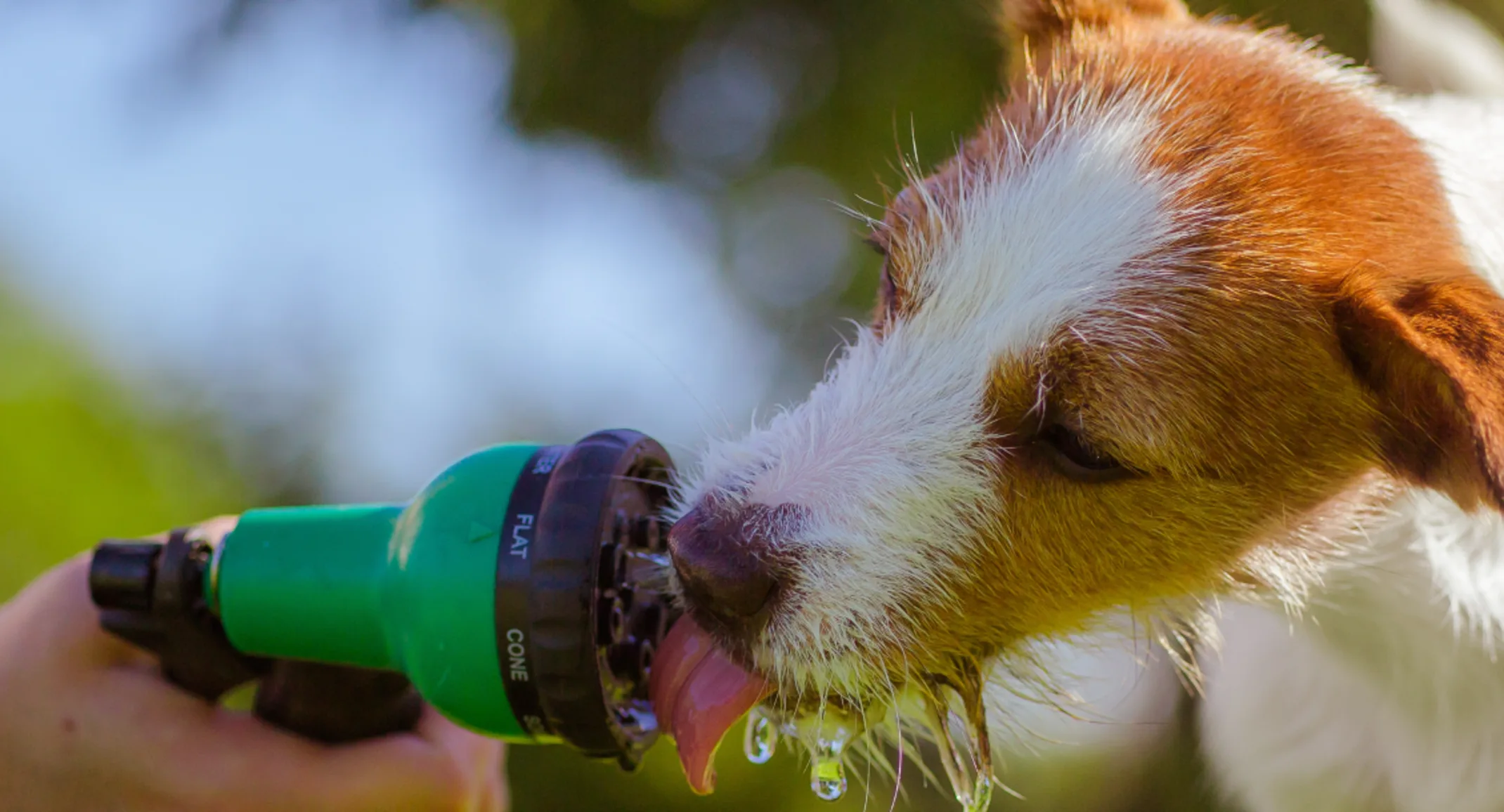
If your dog is constantly thirsty, empties the water bowl quickly, or asks to go outside far more often than usual, it’s natural to worry about diabetes—and you’re right to take this seriously. While hot weather or activity can increase thirst, persistent excessive drinking is often a sign of an underlying medical problem, and diabetes is one of the most common causes.
This article explains why dogs drink excessively, how diabetes fits in, what other conditions can cause it, and when to see the vet.
What Counts as “Too Much” Drinking?
You may notice your dog:
-
Drinking urgently or repeatedly
-
Emptying bowls multiple times a day
-
Urinating very frequently or having accidents
-
Waking up at night to drink or pee
-
Showing a clear change from their normal habits
👉 The key warning sign is a sustained change, not a single thirsty day.
Why a Dog Is Always Thirsty
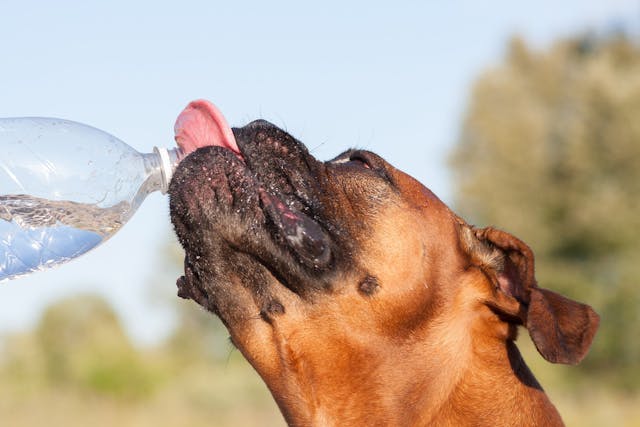
1. Diabetes Mellitus
⚠️ A top concern
-
High blood sugar pulls water into the urine
-
Leads to excessive thirst and urination
Often paired with:
-
Increased appetite with weight loss
-
Lethargy
-
Sweet or fruity-smelling breath
Diabetes requires prompt diagnosis and lifelong management.
2. Kidney Disease
Failing kidneys can’t concentrate urine.
-
Dogs lose more water in urine
-
Drink more to compensate
Common in senior dogs and often accompanied by appetite changes or nausea.
3. Cushing’s Disease (Hyperadrenocorticism)
Too much cortisol affects water balance.
-
Excessive thirst and urination
-
Panting
-
Pot-bellied appearance
-
Hair thinning or loss
4. Urinary Tract Infection
UTIs irritate the bladder.
-
Frequent urination
-
Straining
-
Strong-smelling urine
Dogs may drink more to relieve discomfort.
5. Medications
Some drugs increase thirst:
-
Steroids (prednisone)
-
Diuretics
-
Anti-seizure medications
Medication-related thirst should still be monitored.
6. Dehydration or Heat
Short-term causes include:
-
Hot weather
-
Increased exercise
These should resolve quickly once conditions normalize.
When Excessive Thirst Is a Red Flag
🚨 See your veterinarian promptly if your dog:
-
Drinks excessively every day
-
Urinates much more than usual
-
Loses weight despite eating well
-
Seems lethargic or weak
-
Has accidents in the house
-
Is a senior dog with sudden thirst changes
Persistent thirst almost always has a medical cause.
What You Should Do Right Now
-
Never restrict water (this can be dangerous)
-
Measure daily water intake for a few days
-
Note urination frequency and accidents
-
Watch appetite, weight, and energy levels
-
Schedule a vet visit for blood and urine tests
❌ Don’t assume it’s “just hot” if it continues
❌ Don’t delay testing
How Vets Diagnose Excessive Thirst
Your veterinarian may:
-
Run blood tests (glucose, kidney values)
-
Perform a urinalysis
-
Check for glucose in urine
-
Screen for endocrine disorders
-
Measure blood pressure
Early diagnosis leads to better long-term outcomes.
Can Dogs With Diabetes Live Normal Lives?
Yes—many dogs with diabetes live long, happy lives with:
-
Insulin therapy
-
Diet management
-
Regular monitoring
The key is early detection and consistent care.
Final Takeaway
If your dog is always thirsty, diabetes is a real possibility—but it’s not the only cause. What matters most is recognizing that persistent excessive thirst is never normal.
🐾 Trust the changes you notice. A simple vet visit can provide answers—and protect your dog’s health for years to come.