
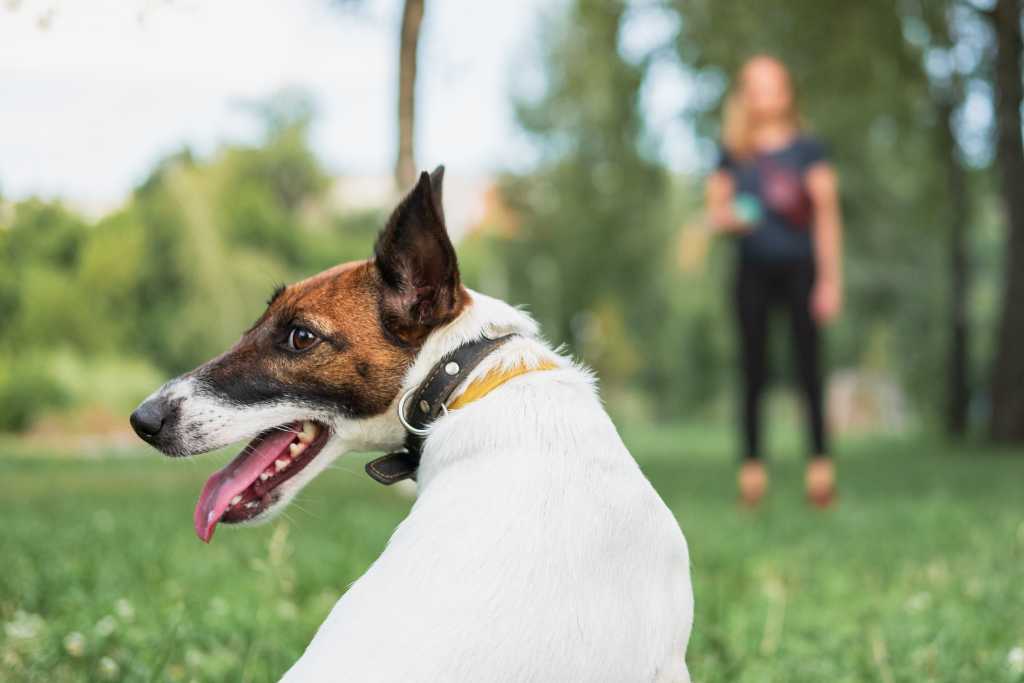
If your dog knows commands perfectly at home but suddenly “forgets everything” when excited, you’re not alone—and your dog isn’t being stubborn. This is one of the most common training challenges dog owners face. The issue isn’t intelligence or disobedience; it’s over-arousal and poor impulse control.
This article explains why dogs lose training when excited, how to tell normal excitement from a problem, and what you can do to fix it effectively.
What This Looks Like in Real Life
You may notice your dog:
-
Ignores “sit,” “stay,” or “come” when guests arrive
-
Listens indoors but not outside
-
Jumps, pulls, or spins when excited
-
Responds only after the excitement passes
-
Acts like they’ve never been trained before
👉 The key pattern: skills disappear only during high excitement.
Why Dogs Forget Training When Excited

1. Excitement Overrides the Thinking Brain
When arousal is high:
-
The emotional brain takes over
-
The thinking (learning) brain shuts down
Your dog literally can’t access trained behaviors in that moment.
2. Training Happened Only in Low-Distraction Settings
Dogs don’t automatically generalize.
-
“Sit” at home ≠ “sit” at the park
-
New sights, sounds, smells reset difficulty
Without practice in exciting environments, commands don’t transfer.
3. Poor Impulse Control
Impulse control is a skill—not a personality flaw.
-
Young dogs
-
High-energy breeds
-
Under-exercised dogs
These dogs struggle to pause before reacting.
4. Reinforcement History Favors Excitement
If excitement gets rewarded:
-
Jumping leads to attention
-
Pulling leads to forward movement
The dog learns that ignoring cues works better when excited.
5. Stress Disguised as Excitement
What looks like excitement may actually be:
-
Overwhelm
-
Anxiety
-
Frustration
Stress reduces learning just as much as excitement.
When This Is Normal vs. a Concern
✅ Normal
-
Puppies and adolescents
-
New environments
-
Rare high-arousal moments
🚨 Needs Attention
-
Happens every outing
-
Leads to unsafe behavior (bolting, jumping)
-
Gets worse with age
-
Dog cannot calm down at all
What You Can Do to Fix It
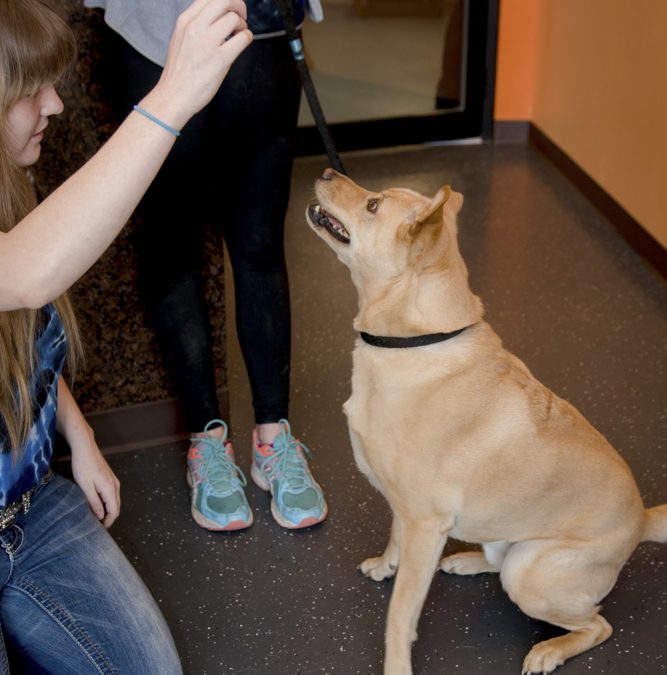
1. Train Below the Excitement Threshold
Start where your dog can still think.
-
Increase distance from triggers
-
Shorten sessions
-
Lower difficulty
Success builds calm.
2. Practice Commands in Gradual Distractions
Progress slowly:
-
Indoors
-
Backyard
-
Quiet street
-
Busy area
Don’t skip steps.
3. Teach Calm Before Fun
Make calm behavior the gateway.
-
Sit before greeting
-
Wait before door opens
-
Eye contact before play
Excitement becomes a reward, not a distraction.
4. Build Impulse Control Daily
Simple exercises:
-
“Wait” at doors
-
Food bowl pauses
-
“Place” or “settle” on a mat
Impulse control improves everything else.
5. Reward Heavily in High-Excitement Moments
Use:
-
Higher-value treats
-
Faster reward timing
-
Short success windows
Your dog needs stronger motivation than the environment.
6. Don’t Repeat Commands
Repeating teaches:
-
The first cue doesn’t matter
Say it once—help your dog succeed or reset.
What NOT to Do
❌ Scold for not listening
❌ Expect perfection during excitement
❌ Assume the dog is being defiant
❌ Train only when the dog is calm
Training must include real-life excitement.
Can Dogs Learn to Listen While Excited?
Absolutely—most dogs can improve dramatically with:
-
Consistent practice
-
Clear structure
-
Emotional regulation training
The goal isn’t removing excitement—it’s thinking through it.
Final Takeaway
If your dog forgets training when excited, it doesn’t mean the training failed—it means it hasn’t been practiced where it matters most. Excitement challenges self-control, not intelligence.
🐾 Train the brain to pause before reacting, and you’ll unlock reliable behavior—even in the most exciting moments.