
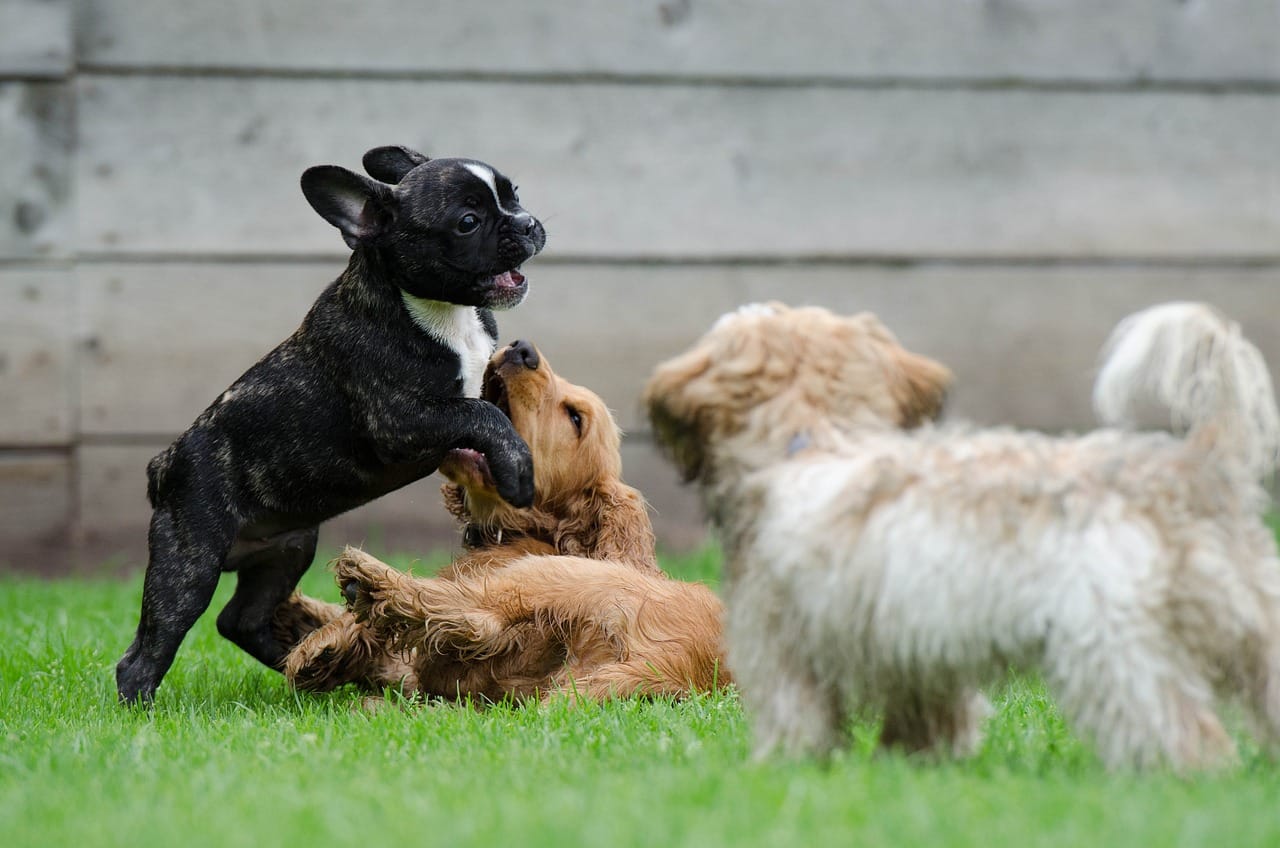
If your dog loses all self-control when meeting other dogs—pulling, jumping, barking, whining, or spinning—you’re not alone. This behavior is extremely common, especially in social, young, or high-energy dogs. The good news? Overexcitement is trainable. Your dog isn’t aggressive or “bad”; he’s over-aroused and lacking impulse control in social moments.
This article explains why dogs get overly excited around other dogs, how to tell excitement from reactivity, and what you can do to help your dog greet calmly.
What “Too Excited” Looks Like
You may notice your dog:
-
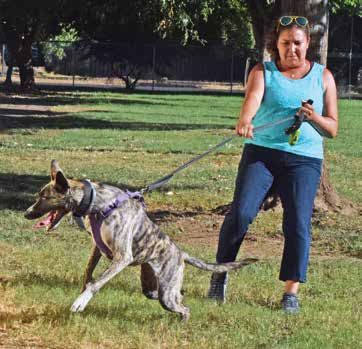
Pulling hard toward other dogs
-
Jumping, spinning, or play-bowing nonstop
-
Barking or whining from frustration
-
Ignoring commands they know well
-
Struggling to disengage once they see a dog
👉 The key sign: your dog wants to greet—but can’t control himself.
Why Dogs Get Overexcited When Meeting Other Dogs
1. Excitement Overrides the Thinking Brain
When your dog sees another dog:
-
Dopamine spikes
-
The emotional brain takes over
-
Learned behaviors (sit, stay, look) shut down
This is biology—not defiance.
2. Social Frustration (Very Common on Leash)
Leashes restrict natural greetings.
-
“I see a dog but can’t get there”
-
Frustration builds and explodes
This is often mistaken for aggression.
3. Poor Impulse Control
Impulse control is a learned skill.
-
Puppies and adolescents
-
High-energy or working breeds
-
Under-stimulated dogs
These dogs feel first and think later.
4. Reinforced Excitement
If excitement ever led to:
-
Getting to greet
-
Being allowed to pull closer
Your dog learned that over-arousal works.
5. Lack of Calm-Greeting Practice
Most dogs are either:
-
Allowed to greet wildly
-
Or prevented from greeting at all
Few are taught how to greet calmly.
Excitement vs. Reactivity — What’s the Difference?
✅ Excitement
-
Loose, bouncy body
-
Play bows, wiggling
-
Happy vocalizations
-
Wants to approach
🚨 Reactivity (Needs Extra Help)
-
Stiff body
-
Hard staring
-
Growling, snapping
-
Escalation over time
This article focuses on overexcitement, not aggression.
How to Help Your Dog Stay Calm Around Other Dogs
1. Train Below the Excitement Threshold
Start far enough away that your dog can still think.
-
Distance is your best tool
-
If your dog can’t take treats, you’re too close
Calm starts before the greeting.
2. Teach “Look at Me” Around Dogs
Reward:
-
Eye contact
-
Choosing you over the other dog
This builds a habit of checking in.
3. Make Calm the Gateway to Greeting
Only greet when your dog:
-
Has four paws on the ground
-
Can sit or stand calmly
If excitement spikes, greeting pauses.
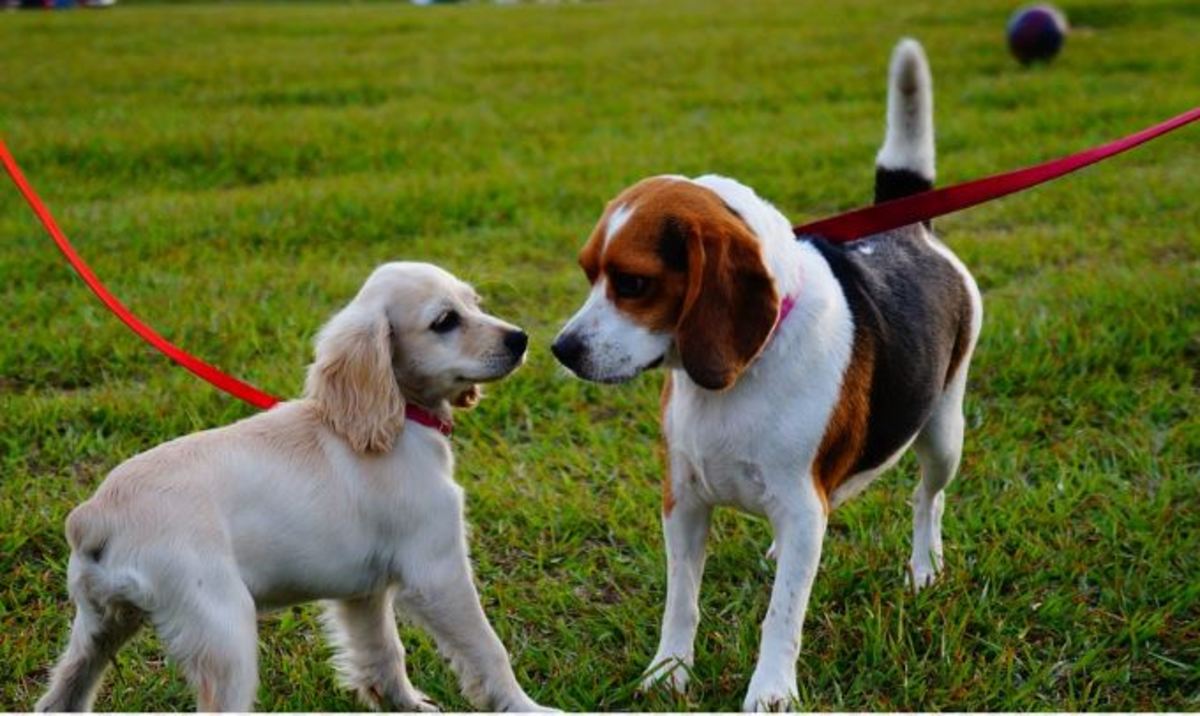
4. Practice Parallel Walking
Instead of face-to-face greetings:
-
Walk side-by-side at a distance
-
Gradually close the gap
This lowers pressure and arousal.
5. Use Better Rewards
Your reward must compete with dogs:
-
Fresh meat
-
Cheese
-
High-value treats reserved for dog encounters
Pay more for harder moments.
6. Keep Greetings Short
Long greetings = rising excitement.
-
2–3 seconds
-
Then move away
Short wins prevent blowups.
What NOT to Do
❌ Yank the leash
❌ Scold for excitement
❌ Force greetings
❌ Expect instant calm
❌ Let pulling lead to greetings
These increase frustration and intensity.
Can Dogs Learn Calm Greetings?
Yes—absolutely.
Most dogs improve dramatically with:
-
Consistent rules
-
Distance-based training
-
Calm reinforcement
The goal isn’t removing excitement—it’s adding self-control.
Final Takeaway
If your dog gets too excited meeting other dogs, it means he loves dogs—but hasn’t learned how to handle that emotion yet. Excitement is not a flaw; it’s energy without a brake.
🐾 Teach the pause before the party, and your dog will greet with confidence instead of chaos.