
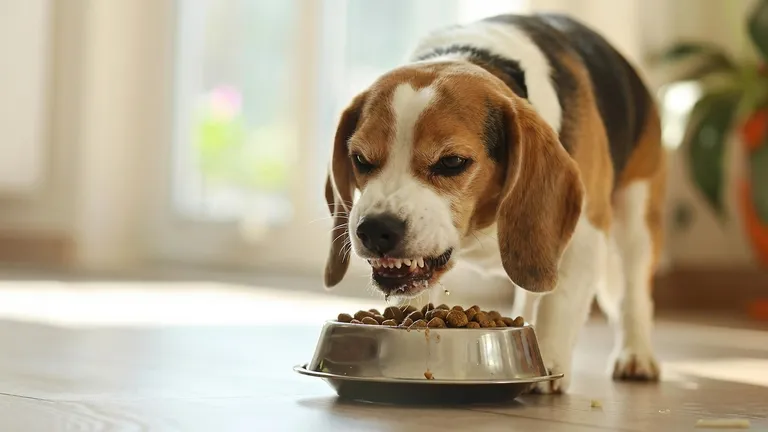
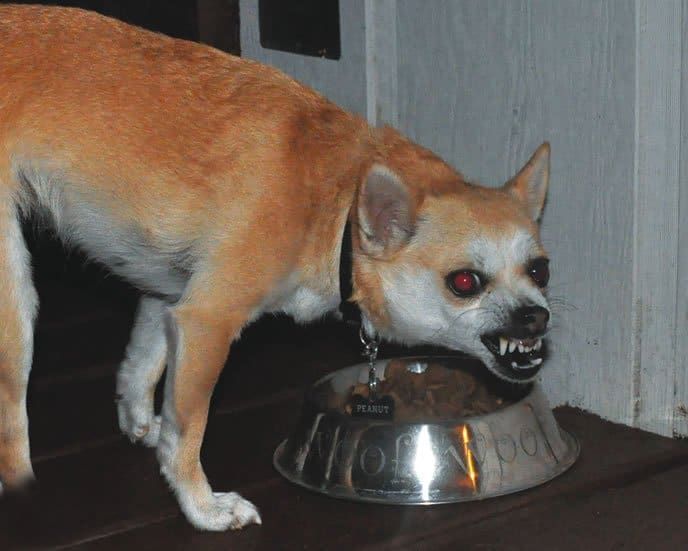
If your dog growls when you reach toward his food bowl, this is a classic sign of resource guarding. It can feel scary or confusing—but it’s important to know that growling is communication, not “bad behavior.” Your dog is saying, “I’m uncomfortable—please back off.”
Handled correctly, food guarding is very manageable. Handled incorrectly, it can escalate.
This article explains why dogs guard food, when it’s normal vs. dangerous, and how to address it safely.
What Food Guarding Looks Like
You may notice your dog:
-
Freezing or stiffening when you approach
-
Eating faster when someone is nearby
-
Lowering the head over the bowl
-
Showing the whites of the eyes (“whale eye”)
-
Growling, snarling, or snapping when touched
👉 Growling is a warning. It’s your dog asking for space before things get worse.
Why Dogs Growl Over Food

1. Resource Guarding (Most Common)
Dogs are wired to protect valuable resources.
-
Food is survival
-
Guarding is instinctive
This doesn’t mean your dog is dominant—it means he doesn’t feel safe yet.
2. Past Experiences
Dogs who:
-
Had to compete for food
-
Experienced scarcity
-
Were punished around food
are more likely to guard.
3. Anxiety or Insecurity
Guarding often increases when dogs feel unsure.
-
New homes
-
New people or pets
-
Changes in routine
4. Learned Behavior
If growling worked before:
-
People backed off
The dog learns: growling is effective communication.
Is This Normal or a Serious Problem?
✅ Common (and Fixable)
-
Mild growling
-
No snapping or biting
-
Guarding limited to food only
🚨 Higher Risk — Get Professional Help If
-
Snapping or biting has occurred
-
Guarding happens with people and dogs
-
Children are involved
-
Behavior is escalating
Safety always comes first.
What You Should NOT Do
❌ Don’t punish growling
❌ Don’t take the bowl away to “assert dominance”
❌ Don’t force touching while eating
❌ Don’t test or provoke the dog
Punishing warnings teaches dogs to skip the growl and bite without warning.
What You SHOULD Do Instead
1. Give Space During Meals
-
Let your dog eat in peace
-
Pick up the bowl after he finishes
Respect builds trust.
2. Build Positive Associations
From a safe distance:
-
Toss high-value treats toward the bowl
-
Walk away
Your presence predicts good things, not loss.
3. Teach “Trade,” Not “Take”
Practice outside mealtime:
-
Offer something better
-
Then gently take the item
Your dog learns giving things up is safe and rewarding.
4. Hand-Feed Occasionally (If Safe)
Only if your dog is relaxed:
-
Feed part of meals from your hand
-
Stop immediately if tension appears
This builds trust—but don’t force it.
5. Manage the Environment
-
Feed separately from other pets
-
Keep kids away during meals
-
Maintain a calm routine
Prevention stops escalation.
How Trainers & Vets Help With Food Guarding
A professional may:
-
Read subtle body language
-
Use desensitization and counterconditioning
-
Create a step-by-step safety plan
Severe cases improve dramatically with the right guidance.
Can Dogs Learn to Relax Around Food?
Yes—most dogs do, especially when:
-
Their warnings are respected
-
Training is calm and consistent
-
Trust is rebuilt over time
The goal isn’t touching food—it’s peace and safety.
Final Takeaway
If your dog growls when you touch his food, he’s not being mean—he’s communicating discomfort. Listening to that warning and responding correctly is what prevents bites and builds trust.
🐾 Respect the growl, teach safety, and you’ll create a calmer, more confident dog.