
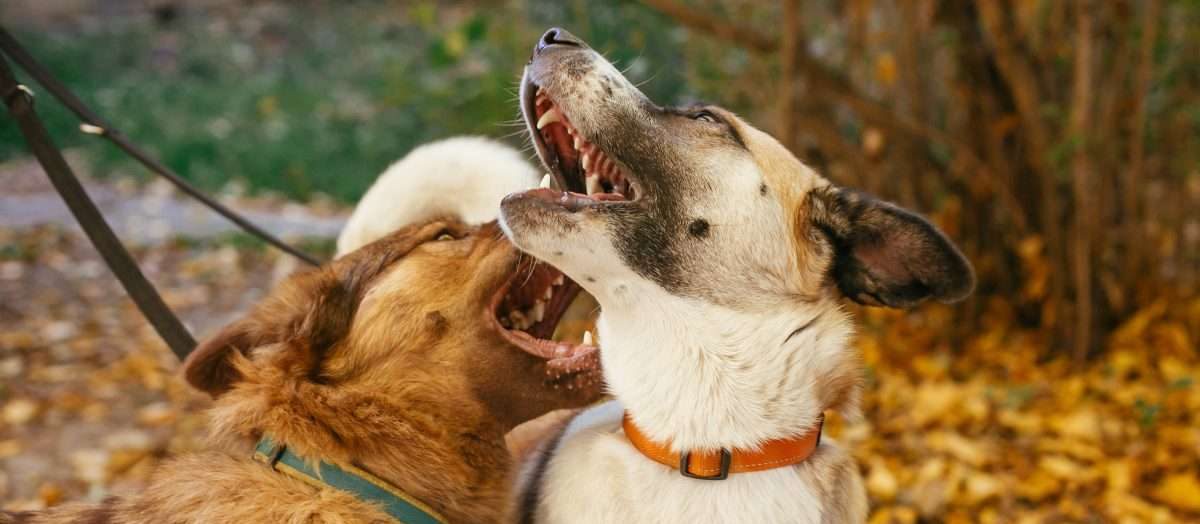
If your dog seems fine one moment and suddenly lunges, snaps, or attacks another dog, this is frightening—and serious. Sudden dog-on-dog aggression is not random, and it’s not because your dog is “bad” or “dominant.”
It usually means something pushed your dog past his threshold, physically or emotionally.
This article explains why dogs attack suddenly, how to recognize warning signs you might be missing, and what to do immediately to keep everyone safe.
What “Sudden” Attacks Usually Look Like
Owners often say:
-
“There was no warning”
-
“He was fine with dogs before”
-
“It happened out of nowhere”
In reality, many dogs show subtle signals that are easy to miss:
-
Freezing suddenly
-
Hard staring
-
Stiff tail or body
-
Closed mouth after panting
-
Ears pinned back or forward
👉 The attack looks sudden, but the stress built up silently.
Most Common Reasons Dogs Attack Other Dogs
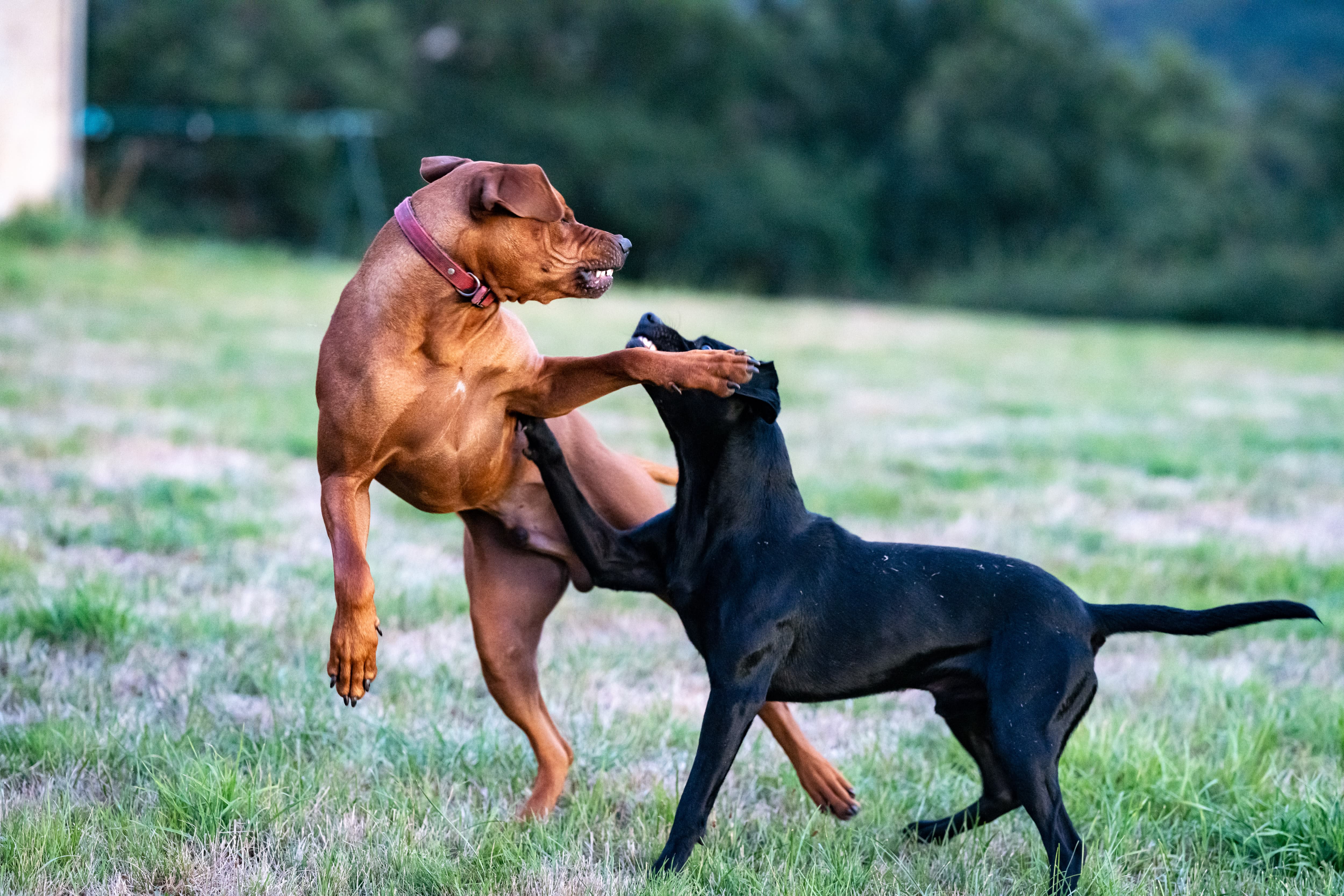
1. Fear-Based Aggression (Most Common)
Your dog may feel threatened.
-
Past bad experiences
-
Poor early socialization
-
Feeling trapped (especially on leash)
Fearful dogs often attack to make the threat go away.
2. Leash Reactivity
Leashes change behavior.
-
Dog can’t move away
-
Tension travels down the leash
-
Frustration explodes into aggression
Many dogs who fight on leash are fine off leash.
3. Pain or Medical Issues
⚠️ Extremely important.
Pain lowers tolerance.
-
Arthritis
-
Hip or spine pain
-
Ear infections
Dogs in pain may attack when another dog gets too close.
4. Over-Arousal (Excitement Turns Into Aggression)
Some dogs:
-
Get overly excited
-
Can’t regulate emotions
-
Flip from play to fight
This often looks “out of nowhere.”
5. Resource Guarding
Dogs may guard:
-
Owner
-
Toys
-
Food
-
Space
Another dog entering that space triggers aggression.
6. Maturity-Related Behavior Change
Many dogs change between:
-
1.5–3 years old
Social tolerance can decrease with maturity, even in previously friendly dogs.
When This Is an Emergency Situation
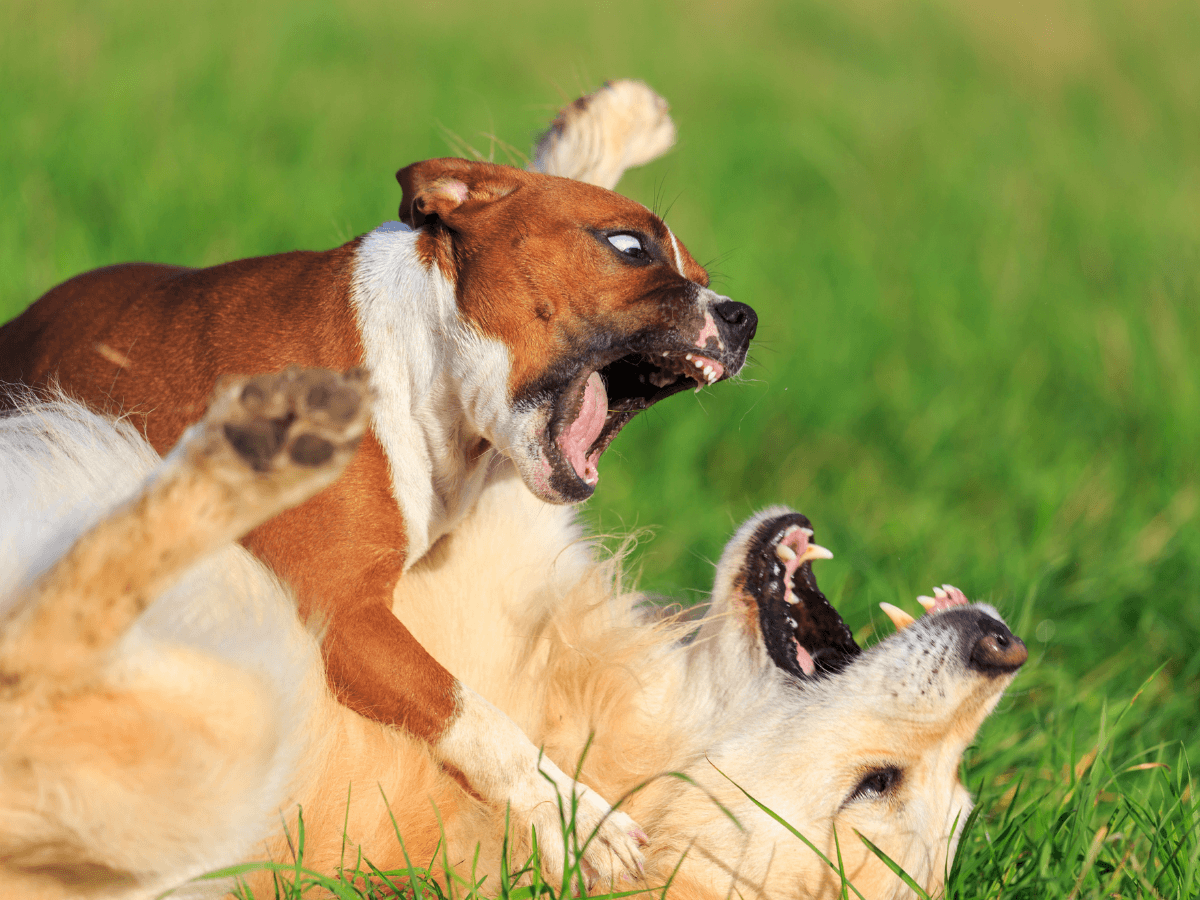
🚨 Seek professional help immediately if:
-
Your dog has bitten another dog
-
Attacks are increasing in intensity or frequency
-
You cannot interrupt safely
-
Children or small dogs are nearby
-
Your dog shows no warning signs at all
This is a safety issue, not a training inconvenience.
What You Should Do RIGHT NOW
1. Stop All Dog Greetings
-
No on-leash greetings
-
No dog parks
-
No “he’ll be fine” moments
Management prevents another incident.
2. Use Safety Tools
-
Well-fitted harness
-
Leash with control
-
Basket muzzle (properly introduced)
Muzzles are safety tools, not punishment.
3. Schedule a Vet Check
Rule out:
-
Pain
-
Hormonal issues
-
Neurological problems
Behavior changes always need a medical check first.
4. Work With a Qualified Professional
Look for:
-
Certified behaviorist
-
Trainer experienced in aggression
-
Force-free methods
Aggression should not be handled with punishment.
What NOT to Do
❌ Punish or scold aggression
❌ Alpha/dominance techniques
❌ Force socialization
❌ “Test” your dog around others
❌ Assume it will fix itself
These increase fear and make attacks more dangerous.
Can Dogs With Sudden Aggression Improve?
Yes—many dogs do with:
-
Proper management
-
Behavior modification
-
Medical support if needed
The goal isn’t making your dog love all dogs—it’s keeping everyone safe and reducing stress.
Final Takeaway
If your dog attacks other dogs suddenly, it’s not unpredictable chaos—it’s a warning that your dog is overwhelmed, afraid, or in pain. Ignoring it risks serious injury.
🐾 Safety first. Understanding second. Training third. That order saves lives—canine and human.