
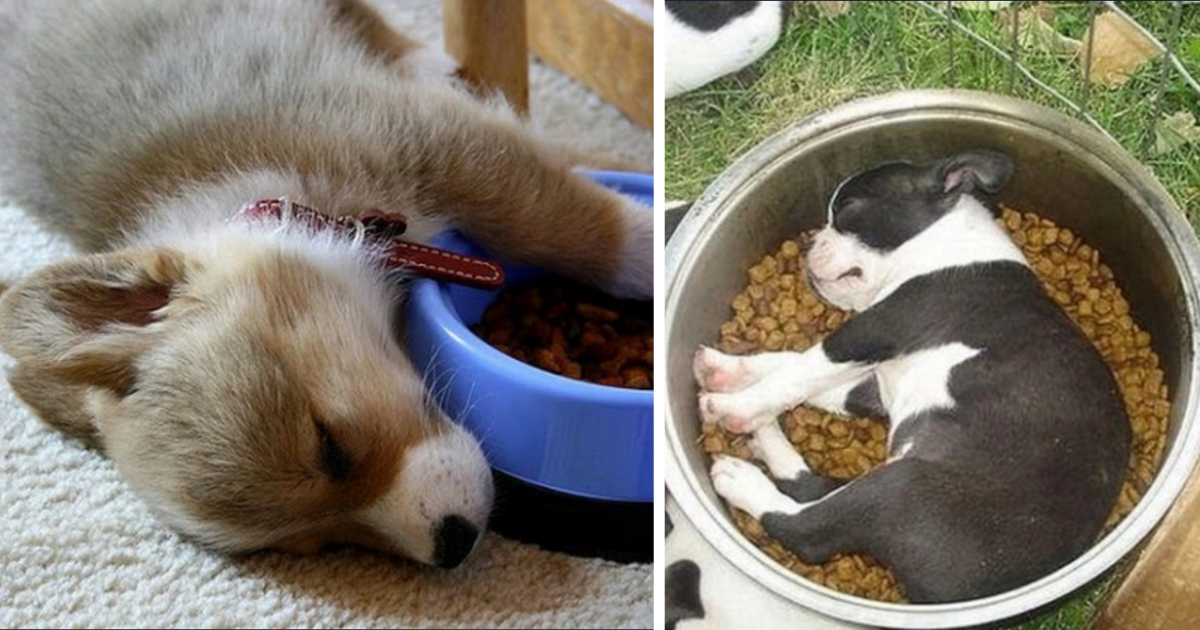
If your dog finishes a meal and then immediately goes to sleep, it’s often harmless—but not always. For many dogs, post-meal sleepiness is normal. However, when it happens suddenly, intensely, or alongside other symptoms, it can point to digestive, metabolic, or medical issues that deserve attention.
This article explains why dogs get sleepy after meals, when it’s normal, and when you should worry.
What This Behavior Usually Looks Like
You might notice your dog:
-
Eating, then lying down right away
-
Becoming noticeably sluggish after meals
-
Sleeping deeply within minutes
-
Skipping play or walks after eating
👉 Context matters: frequency, intensity, and recent changes are key.
Common (Normal) Reasons Dogs Sleep After Eating

1. Digestion Uses Energy
After eating, blood flow shifts toward the digestive system.
-
Body prioritizes digestion
-
Mild sleepiness is normal
This is especially common after large meals.
2. Full Belly = Relaxation
A satisfied dog often feels calm and secure.
-
Parasympathetic (“rest and digest”) response
-
Particularly normal in adult and senior dogs
3. Meal Timing
Dogs fed after:
-
Long walks
-
Training
-
Play sessions
may naturally rest once food replaces energy.
When Sleeping After Eating May Be a Problem

1. Overeating or Heavy Meals
Large or high-fat meals can cause:
-
Extreme sluggishness
-
Digestive strain
This can be uncomfortable and unhealthy long-term.
2. Blood Sugar Issues
⚠️ Important, especially in small breeds.
-
Rapid energy drop
-
Weakness or shaking
-
Excessive sleepiness
Can be linked to hypoglycemia or diabetes.
3. Pancreatitis or Digestive Disease
Post-meal fatigue paired with:
-
Vomiting
-
Abdominal pain
-
Refusal to eat later
needs veterinary evaluation.
4. Food Sensitivities or Allergies
Some dogs react to certain ingredients.
-
Lethargy
-
Itching
-
GI upset
5. Underlying Illness
Chronic diseases can worsen post-meal fatigue:
-
Liver disease
-
Kidney disease
-
Hormonal disorders
Red Flags to Watch For
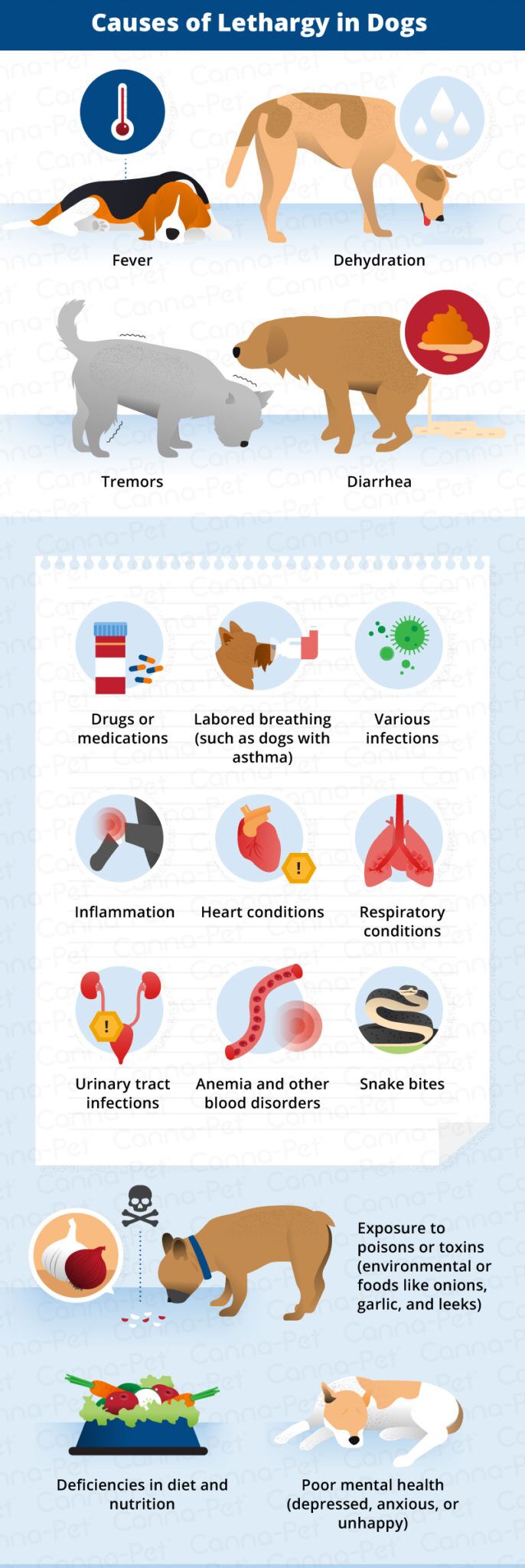


🚨 Call your vet if your dog:
-
Becomes extremely lethargic after meals
-
Has vomiting or diarrhea
-
Shows weakness, shaking, or collapse
-
Has pale or yellow gums
-
Suddenly changed eating/sleeping patterns
-
Is a puppy, senior, or small breed
What You Can Do Right Now
Adjust Meal Size & Frequency
-
Split meals into smaller portions
-
Avoid very high-fat foods
Observe Patterns
Track:
-
Time to sleep after meals
-
Energy level afterward
-
Any GI symptoms
Patterns help diagnosis.
Avoid Immediate Heavy Activity
-
Allow calm rest after eating
-
Prevent running to reduce GI risk
How Vets Evaluate Post-Meal Lethargy
Your veterinarian may:
-
Review diet and feeding schedule
-
Check blood sugar
-
Run blood work
-
Assess digestive health
Early evaluation prevents missed metabolic issues.
Final Takeaway
If your dog sleeps immediately after eating and otherwise acts normal, it’s usually safe. But sudden, extreme, or worsening post-meal sleepiness isn’t something to ignore.
🐾 Normal rest is calm and brief. Concerning fatigue feels heavy, sudden, or different. Trust what you notice.