
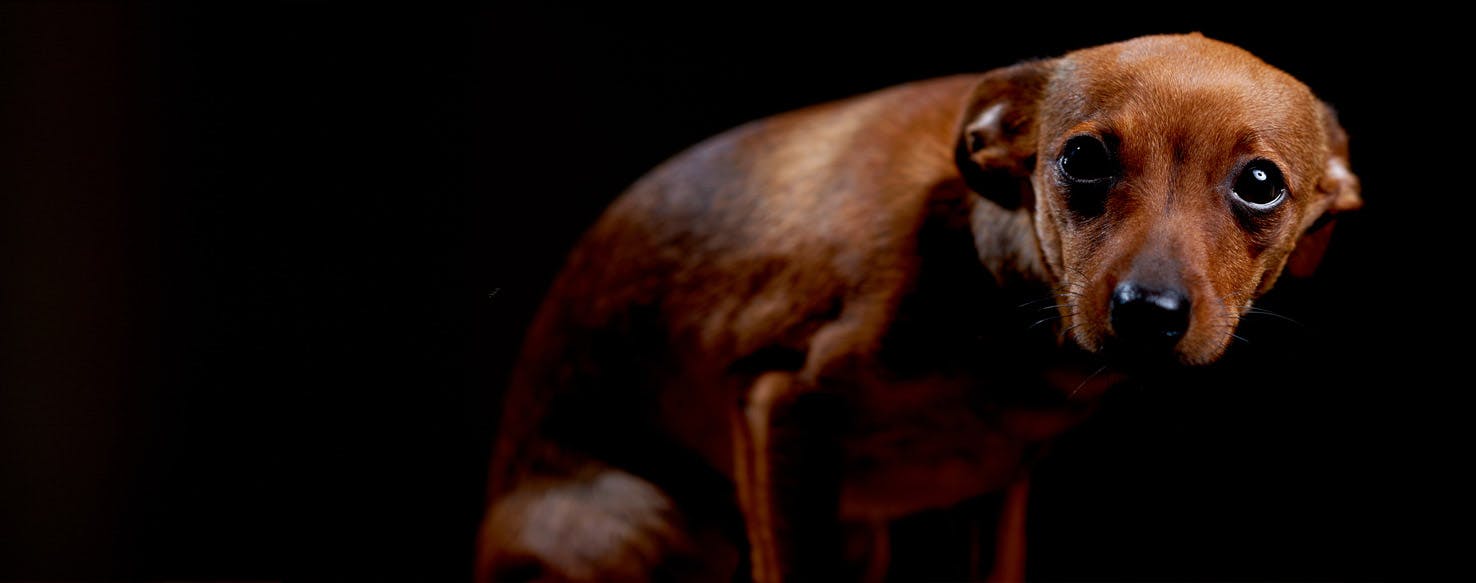
If your dog startles, barks, freezes, runs away, or panics at shadows—including his own, it can look bizarre or even funny at first. But persistent fear of shadows is usually a sign of anxiety, sensory overload, or a neurological/behavioral issue, not silliness.
This guide explains why dogs fear shadows, when it’s harmless vs. concerning, and how to help your dog feel safe again.
What Shadow Fear Looks Like
You might notice your dog:
-
Jumping or barking at moving shadows
-
Freezing and staring at the floor or wall
-
Chasing shadows frantically
-
Refusing to enter certain rooms or walk at certain times
-
Becoming anxious in bright light or near headlights
👉 The key pattern is fear or fixation triggered by light and movement.
Common Reasons Dogs Fear Shadows
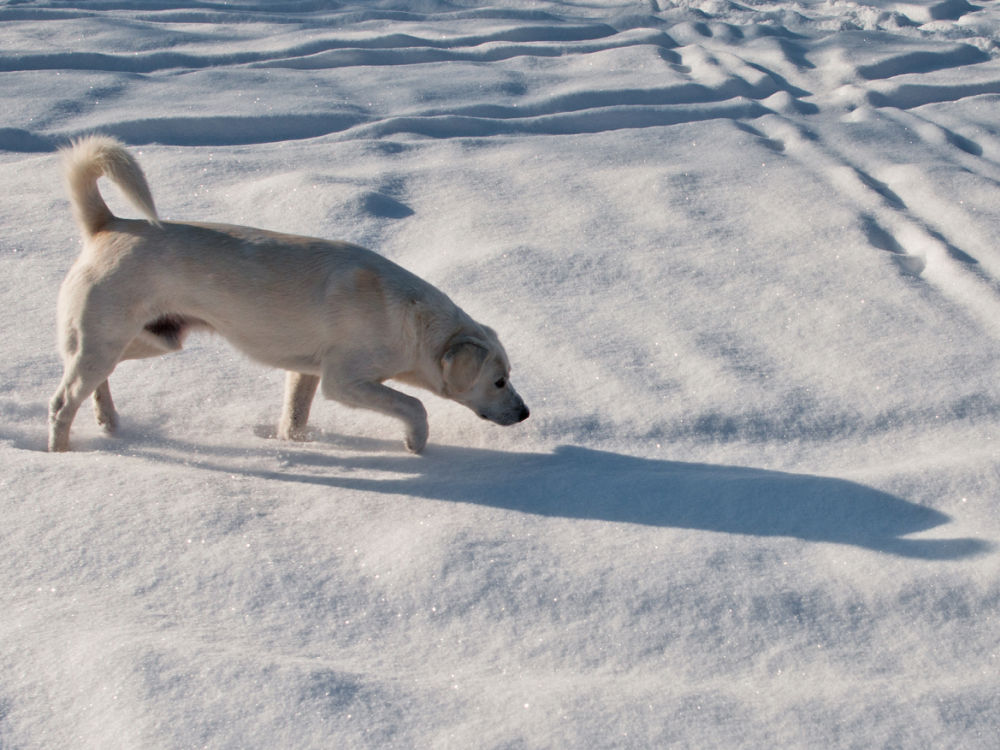
1. Anxiety or Heightened Arousal (Most Common)
Anxious dogs scan for threats.
-
Moving shadows feel unpredictable
-
Fear response kicks in fast
This often appears after a stressful event or routine change.
2. Compulsive Behavior (Shadow Chasing)
What starts as curiosity can become obsession.
-
Repetitive chasing
-
Difficulty disengaging
-
Escalates with stress
This is similar to OCD-like behaviors in dogs.
3. Vision or Sensory Changes
Dogs don’t see like humans.
-
Glare, contrast, and flicker can be confusing
-
Aging eyes or eye disease can worsen perception
Shadows may look like moving objects to your dog.
4. Neurological Issues (Less Common, More Serious)
⚠️ Important to rule out if sudden.
-
Seizure activity (focal seizures)
-
Brain inflammation or injury
Often paired with staring spells or odd behaviors.
5. Learned Fear
If your dog was startled once by:
-
A shadow + loud noise
-
A sudden movement
The brain may link shadows with danger.
When Shadow Fear Is a Red Flag

🚨 Contact your vet or a behavior professional if your dog:
-
Suddenly developed shadow fear
-
Fixates for long periods and can’t disengage
-
Loses interest in food or play
-
Paces, circles, or stares into space
-
Seems confused or disoriented
-
Is a senior dog with new behaviors
Sudden onset = medical check first.
What You Can Do Right Now
1. Reduce Triggers
-
Close blinds during peak light
-
Use soft, even lighting
-
Avoid shiny floors if possible
Less contrast = fewer triggers.
2. Don’t Reinforce the Fear
❌ Don’t point out shadows
❌ Don’t laugh or react dramatically
❌ Don’t chase the shadow with your dog
Stay calm and neutral.
3. Redirect Gently
-
Call your dog away before fixation escalates
-
Offer a calm activity (sniffing, chewing)
Sniffing helps lower arousal.
4. Increase Predictable Calm
-
Structured walks
-
Decompression sniff walks
-
Consistent routines
Calm nervous systems react less.
How Professionals Treat Shadow Fear
Depending on the cause:
-
Veterinary exam (vision, neurological screening)
-
Anxiety management
-
Behavior modification (desensitization)
-
Medication in severe compulsive cases
Early help prevents entrenched compulsions.
What NOT to Do
❌ Punish or scold
❌ Force exposure (“face your fear”)
❌ Use laser pointers (can worsen obsession)
These often intensify fixation.
Can Dogs Overcome Shadow Fear?
Yes—many dogs improve significantly, especially when:
-
Anxiety is reduced
-
Triggers are managed
-
Training is calm and gradual
The earlier you intervene, the better the outcome.
Final Takeaway
If your dog is afraid of his own shadow, it’s not funny or silly—it’s a sign that his brain is misinterpreting movement or threat. With patience, calm structure, and the right support, most dogs can relearn that shadows are harmless.
🐾 When fear looks strange, listen anyway. Your dog is telling you he’s overwhelmed—not misbehaving.