
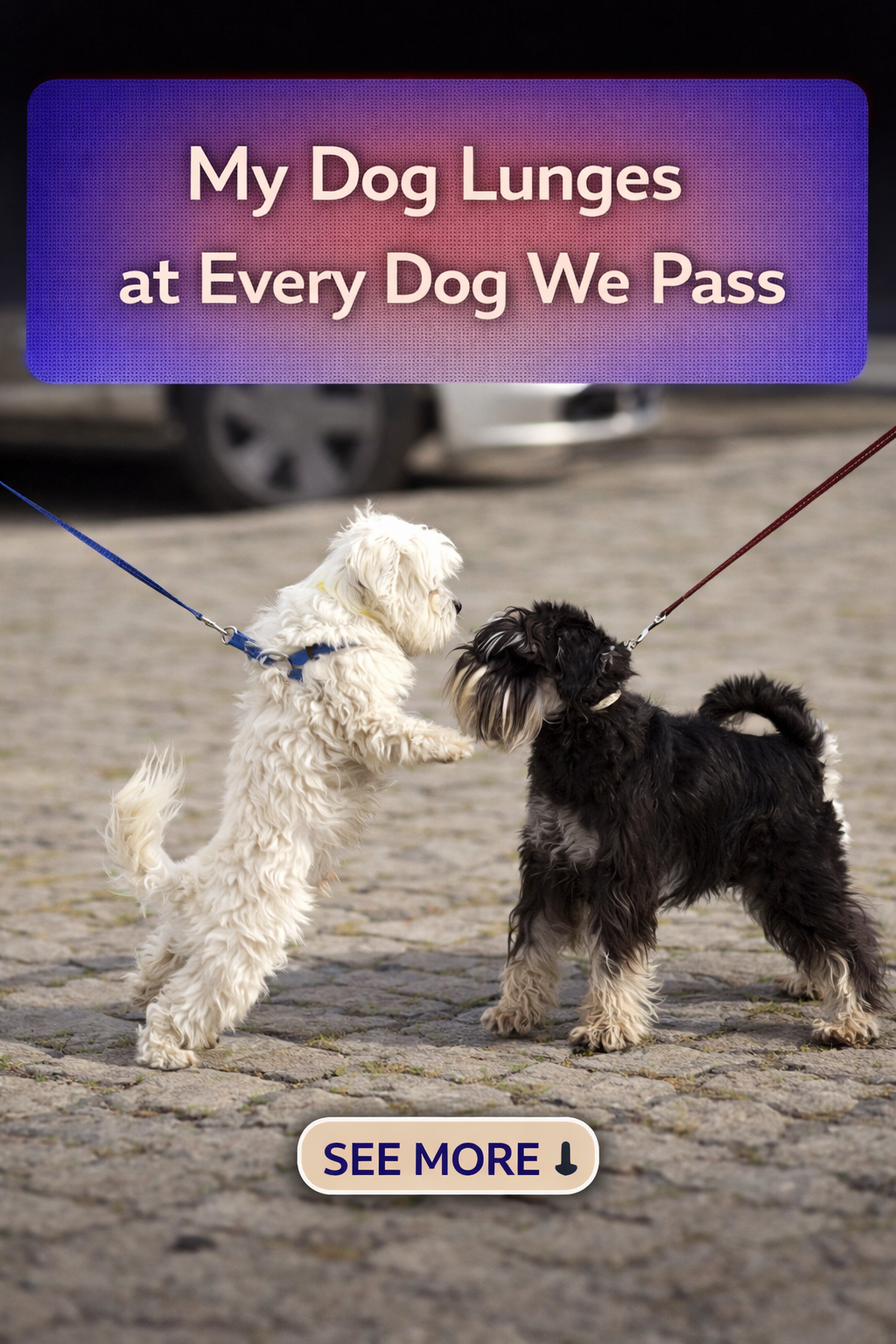
If your dog lunges, barks, growls, or explodes at every dog you pass on walks, you’re dealing with leash reactivity—one of the most common (and misunderstood) behavior issues in dogs.
This behavior is not dominance, not stubbornness, and not “bad temperament.” It’s usually driven by fear, frustration, or emotional overload, amplified by the leash.
The good news: this is very treatable with the right approach.
What This Behavior Looks Like
You might see your dog:
-
Pull hard toward or away from other dogs
-
Bark, snarl, or snap at the end of the leash
-
Freeze, then suddenly explode
-
Ignore treats and commands near dogs
-
Take a long time to calm down afterward
👉 The key pattern: the reaction happens on leash and around dogs—almost every time.
Why Dogs Lunge at Other Dogs on Walks
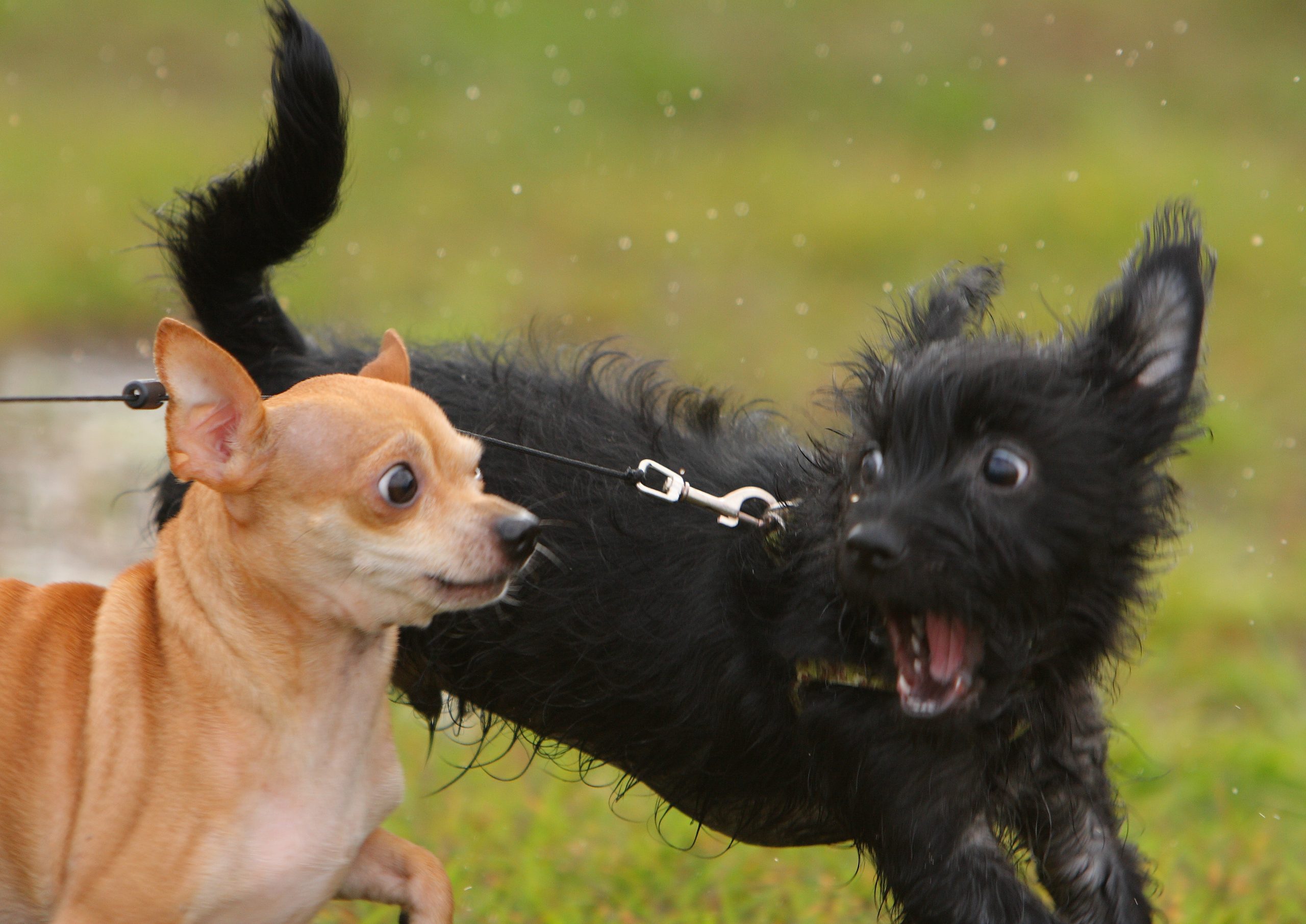
1. Fear-Basd Reactivity (Most Common)
Your dog isn’t trying to fight—he’s trying to create distance.
-
Other dogs feel unpredictable
-
The leash prevents escape
-
Lunging makes the threat go away
From your dog’s perspective, the behavior works.
2. Frustration (“I Want to Get There!”)
Some dogs are overly social.
-
They want to greet
-
The leash blocks access
-
Frustration turns into barking and lunging
This looks aggressive but often isn’t.
3. Poor or Incomplete Socialization
Dogs that didn’t learn calm dog-to-dog skills early:
-
Don’t know how to read or respond appropriately
-
Default to overreaction
4. Over-Arousal
Once excitement or fear crosses a threshold:
-
Thinking brain shuts off
-
Learned cues disappear
Your dog literally can’t respond in that moment.
5. Pain or Medical Issues
⚠️ Often missed.
Pain lowers tolerance.
-
Joint pain
-
Back or neck pain
-
Ear infections
Dogs in pain react faster and harder.
Signs Your Dog Is About to Lunge
Learning these helps you intervene early:
-
Body stiffens
-
Mouth closes suddenly
-
Hard staring
-
Weight shifts forward
-
Tail high or tucked
The lunge isn’t sudden—the stress builds silently.
What You Should Do Immediately (Safety First)
1. Increase Distance
Distance is your #1 tool.
-
Cross the street
-
Turn around early
-
Step behind a car or bush
More space = fewer reactions.
2. Stop All On-Leash Greetings
-
No “say hi” moments
-
No dog parks
-
No close passes
Forced proximity worsens reactivity.
3. Use Proper Equipment
-
Front-clip harness
-
Strong, fixed-length leash
-
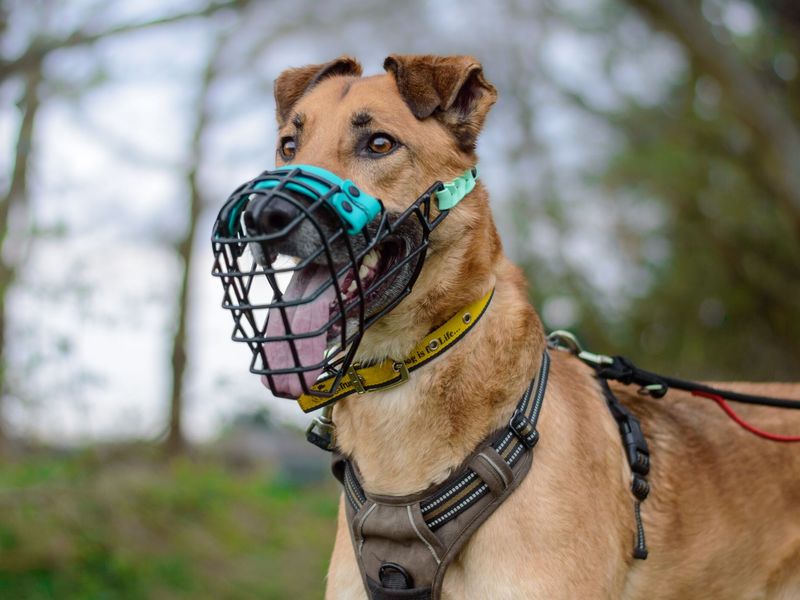
Consider a basket muzzle (introduced positively)
This is about safety, not punishment.
4. Rule Out Pain
Schedule a vet check to assess:
-
Joints and spine
-
Ears and teeth
Behavior changes always deserve a medical rule-out.
How Training Actually Fixes This (Overview)


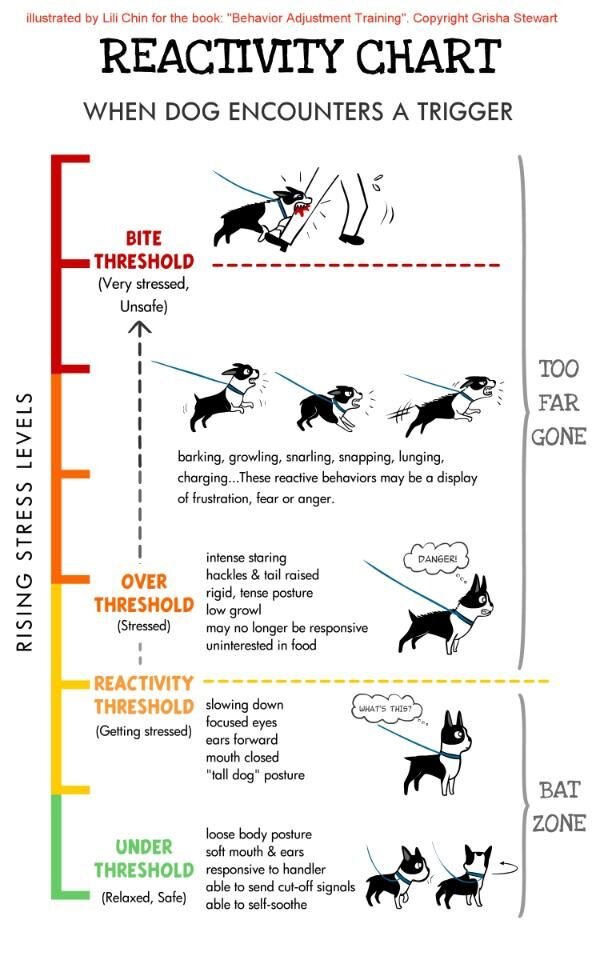
1. Work Below Threshold
Your dog must be far enough away to:
-
Take treats
-
Respond to you
If he’s lunging, you’re already too close.
2. Change the Emotional Response
Every time a dog appears at a safe distance:
-
Treat → treat → treat
-
Dog disappears → treats stop
Other dogs start predicting good things, not danger.
3. Teach Engagement
Reward:
-
Eye contact
-
Turning back to you
Attention comes before obedience.
4. Keep Walks Short and Strategic
-
Fewer dogs
-
Quieter routes
-
End before meltdown
Success builds confidence.
What NOT to Do
❌ Yell or punish
❌ Yank the leash
❌ Force proximity
❌ Use dominance methods
❌ “Flood” your dog with dogs
These increase fear and bite risk.
Can Dogs Stop Lunging at Every Dog?
Yes—many dogs improve dramatically with:
-
Distance-based training
-
Consistent management
-
Professional guidance
The goal isn’t loving every dog.
The goal is calm, neutral coexistence.
Final Takeaway
If your dog lunges at every dog you pass, he’s not choosing chaos—he’s overwhelmed. Leash reactivity is an emotional problem, not an obedience one.
🐾 Give your dog space, change how he feels about other dogs, and the behavior will follow.