
Are Texas gangs and organized crime groups now operating under the direction of Mexican cartels? One Texas lawman says yes.
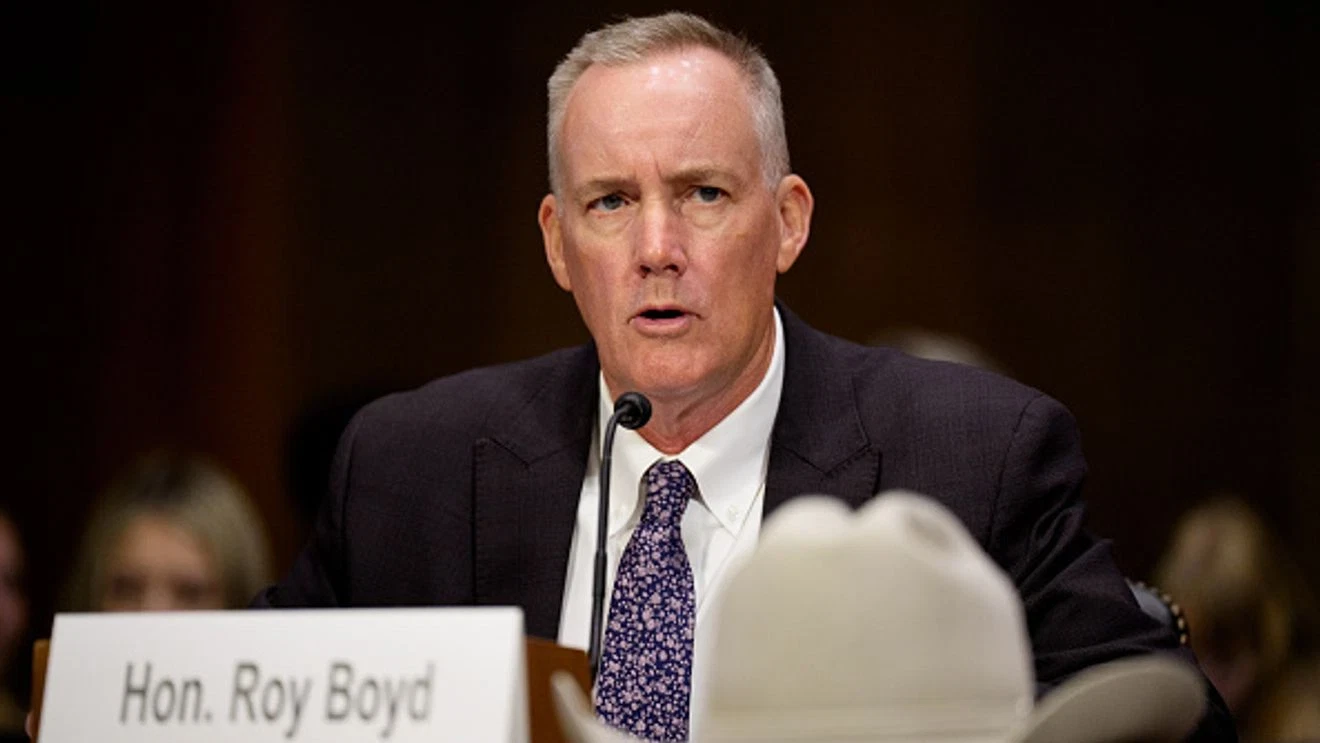
Goliad County Sheriff Roy Boyd testified before lawmakers in Washington, D.C., laying out what he described as cartel-controlled drug networks operating in Texas—particularly connected to the Gulf Cartel and distribution of cocaine.
In his testimony, Boyd said:
The cartels have replicated this Mexican government’s program with geographic control throughout the United States. The Gulf Cartel took control of the cocaine trade in Victoria and surrounding counties. They then leased the sole distribution rights for the dealing of pure cocaine to the Houston chapter of the Mexican Mafia.
During this time, we began to receive word that local cocaine dealers were disappearing at least 10 drug dealers had refused to dilute their product and had been disappeared never to be seen again.
Local law enforcement in larger metro areas offers a more cautious assessment. The Bexar County Sheriff’s Office in San Antonio confirms cartel-linked activity has surfaced in local drug busts and human-smuggling operations, but stopped short of calling it a cartel “takeover.”
The hearing was led by Sen. John Cornyn, who said more sessions on cartel activity and border issues are forthcoming. Sen. Alex Padilla, a Democrat from California, dismissed the event as “political theater.”
Texas officials on alert as New World screwworm cases reported near U.S.-Mexico border
Another case of New World screwworm, a flesh-eating parasite that spreads through a type of fly, has been detected in Nuevo León, Mexico, roughly 120 miles from the nearest Texas border crossing. The parasite, which lays eggs that hatch into larvae capable of consuming living tissue, presents a serious threat to livestock populations if left unchecked.
The U.S. Department of Agriculture recently launched a dedicated website to help track confirmed cases.
According to the latest map, more than 800 active animal cases are currently reported, most of them deeper in Mexico. However, the northernmost cluster, including the case near the border, is prompting heightened concern from U.S. officials and ranchers.
The most effective tool for elimination and prevention continues to be the use of sterile fly facilities, where scientists render the flies unable to reproduce the destructive larvae.
A new sterilization facility is opening in northeastern Mexico, aimed directly at reducing cases in the Nuevo León region. Another long-running operation in Panama continues to support eradication efforts across Central America, while proposed U.S. facilities—including a new one at Moore Air Base in Texas—could launch as early as 2026.
Federal officials stress the risk to humans is extremely low. As stated in a recent FDA podcast:
There is no risk that screwworm will cause a pandemic or epidemic in humans. No one is worried about that.
It would obviously start with a small wound or infection that would then continue to grow. So if this were on a human, you’d quickly notice a wound or something. But on an animal, it can go unnoticed. So this is really about protecting livestock so that people can know that the system is working.
Border Signs Controversy: Mexican Marines Remove Warnings Near Playa Bagdad
New video has surfaced showing Mexican Marines removing warning signs near Playa Bagdad, a beach and fishing community just south of the Rio Grande. Some Mexican officials claim the signs resembled notices posted by U.S. military personnel in designated border defense zones—leading to diplomatic questions about who installed them and why.
Mexican President Claudia Sheinbaum commented that her government asked both the U.S. Consulate and the U.S. Embassy about the signs. Initially, both denied involvement. Sheinbaum says a U.S. office later acknowledged hiring a contractor to place the signs, arguing that shifting river sediment makes it necessary to periodically clarify boundary markers under international treaty requirements.